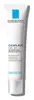
This barrier-repair moisturizer is formulated around Panthenol and Madecassoside to strengthen the skin barrier and calm redness.


What's inside
What's inside
 Key Ingredients
Benefits
Concerns
Ingredients Side-by-side
Calcium Sodium Borosilicate
Talc
Abrasive
Diisostearyl Malate
EmollientCaprylic/Capric Triglyceride
Masking


Mica
Cosmetic ColorantHydrogenated Castor Oil Hydroxystearate
Skin Conditioning
Silica
Abrasive

1,2-Hexanediol
Skin Conditioning
Caprylyl Glycol
Emollient
Tin Oxide
Abrasive
Chlorphenesin
Antimicrobial
Potassium Sorbate
Preservative
Tetrasodium EDTA
ChelatingCI 77891
Cosmetic ColorantCI 75470
Cosmetic ColorantCI 45410
Cosmetic ColorantOctyldodecanol
Emollient
Polyglyceryl-3 Diisostearate
Emulsifying




Polyethylene
Abrasive
Cera Microcristallina
Emulsion StabilisingHydrogenated Microcrystalline Wax
Emulsion StabilisingSynthetic Wax
Abrasive
Pentaerythrityl Tetra-Di-T-Butyl Hydroxyhydrocinnamate
Antioxidant
CI 77491
Cosmetic ColorantOctyldodecyl Stearoyl Stearate
Emollient
Ethylhexylglycerin
Skin ConditioningCI 73360
Cosmetic ColorantCI 19140
Cosmetic ColorantCI 15850
Cosmetic ColorantSynthetic Fluorphlogopite
Hdi/Trimethylol Hexyllactone Crosspolymer
Phenyl Trimethicone
Skin Conditioning
Sorbitan Isostearate
Emulsifying
Polyglyceryl-4 Caprate
EmulsifyingPEG-12 Dimethicone
Skin Conditioning
Polyglyceryl-3 Polyricinoleate
Emulsifying
Glycerin
Humectant
Hydrogenated Lecithin
Emulsifying
Polysorbate 20
Emulsifying
Carrageenan
Xanthan Gum
EmulsifyingDicalcium Phosphate
Abrasive
Calcium Sodium Borosilicate, Talc, Diisostearyl Malate, Caprylic/Capric Triglyceride, Mica, Hydrogenated Castor Oil Hydroxystearate, Silica, 1,2-Hexanediol, Caprylyl Glycol, Tin Oxide, Chlorphenesin, Potassium Sorbate, Tetrasodium EDTA, CI 77891, CI 75470, CI 45410, Octyldodecanol, Polyglyceryl-3 Diisostearate, Polyethylene, Cera Microcristallina, Hydrogenated Microcrystalline Wax, Synthetic Wax, Pentaerythrityl Tetra-Di-T-Butyl Hydroxyhydrocinnamate, CI 77491, Octyldodecyl Stearoyl Stearate, Ethylhexylglycerin, CI 73360, CI 19140, CI 15850, Synthetic Fluorphlogopite, Hdi/Trimethylol Hexyllactone Crosspolymer, Phenyl Trimethicone, Sorbitan Isostearate, Polyglyceryl-4 Caprate, PEG-12 Dimethicone, Polyglyceryl-3 Polyricinoleate, Glycerin, Hydrogenated Lecithin, Polysorbate 20, Carrageenan, Xanthan Gum, Dicalcium Phosphate
Glycerin 21%
Humectant
Water
Skin ConditioningDimethicone
Emollient
Panthenol
Skin Conditioning

Pentylene Glycol
Skin Conditioning
C30-45 Alkyl Dimethicone
Skin Conditioning
Polybutene
Sodium Citrate
BufferingPEG/PPG-18/18 Dimethicone
Emulsifying
Citric Acid
Buffering

Dimethiconol
Emollient
Polysorbate 20
Emulsifying
Madecassoside
Antioxidant

Caprylyl Glycol
Emollient
Sodium Hyaluronate
Humectant
Zinc Gluconate
Skin Conditioning

Copper Gluconate
Skin Conditioning
Manganese Gluconate
Skin ConditioningTocopherol
Antioxidant

Glycerin 21%, Water, Dimethicone, Panthenol, Pentylene Glycol, C30-45 Alkyl Dimethicone, Polybutene, Sodium Citrate, PEG/PPG-18/18 Dimethicone, Citric Acid, Dimethiconol, Polysorbate 20, Madecassoside, Caprylyl Glycol, Sodium Hyaluronate, Zinc Gluconate, Copper Gluconate, Manganese Gluconate, Tocopherol
Reviews
Ingredients Explained
These ingredients are found in both products.
Ingredients higher up in an ingredient list are typically present in a larger amount.
Caprylyl Glycol is a humectant, skin conditioner, emollient, and preservative booster derived from either caprylic acid or synthetically created.
Typical use levels vary from 0.3-1% as a preservative booster and go up to 2% to condition skin.
Because it is not a free-fatty acid, this ingredient is fungal acne safe (there's nothing for Malassezia to feed on).
Learn more about Caprylyl GlycolGlycerin (or glycerol) is a compound naturally found in your skin. It's a powerhouse humectant that pulls water into the stratum corneum.
Topically, glycerin does several things at once:
Your skin makes glycerin on its own (mostly from sebaceous oil breakdown) and shuttles it to your outermost layer of skin, or your epidermis, via aquaporin-3.
Aquaporin-3 is a transporter that is essential for normal skin hydration, elasticity, and repair. Interestingly, mice lacking in AQP3 have dry and less elastic skin that can be fully corrected with glycerin.
This ingredient is non-irritating, plays well with almost every ingredient, and works across all skin types. Typical use is anywhere between 3-10% but can go up to 79% in some leave-on products.
Just know very high concentrations (>40%) can feel tacky in low humidity.
Glycerin is the name for this ingredient in American English. British English uses Glycerol/Glycerine.
Learn more about GlycerinPolysorbate 20 is a gentle, water-soluble emulsifier and mild surfactant. It stops oil and water from separating to keep your formulas blended and stable.
It also acts as a mild penetration enhancer by helping active ingredients absorb slightly better.
The common safety discussion around this ingredient involves a manufacturing byproduct called 1,4-dioxane.
Trace amounts can form during production but the EU's Scientific Committee on Consumer Safety has concluded that levels at/below 10 ppm in finished products are safe (commercial products consistently fall within acceptable margins).
True allergic reactions are uncommon and the CIR Expert Panel has confirmed this ingredient to be safe as used in cosmetics.
Because it is derived from lauric acid, it may not be fungal acne safe.
Learn more about Polysorbate 20

