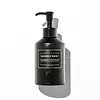
This mild cream cleanser is mild enough to cleanse without leaving skin feeling tight or stripped.
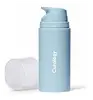
This salicylic acid gel cleanser is formulated around Salicylic Acid to clear breakouts and unclog pores.

What's inside
What's inside
 Key Ingredients
Benefits
Concerns
Ingredients Side-by-side
Water
Skin ConditioningSodium Cocoyl Isethionate
Cleansing
Acrylates Copolymer
Kaolin
Abrasive



Coco-Glucoside
Cleansing
Stearic Acid
Cleansing



Cetearyl Alcohol
Emollient


Propanediol
Solvent
Xylitylglucoside
Humectant
Hematite Extract
Skin ProtectingStearyl Alcohol
Emollient
Panthenol
Skin Conditioning


Terminalia Ferdinandiana Fruit Extract
Antioxidant
Avena Sativa Kernel Extract
Abrasive
Rubus Occidentalis Seed Oil
Emollient
Ribes Nigrum Seed Oil
Emollient
Nigella Sativa Seed Extract
Perfuming
Hydrolyzed Pearl
Skin ConditioningCycnoches Cooperi Extract
Antioxidant
Charcoal Powder
Abrasive
Saccharomyces/Xylinum/Black Tea Ferment
Skin Conditioning
Citric Acid
Buffering

1,2-Hexanediol
Skin Conditioning
PEG-150 Pentaerythrityl Tetrastearate
Emulsifying
Xylitol
Humectant
Glycerin
Humectant
Parfum
Masking

Sodium Hydroxide
BufferingDisodium EDTA
ChelatingXanthan Gum
EmulsifyingAnhydroxylitol
Humectant
Limnanthes Alba Seed Oil
Skin Conditioning
Caprylhydroxamic Acid
ChelatingMentha Piperita Oil
Masking


Glucose
Humectant
Potassium Sorbate
Preservative
Sodium Benzoate
Masking
Sorbic Acid
Preservative
Water, Sodium Cocoyl Isethionate, Acrylates Copolymer, Kaolin, Coco-Glucoside, Stearic Acid, Cetearyl Alcohol, Propanediol, Xylitylglucoside, Hematite Extract, Stearyl Alcohol, Panthenol, Terminalia Ferdinandiana Fruit Extract, Avena Sativa Kernel Extract, Rubus Occidentalis Seed Oil, Ribes Nigrum Seed Oil, Nigella Sativa Seed Extract, Hydrolyzed Pearl, Cycnoches Cooperi Extract, Charcoal Powder, Saccharomyces/Xylinum/Black Tea Ferment, Citric Acid, 1,2-Hexanediol, PEG-150 Pentaerythrityl Tetrastearate, Xylitol, Glycerin, Parfum, Sodium Hydroxide, Disodium EDTA, Xanthan Gum, Anhydroxylitol, Limnanthes Alba Seed Oil, Caprylhydroxamic Acid, Mentha Piperita Oil, Glucose, Potassium Sorbate, Sodium Benzoate, Sorbic Acid
Sodium Sulfacetamide 10%
Zinc Pyrithione 0.5%
Antiseborrhoeic
Salicylic Acid 1%
Masking

Water
Skin ConditioningSodium Cocoyl Isethionate
Cleansing
Cocamidopropyl Hydroxysultaine
Cleansing
Acrylates Copolymer
Propanediol
Solvent
Xylitylglucoside
Humectant
Coconut Alcohol
Emollient
Coco-Glucoside
Cleansing
Anhydroxylitol
Humectant
Stearic Acid
Cleansing
1,2-Hexanediol
Skin Conditioning
Panthenol
Skin Conditioning
Sodium Hydroxide
BufferingXylitol
Humectant
PEG-150 Pentaerythrityl Tetrastearate
Emulsifying
Stearyl Alcohol
Emollient
Glycerin
Humectant
Citric Acid
Buffering
Sodium Chloride
MaskingSodium Isethionate
CleansingCaprylhydroxamic Acid
ChelatingXanthan Gum
EmulsifyingGlucose
Humectant
Potassium Sorbate
Preservative
Avena Sativa Kernel Extract
Abrasive
Sodium Sulfacetamide 10%, Zinc Pyrithione 0.5%, Salicylic Acid 1%, Water, Sodium Cocoyl Isethionate, Cocamidopropyl Hydroxysultaine, Acrylates Copolymer, Propanediol, Xylitylglucoside, Coconut Alcohol, Coco-Glucoside, Anhydroxylitol, Stearic Acid, 1,2-Hexanediol, Panthenol, Sodium Hydroxide, Xylitol, PEG-150 Pentaerythrityl Tetrastearate, Stearyl Alcohol, Glycerin, Citric Acid, Sodium Chloride, Sodium Isethionate, Caprylhydroxamic Acid, Xanthan Gum, Glucose, Potassium Sorbate, Avena Sativa Kernel Extract
Reviews
Ingredients Explained
These ingredients are found in both products.
Ingredients higher up in an ingredient list are typically present in a larger amount.
1,2-Hexanediol is a synthetic liquid and another multi-functional powerhouse.
It is a:
- Humectant, drawing moisture into the skin
- Emollient, helping to soften skin
- Solvent, dispersing and stabilizing formulas
- Preservative booster, enhancing the antimicrobial activity of other preservatives
Acrylates Copolymer is used as a film-forming agent and texture enhancer.
After applied, Acrylates Copolymer forms a thin film cover that helps skin feel more soft. It can help sunscreens become more water-resistant.
It is also used to make a product more thick.
Learn more about Acrylates CopolymerThis ingredient is created from dehydrating xylitol in acidic conditions. Xylitol is a famous sugar and humectant.
Much like its predecessor, anhydroxylitol is a humectant. Humectants attract and hold water to moisturize the skin.
This ingredient is most commonly found in a popular trio called Aquaxyl. Aquaxyl is made up of anhydroxylitol (24 - 34%), xylitylglucoside (35 - 50%), and xylitol (5 - 15%).
According to a manufacturer, Aquaxyl is known for a 3-D hydration concept and an anti-dehydration shield to reinforce the outer layer of skin.
This ingredient is often derived from plants such as wood and sugarcane.
Learn more about AnhydroxylitolAvena Sativa Kernel Extract is is derived from colloidal oatmeal. Besides being a healthy breakfast, oats have many benefits in skincare too.
This ingredient helps sooth, hydrate, and protect the skin. The starches in colloidal oatmeal are able to bind water, keeping the skin hydrated.
The cellulose and fiber in colloidal oatmeal help reduce inflammation. This can also help the skin feel softer.
Colloidal Oatmeal is also an antioxidant. Antioxidants protect our skin from free-radical damage.
Oatmeal also contains beneficial compounds:
This ingredient is created by mixing grounded oatmeal and a liquid base.
Learn more about Avena Sativa Kernel ExtractCaprylhydroxamic Acid is a chelating agent that helps cosmetics stay fresh, stable, and consistent over time.
Chelating agents help prevent metal ions from binding to other ingredients. This helps prevent unwanted reactions and effects from using the product. It also helps prevent the growth of unwanted microbes in products that contain water.
Caprylhydroxamic Acid is often used with natural antimicrobial products as an alternative to preservatives.
Learn more about Caprylhydroxamic AcidCitric Acid is an alpha hydroxy acid (AHA) naturally found in citrus fruits like oranges, lemons, and limes.
Like other AHAs, citric acid can exfoliate skin by breaking down the bonds that hold dead skin cells together. This helps reveal smoother and brighter skin underneath.
However, this exfoliating effect only happens at high concentrations (20%) which can be hard to find in cosmetic products.
Due to this, citric acid is usually included in small amounts as a pH adjuster. This helps keep products slightly more acidic and compatible with skin's natural pH.
In skincare formulas, citric acid can:
While it can provide some skin benefits, research shows lactic acid and glycolic acid are generally more effective and less irritating exfoliants.
Most citric acid used in skincare today is made by fermenting sugars (usually from molasses). This synthetic version is identical to the natural citrus form but easier to stabilize and use in formulations.
Rosacea skin has a lower threshold for acids generally, with 62.5% of rosacea subjects in one study reacting to lactic acid in a sting test. This is why we mark citric acid as a potential rosacea trigger.
However, this ingredient shows up as a pH adjuster or chelator at roughly 0.1-1% in many products. These low levels are unlikely to be an issue for rosacea skin and becomes a potential trigger at exfoliating concentrations (20%). Because everybody's skin is unique, we recommend a patch test if you are unsure.
Learn more about Citric AcidCoco-Glucoside is a surfactant, or a cleansing ingredient. It is made from glucose and coconut oil.
Surfactants help gather dirt, oil, and other pollutants from your skin to be rinsed away.
This ingredient is considered gentle and non-comedogenic. However, it may still be irritating for some.
Learn more about Coco-GlucosideGlucose is a simple sugar (a monosaccharide). In skincare, it is mostly a humectant and skin conditioning agent.
Mechanistically, it has multiple hydroxyl groups that hydrogen-bond to water. This pulls moisture into the upper layers of skin to keep the surface soft and hydrated.
It's worth knowing sugars are already a natural component of the skin's NMF (natural moisturizing factor) so it's a molecule that your stratum corneum is well-acquainted with.
Just so you know, glucose is hydrophilic (water-loving) and the stratum corneum is a strong barrier to hydrophilic compounds. This just means penetration is slow and most of the action is happening on the surface.
Gram-to-gram, glucose is not as efficient as a humectant as glycerin. This is why you'll likely see glycose paired with stronger humectants for a bigger hydration payoff.
In skincare, glucose is typically derived from corn or other starch sources.
Learn more about GlucoseGlycerin (or glycerol) is a compound naturally found in your skin. It's a powerhouse humectant that pulls water into the stratum corneum.
Topically, glycerin does several things at once:
Your skin makes glycerin on its own (mostly from sebaceous oil breakdown) and shuttles it to your outermost layer of skin, or your epidermis, via aquaporin-3.
Aquaporin-3 is a transporter that is essential for normal skin hydration, elasticity, and repair. Interestingly, mice lacking in AQP3 have dry and less elastic skin that can be fully corrected with glycerin.
This ingredient is non-irritating, plays well with almost every ingredient, and works across all skin types. Typical use is anywhere between 3-10% but can go up to 79% in some leave-on products.
Just know very high concentrations (>40%) can feel tacky in low humidity.
Glycerin is the name for this ingredient in American English. British English uses Glycerol/Glycerine.
Learn more about GlycerinPanthenol is a common ingredient that helps hydrate and soothe the skin. It is found naturally in our skin and hair.
There are two forms of panthenol: D and L.
D-panthenol is also known as dexpanthenol. Most cosmetics use dexpanthenol or a mixture of D and L-panthenol.
Panthenol is famous due to its ability to go deeper into the skin's layers. Using this ingredient has numerous pros (and no cons):
Like hyaluronic acid, panthenol is a humectant. Humectants are able to bind and hold large amounts of water to keep skin hydrated.
This ingredient works well for wound healing. It works by increasing tissue in the wound and helps close open wounds.
Once oxidized, panthenol converts to pantothenic acid. Panthothenic acid is found in all living cells.
This ingredient is also referred to as pro-vitamin B5.
Learn more about PanthenolPEG-150 Pentaerythrityl Tetrastearate is an emulsifier, thickener, and mild conditioner.
It's made by esterifying and pentaerythritol with stearic acid, and then attaching 150 units of ethylene oxide to make it water-friendly.
This structure lets it bridge oil and water to prevent ingredients from separating and keep formulas stable. It is also the reason it gives cosmetics a creamy feel without the greasiness.
The CIR Expert Panel has concluded this ingredient to be well-tolerated. Human repeated patch testing on the undiluted version has come back negative for irritation and sensitization. On top of that, its large molecule size makes skin penetration unlikely.
Usage concentration ranges from 5% in rinse-off to 1.8% in leave-on formulas.
Because this ingredient is made from stearic acid, it may not be fungal acne safe. Stearic acid is a C18 fatty acid that the Malassezia yeast can substrate.
Learn more about PEG-150 Pentaerythrityl TetrastearatePotassium Sorbate is a preservative used to prevent yeast and mold in products. It is commonly found in both cosmetic and food products.
This ingredient comes from potassium salt derived from sorbic acid. Sorbic acid is a natural antibiotic and effective against fungus.
Both potassium sorbate and sorbic acid can be found in baked goods, cheeses, dried meats, dried fruit, ice cream, pickles, wine, yogurt, and more.
You'll often find this ingredient used with other preservatives.
Learn more about Potassium SorbatePropanediol is an all-star ingredient. It softens, hydrates, and smooths the skin.
It’s often used to:
Propanediol is not likely to cause sensitivity and considered safe to use. It is derived from corn or petroleum with a clear color and no scent.
Learn more about PropanediolSodium cocoyl isethionate is a natural ingredient from coconut oil. It is an ultra gentle cleanser that gives a nice foam without drying the skin or impacting the skin barrier.
The amount of foam created depends on the amount of sodium cocoyl isethionate used in the product.
This ingredient also helps improve the spreadability of a product.
This ingredient hasn’t been shown in studies to feed fungal acne yeast.
Learn more about Sodium Cocoyl IsethionateSodium Hydroxide is also known as lye or caustic soda. It is used to adjust the pH of products; many ingredients require a specific pH to be effective.
In small amounts, sodium hydroxide is considered safe to use. However, large amounts may cause chemical burns due to its high alkaline.
Your skin has a natural pH and acid mantle. This acid mantle helps prevent harmful bacteria from breaking through. The acid mantle also helps keep your skin hydrated.
"Alkaline" refers to a high pH level. A low pH level would be considered acidic.
Learn more about Sodium HydroxideStearic Acid is a fatty acid that is already found in your skin. It's one of the free fatty acids that works alongside ceramides and cholesterols to maintain your barrier.
In cosmetics, it is a multitasker:
Safety-wise, the CIR Expert Panel has concluded it to be safe in cosmetics when formulated to be non-irritating and non-sensitizing.
Free stearic acid is a C18 fatty acid that the Malassezia yeast can substrate, so this ingredient may not be fungal acne safe.
This ingredient does have a comedogenic rating of 2-3, but this doesn't mean a formula with this ingredient will clog pores.
Human testing has proved that any finished product with this ingredient won't automatically make you break out; it really comes down to concentration, formula, and your skin.
Learn more about Stearic AcidStearyl Alcohol is a type of fatty alcohol from stearic acid. It is a white, waxy compound used to emulsify ingredients used as an emollient or to thicken a product.
Emollients help soothe and hydrate the skin by trapping moisture.
Fatty alcohols are usually derived from natural fats and oils and therefore do not have the same drying or irritating effect as solvent (ethanol) alcohols.
The FDA allows products labeled "alcohol-free" to have fatty alcohols.
This ingredient may not be fungal acne safe. It is a primary fatty alcohol with a chain length above 12 carbons. A study from 2019 show Malassezia can feed on fatty alcohols in this range, so it may trigger fungal acne in those prone to it.
Learn more about Stearyl AlcoholWater. It's the most common cosmetic ingredient of all. You'll usually see it at the top of ingredient lists, meaning that it makes up the largest part of the product.
So why is it so popular? Water most often acts as a solvent - this means that it helps dissolve other ingredients into the formulation.
You'll also recognize water as that liquid we all need to stay alive. If you see this, drink a glass of water. Remember to stay hydrated!
Learn more about WaterXanthan gum is used as a stabilizer and thickener within cosmetic products. It helps give products a sticky, thick feeling - preventing them from being too runny.
On the technical side of things, xanthan gum is a polysaccharide - a combination consisting of multiple sugar molecules bonded together.
Xanthan gum is a pretty common and great ingredient. It is a natural, non-toxic, non-irritating ingredient that is also commonly used in food products.
Learn more about Xanthan GumXylitol is a humectant and prebiotic. It can help with dry skin.
In studies, xylitol has been shown to improve dry skin. It decreased transepidermal water loss, or when water passes through the skin and evaporates. Xylitol also showed to help improve the biomechanical properties of the skin barrier.
The prebiotic property of xylitol may also help reinforce our skin's natural microbiome. Having a healthy microbiome prevents infection by bad bacteria and helps with hydration.
As a humectant, Xylitol helps draw moisture from both the air and from deeper skin layers. This helps keep skin hydrated.
Xylitol is a sugar alcohol and commonly used as a sugar substitute. It is naturally occurring in plants such as strawberries and pumpkin.
Learn more about XylitolXylitylglucoside is created from xylitol and glucose, two humectants.
Not surprisingly, this ingredient is also a humectant. It attracts and holds water in your skin, helping to maintain hydration.
This ingredient is most commonly found in a popular trio called Aquaxyl. Aquaxyl is made up of anhydroxylitol(24 - 34%), xylitylglucoside (35 - 50%), and xylitol (5 - 15%).
According to a manufacturer, Aquaxyl is known for a 3-D hydration concept and an anti-dehydration shield to reinforce the outer layer of skin.
Learn more about Xylitylglucoside

