
What's inside
What's inside
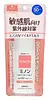 Key Ingredients
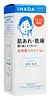
Benefits
Concerns
Ingredients Side-by-side
Dipotassium Glycyrrhizate
Humectant

Cyclopentasiloxane
Emollient
Zinc Oxide
Cosmetic Colorant


Ethylhexyl Palmitate
Emollient


Titanium Dioxide
Cosmetic Colorant
Butylene Glycol
Humectant

Polymethylsilsesquioxane
Diisostearyl Malate
EmollientGlyceryl Glucoside
Humectant
Dimethicone
Emollient
Polyhydroxystearic Acid
Emulsifying
Aluminum Starch Octenylsuccinate
Absorbent
PEG-10 Dimethicone
Skin Conditioning
Hydrogen Dimethicone
Sorbitan Sesquiisostearate
Emulsifying
Aluminum Hydroxide
EmollientDimethicone/Vinyl Dimethicone Crosspolymer
Skin Conditioning
Cholesteryl/Behenyl/Octyldodecyl Lauroyl Glutamate
Skin ConditioningPhenoxyethanol
Preservative
Sorbitan Sesquioleate
Emulsifying
Silica
Abrasive

Glycogen
HumectantCholesterol
Emollient
Dipotassium Glycyrrhizate, Cyclopentasiloxane, Zinc Oxide, Ethylhexyl Palmitate, Titanium Dioxide, Butylene Glycol, Polymethylsilsesquioxane, Diisostearyl Malate, Glyceryl Glucoside, Dimethicone, Polyhydroxystearic Acid, Aluminum Starch Octenylsuccinate, PEG-10 Dimethicone, Hydrogen Dimethicone, Sorbitan Sesquiisostearate, Aluminum Hydroxide, Dimethicone/Vinyl Dimethicone Crosspolymer, Cholesteryl/Behenyl/Octyldodecyl Lauroyl Glutamate, Phenoxyethanol, Sorbitan Sesquioleate, Silica, Glycogen, Cholesterol
Allantoin
Skin Conditioning
Dipotassium Glycyrrhizate
Humectant
Water
Skin ConditioningGlycerin
Humectant
Α-Olefin Oligomer
Dipropylene Glycol
HumectantButylene Glycol
Humectant
Pentaerythrityl Tetraethylhexanoate
Emollient
PEG-90
HumectantPetrolatum
Emollient
Decamethyltetrasiloxane
Behenyl Alcohol
Emollient
Batyl Alcohol
EmollientCarbomer
Emulsion StabilisingPEG/PPG-17/4 Dimethyl Ether
Skin ConditioningPotassium Hydroxide
BufferingXanthan Gum
EmulsifyingPhytosteryl/Behenyl/Octyldodecyl Lauroyl Glutamate
Skin ConditioningSodium Metaphosphate
BufferingSodium Metabisulfite
Antioxidant
Calcium Chloride
AstringentMagnesium Chloride
Sodium Lauroyl Glutamate
SurfactantSodium PCA
Humectant
Phenoxyethanol
Preservative
Allantoin, Dipotassium Glycyrrhizate, Water, Glycerin, Α-Olefin Oligomer, Dipropylene Glycol, Butylene Glycol, Pentaerythrityl Tetraethylhexanoate, PEG-90, Petrolatum, Decamethyltetrasiloxane, Behenyl Alcohol, Batyl Alcohol, Carbomer, PEG/PPG-17/4 Dimethyl Ether, Potassium Hydroxide, Xanthan Gum, Phytosteryl/Behenyl/Octyldodecyl Lauroyl Glutamate, Sodium Metaphosphate, Sodium Metabisulfite, Calcium Chloride, Magnesium Chloride, Sodium Lauroyl Glutamate, Sodium PCA, Phenoxyethanol
Ingredients Explained
These ingredients are found in both products.
Ingredients higher up in an ingredient list are typically present in a larger amount.
Butylene Glycol (or BG) is used within cosmetic products for a few different reasons:
Overall, Butylene Glycol is a safe and well-rounded ingredient that works well with other ingredients.
Though this ingredient works well with most skin types, some people with sensitive skin may experience a reaction such as allergic rashes, closed comedones, or itchiness.
Learn more about Butylene GlycolDipotassium Glycyrrhizate comes from licorice root.
Extracts of licorice have demonstrated to have antibacterial, anti‐inflammatory, antiviral, antioxidant properties.
One component, glabridin, has extra potent antioxidant and soothing properties. It has also been found to block pigmentation from UVB rays in guinea pigs.
Licorice Root also contains a flavonoid. Flavonoids are a natural substance from in plants. Flavonoids also have antioxidant properties.
Another component, glycyrrhizin, has been found to have anti-inflammatory and antimicrobial benefits. This may make licorice root extract effective at treating acne. However, more research is needed to support this.
Liquiritin is one of the flavone compounds found in licorice. It has been found to help lighten skin by preventing tyrosinase from reacting with tyrosine. When the two react, protein is converted to melanin. Melanin is the substance in your body that gives your features pigmentation.
Licorice root is native to Southern Europe and Asia. It has been used in traditional Chinese medicine to help with respiratory issues.
Learn more about Dipotassium GlycyrrhizatePhenoxyethanol is a preservative that has germicide, antimicrobial, and aromatic properties. Studies show that phenoxyethanol can prevent microbial growth. By itself, it has a scent that is similar to that of a rose.
It's often used in formulations along with Caprylyl Glycol to preserve the shelf life of products.

