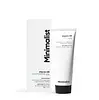
This barrier-repair moisturizer is formulated around Panthenol to strengthen the skin barrier and calm redness.
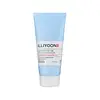
This barrier-repair moisturizer is formulated around Ceramide NP and Madecassoside to strengthen the skin barrier and calm redness.


What's inside
What's inside
 Key Ingredients
Benefits
Concerns
No concerns
Ingredients Side-by-side
Water
Skin ConditioningPanthenol
Skin Conditioning




Cyclopentasiloxane
Emollient
Dimethicone Crosspolymer
Emulsion Stabilising
Xylitylglucoside
Humectant
Anhydroxylitol
Humectant
Xylitol
Humectant
PEG/PPG-18/18 Dimethicone
Emulsifying
Magnesium Aspartate
Skin ConditioningZinc Gluconate
Skin Conditioning



Copper Gluconate
Skin Conditioning
Betaine
Humectant
Phenoxyethanol
Preservative
Allantoin
Skin Conditioning
Pentylene Glycol
Skin Conditioning
Ethylhexylglycerin
Skin ConditioningCarbomer
Emulsion StabilisingMagnesium Sulfate
Hydroxyethyl Acrylate/Sodium Acryloyldimethyl Taurate Copolymer
Emulsion StabilisingWater, Panthenol, Cyclopentasiloxane, Dimethicone Crosspolymer, Xylitylglucoside, Anhydroxylitol, Xylitol, PEG/PPG-18/18 Dimethicone, Magnesium Aspartate, Zinc Gluconate, Copper Gluconate, Betaine, Phenoxyethanol, Allantoin, Pentylene Glycol, Ethylhexylglycerin, Carbomer, Magnesium Sulfate, Hydroxyethyl Acrylate/Sodium Acryloyldimethyl Taurate Copolymer
Water
Skin ConditioningPropanediol
Solvent
Glycerin
Humectant
Caprylic/Capric Triglyceride
Masking
Ethylhexyl Stearate
Emollient




1,2-Hexanediol
Skin Conditioning
Ammonium Acryloyldimethyltaurate/Vp Copolymer
Polyglyceryl-3 Methylglucose Distearate
Emulsifying
Cetearyl Olivate
Sorbitan Olivate
Emulsifying
Carbomer
Emulsion StabilisingTromethamine
BufferingGlyceryl Caprylate
EmollientEthylhexylglycerin
Skin ConditioningButylene Glycol
Humectant
Panax Ginseng Root Water
Masking
Scutellaria Baicalensis Root Extract
Astringent
Ceramide NP
Skin Conditioning

Betaine
Humectant
Prunus Mume Fruit Extract
Humectant
Glycine Max Oil
Emollient
Hydrogenated Lecithin
Emulsifying
Squalane
Emollient
Madecassoside
Antioxidant

Polyglyceryl-10 Pentastearate
Skin Conditioning
Phytosphingosine
Skin Conditioning
Pentylene Glycol
Skin Conditioning
Dipotassium Glycyrrhizate
Humectant
Canola Oil
Emollient
Rosmarinus Officinalis Leaf Extract
AntimicrobialTocopherol
Antioxidant

Water, Propanediol, Glycerin, Caprylic/Capric Triglyceride, Ethylhexyl Stearate, 1,2-Hexanediol, Ammonium Acryloyldimethyltaurate/Vp Copolymer, Polyglyceryl-3 Methylglucose Distearate, Cetearyl Olivate, Sorbitan Olivate, Carbomer, Tromethamine, Glyceryl Caprylate, Ethylhexylglycerin, Butylene Glycol, Panax Ginseng Root Water, Scutellaria Baicalensis Root Extract, Ceramide NP, Betaine, Prunus Mume Fruit Extract, Glycine Max Oil, Hydrogenated Lecithin, Squalane, Madecassoside, Polyglyceryl-10 Pentastearate, Phytosphingosine, Pentylene Glycol, Dipotassium Glycyrrhizate, Canola Oil, Rosmarinus Officinalis Leaf Extract, Tocopherol
Reviews
Ingredients Explained
These ingredients are found in both products.
Ingredients higher up in an ingredient list are typically present in a larger amount.
Betaine is a humectant. Like hyaluronic acid, it helps attract and retain moisture in the skin. It’s known for being gentle and for helping the skin maintain balanced hydration.
Betaine is mainly used to improve hydration and support calmer skin. It helps skin cells regulate water balance because it functions as an osmolyte.
Some studies suggest betaine may support making skin tone more even.
Fun fact: Betaine naturally exists in the skin and the body. In cosmetic products, it can be either plant-derived (most commonly from sugar beets) or synthetically produced for consistency and stability.
Betaine is also known as trimethylglycine.
Learn more about BetaineCarbomer is a synthetic thickening and gelling agent. It's basically the ingredient that gives a lot of serums, gels, creams, and sunscreens their smooth, non-sticky texture.
Although legally permitted at very high levels, carbomers are normally used at concentrations below 1%.
It also needs to be neutralized to actually thicken, and because it is a large molecule, it doesn't really penetrate the skin barrier.
Allergy-wise, the risk is very low. Clinical studies show carbomers have low potential for skin irritation/sensitization even at concentrations up to 100%.
A 2024 UK study patch-tested 1,302 patients and found true allergy to the parent group of carbomer to be rare with no confirmed relevant reactions.
Learn more about CarbomerEthylhexylglycerin is created from glycerin. It is a multitasker ingredient that:
The CIR Expert Panel found minimal skin absorption or sensitization of any kind in a safety assessment. Though this ingredient is considered well-tolerated, a small number of cases of allergic dermatitis have been published since 2002. Just be sure to patch test if you are unsure.
Industry-reported use ranges from 8% in rinse-off products and 2% in leave-on formulations.
Learn more about EthylhexylglycerinPentylene Glycol (1,2-pentanediol) is a multitasking little diol with three main roles in a formula:
Research on alkanediols (the family pentylene glycol belongs to) show they work by disrupting microbial cell membranes. This disruption helps the primary preservative system in a product work more effectively at lower doses.
On the safety side, the Cosmetic Ingredient Review Expert Panel has concluded this ingredient to be safe as used in current cosmetic practices + concentrations.
Typical use levels in a formula run about 1-5%.
Learn more about Pentylene GlycolWater. It's the most common cosmetic ingredient of all. You'll usually see it at the top of ingredient lists, meaning that it makes up the largest part of the product.
So why is it so popular? Water most often acts as a solvent - this means that it helps dissolve other ingredients into the formulation.
You'll also recognize water as that liquid we all need to stay alive. If you see this, drink a glass of water. Remember to stay hydrated!
Learn more about Water

