
What's inside
What's inside
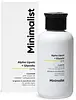 Key Ingredients
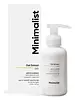
Benefits
Concerns
No concerns
Ingredients Side-by-side
Water
Skin ConditioningGlycerin
Humectant


Cocamidopropyl Betaine
Cleansing


Propanediol
Solvent
Glycolic Acid
Buffering








Sodium Lauroyl Methyl Isethionate
CleansingXylitylglucoside
Humectant
Anhydroxylitol
Humectant
Xylitol
Humectant
PEG-150 Pentaerythrityl Tetrastearate
Emulsifying
PEG-120 Methyl Glucose Dioleate
Emulsifying
Thioctic Acid
Antioxidant
Betaine
Humectant
Pentylene Glycol
Skin Conditioning
Panthenol
Skin Conditioning
Allantoin
Skin Conditioning
Sodium PCA
Humectant
Coco-Glucoside
Cleansing
Glyceryl Oleate
Emollient
Phenoxyethanol
Preservative
Ethylhexylglycerin
Skin ConditioningTrisodium Ethylenediamine Disuccinate
Lactic Acid
Buffering
Citric Acid
Buffering
Sodium Citrate
BufferingSodium Hydroxide
BufferingWater, Glycerin, Cocamidopropyl Betaine, Propanediol, Glycolic Acid, Sodium Lauroyl Methyl Isethionate, Xylitylglucoside, Anhydroxylitol, Xylitol, PEG-150 Pentaerythrityl Tetrastearate, PEG-120 Methyl Glucose Dioleate, Thioctic Acid, Betaine, Pentylene Glycol, Panthenol, Allantoin, Sodium PCA, Coco-Glucoside, Glyceryl Oleate, Phenoxyethanol, Ethylhexylglycerin, Trisodium Ethylenediamine Disuccinate, Lactic Acid, Citric Acid, Sodium Citrate, Sodium Hydroxide
Water
Skin ConditioningGlycerin
Humectant
Avena Sativa Kernel Extract
Abrasive
Butylene Glycol
Humectant
Sodium Lauroyl Oat Amino Acids
CleansingCetyl Alcohol
Emollient
Stearyl Alcohol
Emollient
Methyl Gluceth-20
Humectant
Coco-Glucoside
Cleansing
Phenoxyethanol
Preservative
Glyceryl Oleate
Emollient
Sodium Hyaluronate
Humectant
Panthenol
Skin Conditioning
Bisabolol
Antioxidant
Pentylene Glycol
Skin Conditioning
Ethylhexylglycerin
Skin ConditioningTrisodium Ethylenediamine Disuccinate
Water, Glycerin, Avena Sativa Kernel Extract, Butylene Glycol, Sodium Lauroyl Oat Amino Acids, Cetyl Alcohol, Stearyl Alcohol, Methyl Gluceth-20, Coco-Glucoside, Phenoxyethanol, Glyceryl Oleate, Sodium Hyaluronate, Panthenol, Bisabolol, Pentylene Glycol, Ethylhexylglycerin, Trisodium Ethylenediamine Disuccinate
Reviews
Ingredients Explained
These ingredients are found in both products.
Ingredients higher up in an ingredient list are typically present in a larger amount.
Coco-Glucoside is a surfactant, or a cleansing ingredient. It is made from glucose and coconut oil.
Surfactants help gather dirt, oil, and other pollutants from your skin to be rinsed away.
This ingredient is considered gentle and non-comedogenic. However, it may still be irritating for some.
Learn more about Coco-GlucosideEthylhexylglycerin is created from glycerin. It is a multitasker ingredient that:
The CIR Expert Panel found minimal skin absorption or sensitization of any kind in a safety assessment. Though this ingredient is considered well-tolerated, a small number of cases of allergic dermatitis have been published since 2002. Just be sure to patch test if you are unsure.
Industry-reported use ranges from 8% in rinse-off products and 2% in leave-on formulations.
Learn more about EthylhexylglycerinGlycerin (or glycerol) is a compound naturally found in your skin. It's a powerhouse humectant that pulls water into the stratum corneum.
Topically, glycerin does several things at once:
Your skin makes glycerin on its own (mostly from sebaceous oil breakdown) and shuttles it to your outermost layer of skin, or your epidermis, via aquaporin-3.
Aquaporin-3 is a transporter that is essential for normal skin hydration, elasticity, and repair. Interestingly, mice lacking in AQP3 have dry and less elastic skin that can be fully corrected with glycerin.
This ingredient is non-irritating, plays well with almost every ingredient, and works across all skin types. Typical use is anywhere between 3-10% but can go up to 79% in some leave-on products.
Just know very high concentrations (>40%) can feel tacky in low humidity.
Glycerin is the name for this ingredient in American English. British English uses Glycerol/Glycerine.
Learn more about GlycerinGlyceryl Oleate is the monoester of glycerin and oleic acid. It is a skin-conditioning emollient that also helps form emulsions.
What makes glyceryl oleate special is its "re-fatting" effect.
When you wash your hair and skin with a surfactant-based cleanser, the surfactants grab onto everything. This includes your skin's natural lipids, or the fats that live in your skin barrier and sebum. Once you rinse these surfactants away, it leaves your skin feeling tight, dry, and clean (in a not-good way).
Re-fatting is essentially putting some of these lipids back. Glyceryl oleate deposits a thin layer of emollient lipids back on the skin or hair surface reduce some of the barrier damage.
Also, glyceryl oleate isn't a foreign molecule to your skin. It's chemically identical to something your skin already produces and manages naturally. This is why it tends to be well-tolerated with low risk of irritation.
Typical use levels range from 0.5-5%.
Glyceryl Oleate has a function of "perfuming" in the CosIng database. This just means that the ingredient has some scent character that can contribute to the product's overall smell.
The scent of this ingredient is described as "waxy".
As an ester of oleic acid, this ingredient may not be fungal acne safe. This is because oleic acid falls into the carbon-chain length that Malassezia can use as a substrate.
Learn more about Glyceryl OleatePanthenol is a common ingredient that helps hydrate and soothe the skin. It is found naturally in our skin and hair.
There are two forms of panthenol: D and L.
D-panthenol is also known as dexpanthenol. Most cosmetics use dexpanthenol or a mixture of D and L-panthenol.
Panthenol is famous due to its ability to go deeper into the skin's layers. Using this ingredient has numerous pros (and no cons):
Like hyaluronic acid, panthenol is a humectant. Humectants are able to bind and hold large amounts of water to keep skin hydrated.
This ingredient works well for wound healing. It works by increasing tissue in the wound and helps close open wounds.
Once oxidized, panthenol converts to pantothenic acid. Panthothenic acid is found in all living cells.
This ingredient is also referred to as pro-vitamin B5.
Learn more about PanthenolPentylene glycol is typically used within a product to thicken it. It also adds a smooth, soft, and moisturizing feel to the product. It is naturally found in plants such as sugar beets.
The hydrophilic trait of Pentylene Glycol makes it a humectant. As a humectant, Pentylene Glycol helps draw moisture from the air to your skin. This can help keep your skin hydrated.
This property also makes Pentylene Glycol a great texture enhancer. It can also help thicken or stabilize a product.
Pentylene Glycol also acts as a mild preservative and helps to keep a product microbe-free.
Some people may experience mild eye and skin irritation from Pentylene Glycol. We always recommend speaking with a professional about using this ingredient in your routine.
Pentylene Glycol has a low molecular weight and is part of the 1,2-glycol family.
Learn more about Pentylene GlycolPhenoxyethanol is a preservative that has germicide, antimicrobial, and aromatic properties. Studies show that phenoxyethanol can prevent microbial growth. By itself, it has a scent that is similar to that of a rose.
It's often used in formulations along with Caprylyl Glycol to preserve the shelf life of products.
Trisodium Ethylenediamine Disuccinate is used to help stabilize a product.
It is a chelating agent, meaning it helps prevent metal ions from binding to other ingredients. This prevents unwanted reactions in products. Metal ions can come into a product via the water ingredient. They are found in trace amounts and are not known to be harmful.
Water. It's the most common cosmetic ingredient of all. You'll usually see it at the top of ingredient lists, meaning that it makes up the largest part of the product.
So why is it so popular? Water most often acts as a solvent - this means that it helps dissolve other ingredients into the formulation.
You'll also recognize water as that liquid we all need to stay alive. If you see this, drink a glass of water. Remember to stay hydrated!
Learn more about Water
