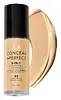
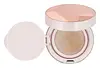
Milani Conceal + Perfect 2-In-1 Foundation And Concealer Versus heimish Artless Perfect Cushion SPF 50


What's inside
What's inside
 Key Ingredients
Benefits
Concerns
Ingredients Side-by-side
Water
Skin ConditioningCyclopentasiloxane
Emollient
Isononyl Isononanoate
EmollientCetyl PEG/PPG-10/1 Dimethicone
Emulsifying
Butylene Glycol
Humectant

Glycerin
Humectant
Bis-PEG/PPG-14/14 Dimethicone
Emollient
Vp/Eicosene Copolymer
Ozokerite
Emulsion StabilisingPolymethylsilsesquioxane
Mica
Cosmetic ColorantDisteardimonium Hectorite
StabilisingPropylene Carbonate
SolventPhenoxyethanol
Preservative
Sodium Chloride
MaskingAluminum Dimyristate
Emulsion StabilisingDisodium Stearoyl Glutamate
CleansingTriethoxycaprylylsilane
Silica
Abrasive


Bis-Vinyl Dimethicone/Dimethicone Copolymer
Emulsion Stabilising
Isododecane
EmollientCaprylyl Glycol
Emollient
1,2-Hexanediol
Skin Conditioning
C30-45 Alkyl Cetearyl Dimethicone Crosspolymer
Emollient
Glycereth-18
HumectantGlycereth-18 Ethylhexanoate
Skin ConditioningBeeswax
Emulsion Stabilising




Potassium Sorbate
Preservative
Xanthan Gum
EmulsifyingPrunus Domestica Fruit Extract
MoisturisingC18-21 Alkane
SolventPolyisobutene
Allantoin
Skin Conditioning

Iron Oxides
CI 77891
Cosmetic ColorantWater, Cyclopentasiloxane, Isononyl Isononanoate, Cetyl PEG/PPG-10/1 Dimethicone, Butylene Glycol, Glycerin, Bis-PEG/PPG-14/14 Dimethicone, Vp/Eicosene Copolymer, Ozokerite, Polymethylsilsesquioxane, Mica, Disteardimonium Hectorite, Propylene Carbonate, Phenoxyethanol, Sodium Chloride, Aluminum Dimyristate, Disodium Stearoyl Glutamate, Triethoxycaprylylsilane, Silica, Bis-Vinyl Dimethicone/Dimethicone Copolymer, Isododecane, Caprylyl Glycol, 1,2-Hexanediol, C30-45 Alkyl Cetearyl Dimethicone Crosspolymer, Glycereth-18, Glycereth-18 Ethylhexanoate, Beeswax, Potassium Sorbate, Xanthan Gum, Prunus Domestica Fruit Extract, C18-21 Alkane, Polyisobutene, Allantoin, Iron Oxides, CI 77891
Water
Skin ConditioningTitanium Dioxide
Cosmetic Colorant

Ethylhexyl Methoxycinnamate
UV Absorber
Cyclopentasiloxane
Emollient
Ethylhexyl Salicylate
UV Absorber
Cyclohexasiloxane
Emollient
C12-15 Alkyl Benzoate
AntimicrobialGlycerin
Humectant
Niacinamide
Smoothing





Octocrylene
UV Absorber
Bis-Diglyceryl Polyacyladipate-2
Emollient
PEG-30 Dipolyhydroxystearate
Emulsifying
Zinc Oxide
Cosmetic Colorant
PEG-10 Dimethicone
Skin Conditioning
Butylene Glycol
Humectant
Sodium Chloride
MaskingQuaternium-18 Bentonite
Dimethicone
Emollient
Rosa Canina Fruit Extract
Astringent
Thymus Vulgaris Leaf Extract
Skin ProtectingMentha Piperita Leaf Extract
Skin ConditioningOriganum Majorana Leaf Extract
AntiseborrhoeicCopernicia Cerifera Wax
Chlorphenesin
Antimicrobial
Triethoxycaprylylsilane
Aluminum Hydroxide
EmollientVinyl Dimethicone/Methicone Silsesquioxane Crosspolymer
Adenosine
Skin Conditioning
Parfum
Masking

Iron Oxides
Water, Titanium Dioxide, Ethylhexyl Methoxycinnamate, Cyclopentasiloxane, Ethylhexyl Salicylate, Cyclohexasiloxane, C12-15 Alkyl Benzoate, Glycerin, Niacinamide, Octocrylene, Bis-Diglyceryl Polyacyladipate-2, PEG-30 Dipolyhydroxystearate, Zinc Oxide, PEG-10 Dimethicone, Butylene Glycol, Sodium Chloride, Quaternium-18 Bentonite, Dimethicone, Rosa Canina Fruit Extract, Thymus Vulgaris Leaf Extract, Mentha Piperita Leaf Extract, Origanum Majorana Leaf Extract, Copernicia Cerifera Wax, Chlorphenesin, Triethoxycaprylylsilane, Aluminum Hydroxide, Vinyl Dimethicone/Methicone Silsesquioxane Crosspolymer, Adenosine, Parfum, Iron Oxides
Reviews
Ingredients Explained
These ingredients are found in both products.
Ingredients higher up in an ingredient list are typically present in a larger amount.
Butylene Glycol (or BG) is used within cosmetic products for a few different reasons:
Overall, Butylene Glycol is a safe and well-rounded ingredient that works well with other ingredients.
Though this ingredient works well with most skin types, some people with sensitive skin may experience a reaction such as allergic rashes, closed comedones, or itchiness.
Learn more about Butylene GlycolCyclopentasiloxane (D5) is a lightweight silicone that mostly acts as an emollient and solvent in cosmetics. Its the reason your products feel silky, fast-spreading, and non-greasy.
Since D5 is volatile, it does its thing and then evaporates off the skin quickly.
The safety profile of this ingredient is reassuring; the US CIR Expert Panel concluded D5 is safe as used in cosmetics and Health Canada concluded that D5 is not harmful to human health or the environment as currently used in cosmetics
There's a study that people mention about D5 in a rat study showing tumors. This study is related to long-term inhalation of high D5 levels.
Regulatory bodies have judged this study to be not applicable in topical skincare since skin absorption of D5 is very low and we're not really inhaling huge amounts of D5.
The only restriction for this ingredient is environmental. The European Chemicals Agency (ECHA) restricted D5 in wash-off cosmetics at or above 0.1% due to their persistence in water.
Learn more about CyclopentasiloxaneGlycerin (or glycerol) is a compound naturally found in your skin. It's a powerhouse humectant that pulls water into the stratum corneum.
Topically, glycerin does several things at once:
Your skin makes glycerin on its own (mostly from sebaceous oil breakdown) and shuttles it to your outermost layer of skin, or your epidermis, via aquaporin-3.
Aquaporin-3 is a transporter that is essential for normal skin hydration, elasticity, and repair. Interestingly, mice lacking in AQP3 have dry and less elastic skin that can be fully corrected with glycerin.
This ingredient is non-irritating, plays well with almost every ingredient, and works across all skin types. Typical use is anywhere between 3-10% but can go up to 79% in some leave-on products.
Just know very high concentrations (>40%) can feel tacky in low humidity.
Glycerin is the name for this ingredient in American English. British English uses Glycerol/Glycerine.
Learn more about GlycerinChances are, you eat sodium chloride every day. Sodium Chloride is also known as table salt. This ingredient has many purposes in skincare: thickener, emulsifier, and exfoliator.
You'll most likely find this ingredient in cleansers where it is used to create a gel-like texture. As an emulsifier, it also prevents ingredients from separating.
You might see people debate whether Sodium Chloride is comedogenic, but there actually haven't been any comedogenic tests done on it. Either way, the overall formulation of a product matters a lot more than any single ingredient.
You might see this ingredient used in scrubs as a primary exfoliating ingredient.
Learn more about Sodium ChlorideTriethoxycaprylylsilane is a silicon-based surface modifier that makes sunscreens feel silky and makeup stay put.
Its main job is to coat mineral particles like titanium dioxide, zinc oxide, and color pigments in a thin, oily layer so they spread smoothly, don't clump, and stick to skin better.
This ingredient is typically used at low levels (up to 2.5% in eyeshadow and 1% in lipstick).
Learn more about TriethoxycaprylylsilaneWater. It's the most common cosmetic ingredient of all. You'll usually see it at the top of ingredient lists, meaning that it makes up the largest part of the product.
So why is it so popular? Water most often acts as a solvent - this means that it helps dissolve other ingredients into the formulation.
You'll also recognize water as that liquid we all need to stay alive. If you see this, drink a glass of water. Remember to stay hydrated!
Learn more about WaterThis ingredient is a combination of red, black, and yellow iron oxide pigments. This combination of colors is usually found in foundation, because it results in a "skin" color.
The EU typically uses CI numbers for colorants when applicable, such as CI 77489. In the US, iron oxides are regulated as color additives and "iron oxides" is the most commonly used name in US cosmetic practice.
A 2021 paper looked at skincare formulations containing iron oxides and found that they reduced transmission of blue light when measured optically. In simple terms, the pigment particles helped block or scatter part of the visible light spectrum in lab testing and the authors suggest this could translate into better protection against blue-light-related skin effects.
There is also clinical and experimental research showing that tinted products containing iron oxides can reduce visible light-induced pigmentation:
Please note, whether a product reduces visible or blue light depends on things like:
In the EU's CosIng database, iron oxides are only listed as a colorant. CosIng groups ingredients by their main cosmetic role, such as colorant, preservative, or UV filter.
Though studies say iron oxides can "attenuate blue light", they're describing an optical property and not an officially recognized cosmetic function.
So CosIng isn’t contradicting the research. It’s just classifying iron oxides by what they officially are: pigments that add color.
Learn more about Iron Oxides

