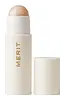
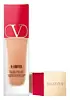
Merit Beauty Day Glow Dewy Highlighting Balm Versus Valentino V-Lighter Dual-Use Liquid Light Face Base & Top Coat


What's inside
What's inside
 Key Ingredients
Benefits
Concerns
Ingredients Side-by-side
Squalane
Emollient


Olea Europaea Fruit Oil
Masking





Octyldodecanol
Emollient
Mica
Cosmetic ColorantPolyglyceryl-10 Pentaisostearate
Emollient
Hydrogenated Polyisobutene
EmollientPhytosteryl/Octyldodecyl Lauroyl Glutamate
Skin ConditioningDibutyl Lauroyl Glutamide
Skin ConditioningDibutyl Ethylhexanoyl Glutamide
Skin ConditioningTocopherol
Antioxidant




Glyceryl Dibehenate
Emollient
Tribehenin
Emollient
Glyceryl Behenate
Emollient
Silica
Abrasive


Tin Oxide
Abrasive
CI 77891
Cosmetic ColorantCI 77491
Cosmetic ColorantSqualane, Olea Europaea Fruit Oil, Octyldodecanol, Mica, Polyglyceryl-10 Pentaisostearate, Hydrogenated Polyisobutene, Phytosteryl/Octyldodecyl Lauroyl Glutamate, Dibutyl Lauroyl Glutamide, Dibutyl Ethylhexanoyl Glutamide, Tocopherol, Glyceryl Dibehenate, Tribehenin, Glyceryl Behenate, Silica, Tin Oxide, CI 77891, CI 77491
Water
Skin ConditioningGlycerin
Humectant
Dimethicone
Emollient
Alcohol Denat.
Antimicrobial


Butyrospermum Parkii Butter
Skin Conditioning
Synthetic Fluorphlogopite
Polyglyceryl-6 Distearate
Emulsifying
Ammonium Polyacryloyldimethyl Taurate
Emulsion StabilisingPolysilicone-11
Phenoxyethanol
Preservative
Pentaerythrityl Tetraethylhexanoate
Emollient
Jojoba Esters
Emollient
Capryloyl Salicylic Acid
Exfoliating
Caprylyl Glycol
Emollient
Sodium Citrate
BufferingPolyacrylamide
Boron Nitride
Absorbent
Polyglyceryl-3 Beeswax
Emulsifying
Cetyl Alcohol
Emollient
Parfum
Masking
Sodium Hyaluronate
Humectant
C13-14 Isoparaffin
Emollient
Magnesium Silicate
AbsorbentSilica
Abrasive
Adenosine
Skin Conditioning
Trisodium Ethylenediamine Disuccinate
ChelatingCitric Acid
Buffering
Laureth-7
EmulsifyingTin Oxide
Abrasive
Linalool
Perfuming
Limonene
Perfuming
Citrus Aurantium Bergamia Fruit Oil
Masking
Citronellol
Perfuming
Benzyl Alcohol
Perfuming
CI 77891
Cosmetic ColorantMica
Cosmetic ColorantCI 77491
Cosmetic ColorantWater, Glycerin, Dimethicone, Alcohol Denat., Butyrospermum Parkii Butter, Synthetic Fluorphlogopite, Polyglyceryl-6 Distearate, Ammonium Polyacryloyldimethyl Taurate, Polysilicone-11, Phenoxyethanol, Pentaerythrityl Tetraethylhexanoate, Jojoba Esters, Capryloyl Salicylic Acid, Caprylyl Glycol, Sodium Citrate, Polyacrylamide, Boron Nitride, Polyglyceryl-3 Beeswax, Cetyl Alcohol, Parfum, Sodium Hyaluronate, C13-14 Isoparaffin, Magnesium Silicate, Silica, Adenosine, Trisodium Ethylenediamine Disuccinate, Citric Acid, Laureth-7, Tin Oxide, Linalool, Limonene, Citrus Aurantium Bergamia Fruit Oil, Citronellol, Benzyl Alcohol, CI 77891, Mica, CI 77491
Ingredients Explained
These ingredients are found in both products.
Ingredients higher up in an ingredient list are typically present in a larger amount.
Ci 77491 is also hydrated iron III oxide. It's sole purpose is to give a red/pink hue to products.
Iron III oxides are classified as inorganic chemicals for coloring.
Synthetically created Ci 77491 is considered safer than those naturally found. This is because the synthetically created version may contain less impurities. Iron oxides are generally non-toxic and non-allergenic.
Learn more about CI 77491Ci 77891 is a white pigment from Titanium dioxide. It is naturally found in minerals such as rutile and ilmenite.
It's main function is to add a white color to cosmetics. It can also be mixed with other colors to create different shades.
Ci 77891 is commonly found in sunscreens due to its ability to block UV rays.
Learn more about CI 77891Mica is a naturally occurring mineral used to add shimmer and color in cosmetics. It can also help improve the texture of a product or give it an opaque, white/silver color.
Serecite is the name for very fine but ragged grains of mica.
This ingredient is often coated with metal oxides like titanium dioxide. Trace amounts of heavy metals may be found in mica, but these metals are not harmful in our personal products.
Mica has been used since prehistoric times throughout the world. Ancient Egyptian, Indian, Greek, Roman, Aztec, and Chinese civilizations have used mica.
Learn more about MicaSilica, also known as silicon dioxide, is a naturally occurring mineral. It is used as a fine, spherical, and porous powder in cosmetics.
Though it has exfoliant properties, the function of silica varies depending on the product.
The unique structure of silica enhances the spreadability and adds smoothness, making it a great texture enhancer.
It is also used as an active carrier, emulsifier, and mattifier due to its ability to absorb excess oil.
In some products, tiny microneedles called spicules are made from silica or hydrolyzed sponge. When you rub them in, they lightly polish away dead skin layers and enhance the penetration of active ingredients.
Learn more about SilicaTin Oxide is an inorganic oxide used to add opacity and volume to a product. In nature, it is already found in mineral form. The main ore of tin is an opaque and shiny mineral called casseterite.
Tin Oxide helps remove translucency in a product, or make it more opaque. Besides adding opacity, tin oxide is used for bulking to add volume.


