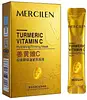
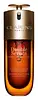
Mercilen Turmeric Vitamin C Hydrating Firming Mask Versus Clarins Double Serum Complete Age-Defying Concentrate
This anti-aging serum is formulated around Squalane and Palmitoyl Tripeptide-1 to soften the look of wrinkles and hydrate skin.


What's inside
What's inside
 Key Ingredients
Benefits
Concerns
Ingredients Side-by-side




Water
Skin ConditioningSqualane
Emollient


Hexyl Laurate
Emollient

Glycerin
Humectant
Pentylene Glycol
Skin Conditioning
Propanediol
Solvent
Silybum Marianum Seed Oil
Skin Conditioning
Butylene Glycol
Humectant
Ethylene/Propylene/Styrene Copolymer
Parfum
Masking



Fructose
Humectant
Tromethamine
BufferingCarbomer
Emulsion StabilisingHydroxyacetophenone
Antioxidant
Avena Sativa Kernel Extract
Abrasive


Escin
TonicTocopheryl Acetate
Antioxidant

Ethylhexylglycerin
Skin ConditioningAloe Barbadensis Leaf Juice Powder
Skin Conditioning
Sodium Acetylated Hyaluronate
Humectant
Theobroma Cacao Extract
Skin ConditioningCaprylic/Capric Triglyceride
Masking
Aesculus Hippocastanum Extract
Antioxidant
Leontopodium Alpinum Flower/Leaf Extract
Skin ConditioningDisodium EDTA
Maltodextrin
Absorbent
Xanthan Gum
EmulsifyingButylene/Ethylene/Styrene Copolymer
Curcuma Longa Root Extract
Antioxidant
Persea Gratissima Oil Unsaponifiables
Skin Conditioning
Melissa Officinalis Leaf Extract
Skin ConditioningCaramel
Cosmetic ColorantHippophae Rhamnoides Kernel Extract
MaskingSodium Lactate
Buffering
Musa Sapientum Fruit Extract
Skin ConditioningOenothera Biennis Flower/Leaf/Stem Extract
Skin ConditioningHarungana Madagascariensis Extract
Skin ConditioningKalanchoe Pinnata Leaf Extract
MaskingMangifera Indica Leaf Extract
Skin ConditioningSodium Benzoate
Masking
Citric Acid
Buffering
Centaurea Cyanus Flower Extract
Astringent
Tocopherol
Antioxidant
Hedychium Coronarium Root Extract
MaskingCoco-Glucoside
Cleansing
Pentaerythrityl Tetra-Di-T-Butyl Hydroxyhydrocinnamate
Antioxidant
Dipsacus Sylvestris Extract
Skin ConditioningGlycine Soja Oil
Emollient

Arundo Donax Stem Extract
Skin ConditioningJania Rubens Extract
Skin Conditioning
Potassium Sorbate
Preservative
Sodium Citrate
BufferingMalpighia Emarginata Seed Extract
Skin ConditioningArbutus Unedo Fruit Extract
Antioxidant
Palmitoyl Tripeptide-1
Skin Conditioning

CI 14700
Cosmetic ColorantPalmitoyl Tetrapeptide-7
Skin Conditioning
Water, Squalane, Hexyl Laurate, Glycerin, Pentylene Glycol, Propanediol, Silybum Marianum Seed Oil, Butylene Glycol, Ethylene/Propylene/Styrene Copolymer, Parfum, Fructose, Tromethamine, Carbomer, Hydroxyacetophenone, Avena Sativa Kernel Extract, Escin, Tocopheryl Acetate, Ethylhexylglycerin, Aloe Barbadensis Leaf Juice Powder, Sodium Acetylated Hyaluronate, Theobroma Cacao Extract, Caprylic/Capric Triglyceride, Aesculus Hippocastanum Extract, Leontopodium Alpinum Flower/Leaf Extract, Disodium EDTA, Maltodextrin, Xanthan Gum, Butylene/Ethylene/Styrene Copolymer, Curcuma Longa Root Extract, Persea Gratissima Oil Unsaponifiables, Melissa Officinalis Leaf Extract, Caramel, Hippophae Rhamnoides Kernel Extract, Sodium Lactate, Musa Sapientum Fruit Extract, Oenothera Biennis Flower/Leaf/Stem Extract, Harungana Madagascariensis Extract, Kalanchoe Pinnata Leaf Extract, Mangifera Indica Leaf Extract, Sodium Benzoate, Citric Acid, Centaurea Cyanus Flower Extract, Tocopherol, Hedychium Coronarium Root Extract, Coco-Glucoside, Pentaerythrityl Tetra-Di-T-Butyl Hydroxyhydrocinnamate, Dipsacus Sylvestris Extract, Glycine Soja Oil, Arundo Donax Stem Extract, Jania Rubens Extract, Potassium Sorbate, Sodium Citrate, Malpighia Emarginata Seed Extract, Arbutus Unedo Fruit Extract, Palmitoyl Tripeptide-1, CI 14700, Palmitoyl Tetrapeptide-7
Reviews
Alternatives
Ingredients Explained
These ingredients are found in both products.
Ingredients higher up in an ingredient list are typically present in a larger amount.
Curcuma Longa Root Extract comes from the rhizome (underground stem) of the turmeric plant.
While the official EU Cosing Database lists this ingredient as a fragrance, it actually does more than give products a scent.
This ingredient contains a group of yellow pigments called curcuminoids (mostly curcumin) that give it genuine antioxidant and anti-inflammatory activity in skin.
Reviews of topical clinical studies have found turmeric/curcumin to be generally well-tolerated and useful across conditions like eczema and mild inflammation.
One thing working in its favor is that curcumin barely penetrates; in lab skin-permeation testing, the curcuminoids mostly stayed in the outermost layer of skin. This is a good thing because its soothing and antioxidant activity is a surface-level job anyway.
At this time, industry data shows there's no single "correct" cosmetic percentage. It's used across a wide range depending on the product and varies from tiny fractions of a percent up to a few percent.
Allergy-wise, curcumin is a documented (but uncommon) contact allergen. It can also cross react with related plants, so anyone with a turmeric/ginger/cinnamon allergy or reactive skin should patch test first.
Learn more about Curcuma Longa Root ExtractSqualane is the hydrogenated and shelf-stable form of squalene (a lipid that naturally occurs in human sebum).
It is an emollient and skin conditioning agent that is able to integrate seamlessly into the skin's lipid barrier without clogging pores.
This is due to how structurally similar it is to what your skin already produces.
Though it is mostly an emollient that helps soften and hydrate skin, it also has some humectant and occlusive action. Humectants help the skin retain moisture while occlusives seal it in, making squalane a triple-threat moisturizer.
Research shows it has antioxidant capabilities that help protect against stressors like UV exposure, specifically UVA induced oxidative stress. This study also found that it supports collagen biosynthesis in human dermal fibroblasts.
No clinical study has reported significant adverse effects and irritation reactions are very rare from this ingredient (even at 100% concentration).
Overall, it's a fantastic ingredient for hydration and is suitable for all skin types.
This depends on the source. Squalane can be derived from both plants and animals. Most squalane used in skincare comes from plants.
Please note: the source of squalane is only known if disclosed by the brand. We recommend reaching out to the brand if you have any questions about their squalane.
Read more about squalene with an "e".
Though squalane is often called an oil, it’s technically not one. It is a hydrocarbon, meaning it is only made of carbon and hydrogen. True oils are triglycerides and made of fatty acids and glycerol.
The term “oil-free” isn’t regulated so companies can define it however they want. Some exclude all oils, while others just avoid mineral oil or comedogenic oils.
Squalane has a comedogenic rating of 1 from the original 1972 study that tested raw ingredients under occlusion on rabbit ears. This system is not standardized or peer-reviewed, and using the raw ingredients is very different from how diluted cosmetic formulations are used on human skin.
A comedogenic rating of 1 means it is "unlikely to clog pores" according to the original rating system.
The overall formula of a product matters more than the individual ingredients on whether or not it will cause clogged pores.
Learn more about Squalane

