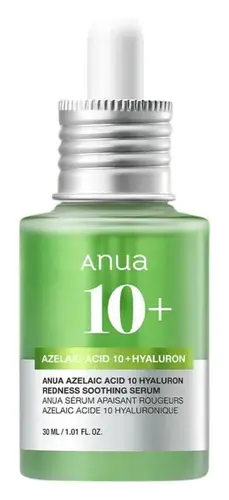
Melano CC Medicated Anti-Blemish Whitening Lotion Versus SKIN1004 Niacinamide 10 Boosting Shot Ampoule
This brightening toner is formulated around Ascorbyl Glucoside and Dipotassium Glycyrrhizate to brighten dull-looking skin and fade the look of dark spots.
This brightening ampoule is formulated around Niacinamide and Ascorbyl Glucoside to fade the look of dark spots and brighten dull-looking skin.


What's inside
What's inside
 Key Ingredients
Benefits
Concerns
No concerns
Ingredients Side-by-side
Ascorbyl Glucoside
Antioxidant




Dipotassium Glycyrrhizate
Humectant

Panthenol
Skin Conditioning

Ascorbic Acid
Antioxidant

Citrus Grandis Fruit Extract
Astringent
Citrus Limon Fruit Extract
Masking
Alpinia Katsumadai Seed Extract
Skin ConditioningHouttuynia Cordata Extract
Skin Conditioning
Saxifraga Sarmentosa Extract
Skin ConditioningButylene Glycol
Humectant
Dipropylene Glycol
HumectantSodium Lactate
Buffering
Glycerin
Humectant
Glycereth-26
Humectant
Phenoxyethanol
Preservative
PPG-6-Decyltetradeceth-12
EmulsifyingSodium Citrate
BufferingPotassium Hydroxide
BufferingCitric Acid
Buffering

Carbomer
Emulsion StabilisingXanthan Gum
EmulsifyingDisodium EDTA
Parfum
Masking

Ascorbyl Glucoside, Dipotassium Glycyrrhizate, Panthenol, Ascorbic Acid, Citrus Grandis Fruit Extract, Citrus Limon Fruit Extract, Alpinia Katsumadai Seed Extract, Houttuynia Cordata Extract, Saxifraga Sarmentosa Extract, Butylene Glycol, Dipropylene Glycol, Sodium Lactate, Glycerin, Glycereth-26, Phenoxyethanol, PPG-6-Decyltetradeceth-12, Sodium Citrate, Potassium Hydroxide, Citric Acid, Carbomer, Xanthan Gum, Disodium EDTA, Parfum
Water
Skin ConditioningButylene Glycol
Humectant
Niacinamide
Smoothing



1,2-Hexanediol
Skin Conditioning
Ascorbyl Glucoside
Antioxidant
Propanediol
Solvent
Carbomer
Emulsion StabilisingMethylpropanediol
SolventTromethamine
BufferingXanthan Gum
EmulsifyingTranexamic Acid
Astringent
Centella Asiatica Extract
Cleansing
Polyglutamic Acid
Skin Conditioning
Hydrolyzed Sponge
Skin ConditioningDisodium EDTA
Citric Acid
Buffering
Sodium DNA
Skin Conditioning
Ethylhexylglycerin
Skin ConditioningTocopheryl Acetate
Antioxidant
Panthenol
Skin Conditioning
Madecassoside
Antioxidant
Water, Butylene Glycol, Niacinamide, 1,2-Hexanediol, Ascorbyl Glucoside, Propanediol, Carbomer, Methylpropanediol, Tromethamine, Xanthan Gum, Tranexamic Acid, Centella Asiatica Extract, Polyglutamic Acid, Hydrolyzed Sponge, Disodium EDTA, Citric Acid, Sodium DNA, Ethylhexylglycerin, Tocopheryl Acetate, Panthenol, Madecassoside
Reviews
Ingredients Explained
These ingredients are found in both products.
Ingredients higher up in an ingredient list are typically present in a larger amount.
Ascorbyl Glucoside (AA-2G) is one of the most stable vitamin C derivatives out there.
It's made by attaching a glucose molecule to ascorbic acid; this glucose "cap" shields the vitamin C from air, light, heat, and metal ions that normally cause pure ascorbic acid to oxidize.
Once on your skin, the enzyme alpha-glucosidase snips off the glucose and gradually releases active ascorbic acid right where it's needed. Basically, it behaves like a slow-release pro-vitamin C with less of a stinging that high-strength ascorbic acid can cause.
The research supports the classic vitamin C benefits as well. In lab and human studies, AA-2G slowed down the skin's production of melanin (the pigment behind dark spots) and helped shield skin cells against sun damage better than ascorbyl phosphate.
These studies also showed AA-2G released vitamin C over a longer period.
A frequently cited manufacturer trial found that a 2% AA-2G face cream significantly improved wrinkle depth and skin roughness after 45 days.
And in 2009, a clinical trial showed it meaningfully lightened dark patches on the gums compared to a placebo.
There's also collagen-synthesis support (since vitamin C is a required cofactor for that) and an antioxidant effect too.
Typical usage is usually between 0.5-5% and most studies/products land around 2%.
AA-2G performs best when formulated at a mildly acidic pH (~5-7) which is much gentler than the pH that pure vitamin C demands (~2.5-3.5).
Just one thing worth knowing: the in-skin conversation rate is only about 55-60% by weight. So a 5% AA-2G product delivers roughly 2.75-3% of actual active vitamin C. On top of that, skin absorption is relatively low because the ingredient is water-soluble.
Learn more about Ascorbyl GlucosideButylene Glycol (or BG) is used within cosmetic products for a few different reasons:
Overall, Butylene Glycol is a safe and well-rounded ingredient that works well with other ingredients.
Though this ingredient works well with most skin types, some people with sensitive skin may experience a reaction such as allergic rashes, closed comedones, or itchiness.
Learn more about Butylene GlycolCarbomer is a synthetic thickening and gelling agent. It's basically the ingredient that gives a lot of serums, gels, creams, and sunscreens their smooth, non-sticky texture.
Although legally permitted at very high levels, carbomers are normally used at concentrations below 1%.
It also needs to be neutralized to actually thicken, and because it is a large molecule, it doesn't really penetrate the skin barrier.
Allergy-wise, the risk is very low. Clinical studies show carbomers have low potential for skin irritation/sensitization even at concentrations up to 100%.
A 2024 UK study patch-tested 1,302 patients and found true allergy to the parent group of carbomer to be rare with no confirmed relevant reactions.
Learn more about CarbomerCitric Acid is an alpha hydroxy acid (AHA) naturally found in citrus fruits like oranges, lemons, and limes.
Like other AHAs, citric acid can exfoliate skin by breaking down the bonds that hold dead skin cells together. This helps reveal smoother and brighter skin underneath.
However, this exfoliating effect only happens at high concentrations (20%) which can be hard to find in cosmetic products.
Due to this, citric acid is usually included in small amounts as a pH adjuster. This helps keep products slightly more acidic and compatible with skin's natural pH.
In skincare formulas, citric acid can:
While it can provide some skin benefits, research shows lactic acid and glycolic acid are generally more effective and less irritating exfoliants.
Most citric acid used in skincare today is made by fermenting sugars (usually from molasses). This synthetic version is identical to the natural citrus form but easier to stabilize and use in formulations.
Rosacea skin has a lower threshold for acids generally, with 62.5% of rosacea subjects in one study reacting to lactic acid in a sting test. This is why we mark citric acid as a potential rosacea trigger.
However, this ingredient shows up as a pH adjuster or chelator at roughly 0.1-1% in many products. These low levels are unlikely to be an issue for rosacea skin and becomes a potential trigger at exfoliating concentrations (20%). Because everybody's skin is unique, we recommend a patch test if you are unsure.
Learn more about Citric AcidDisodium EDTA is a chelating agent. It grabs onto and deactivates metal ions that sneak into your products from water, packaging, or air.
This ingredient mainly works behind the scenes and helps with:
On top of that, this ingredient can counteract the effects of hard water by binding to the minerals in it.
One thing worth knowing is that Disodium EDTA has been shown to be a mild penetration enhancer. It can help other ingredients absorb into skin more effectively which can be a double-edged sword (great for actives, but can also make the active too strong if you have sensitive skin).
Clinical patch testing showed no significant skin irritation at typical use concentrations and minimal dermal absorption.
You'll most likely see this ingredient near the end of an ingredient list. It's typically found in concentrations less than 1%.
Learn more about Disodium EDTAPanthenol is a common ingredient that helps hydrate and soothe the skin. It is found naturally in our skin and hair.
There are two forms of panthenol: D and L.
D-panthenol is also known as dexpanthenol. Most cosmetics use dexpanthenol or a mixture of D and L-panthenol.
Panthenol is famous due to its ability to go deeper into the skin's layers. Using this ingredient has numerous pros (and no cons):
Like hyaluronic acid, panthenol is a humectant. Humectants are able to bind and hold large amounts of water to keep skin hydrated.
This ingredient works well for wound healing. It works by increasing tissue in the wound and helps close open wounds.
Once oxidized, panthenol converts to pantothenic acid. Panthothenic acid is found in all living cells.
This ingredient is also referred to as pro-vitamin B5.
Learn more about PanthenolXanthan gum is used as a stabilizer and thickener within cosmetic products. It helps give products a sticky, thick feeling - preventing them from being too runny.
On the technical side of things, xanthan gum is a polysaccharide - a combination consisting of multiple sugar molecules bonded together.
Xanthan gum is a pretty common and great ingredient. It is a natural, non-toxic, non-irritating ingredient that is also commonly used in food products.
Learn more about Xanthan Gum