This mild gel cleanser is made to cleanse while respecting your skin barrier.

What's inside
What's inside
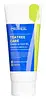 Key Ingredients
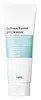
Benefits
Concerns
Ingredients Side-by-side
Water
Skin ConditioningLaureth-1 Phosphate
SurfactantGlycerin
Humectant


Lauryl Phosphate
EmulsifyingSodium Laureth Sulfate
Cleansing



PEG-120 Methyl Glucose Dioleate
Emulsifying

PPG-3 Caprylyl Ether
SolventLauryl Hydroxysultaine
CleansingGlycol Distearate
Emollient
Cetearyl Alcohol
Emollient



Melaleuca Alternifolia Leaf Extract
Perfuming
Citric Acid
Buffering

1,2-Hexanediol
Skin Conditioning
Glyceryl Stearate
Emollient
PEG-100 Stearate
Surfactant
PEG-160 Sorbitan Triisostearate
Cleansing
Alcohol Denat.
Antimicrobial
Sodium Chloride
MaskingSodium Methyl Cocoyl Taurate
Cleansing
Acrylates/C10-30 Alkyl Acrylate Crosspolymer
Emulsion StabilisingPotassium Hydroxide
BufferingDimethicone
Emollient
Butylene Glycol
Humectant
Caprylyl Glycol
Emollient
Melaleuca Alternifolia Leaf Oil
Antioxidant




Ethylhexylglycerin
Skin ConditioningDisodium EDTA
Acanthopanax Senticosus Root Extract
Skin ConditioningCentella Asiatica Extract
Cleansing



Panax Ginseng Root Extract
Emollient
Asparagus Cochinchinensis Root Extract
Skin ConditioningPolygonum Multiflorum Root Extract
Skin ConditioningLonicera Japonica Flower Extract
Skin ConditioningCamellia Japonica Seed Oil
Emollient
Water, Laureth-1 Phosphate, Glycerin, Lauryl Phosphate, Sodium Laureth Sulfate, PEG-120 Methyl Glucose Dioleate, PPG-3 Caprylyl Ether, Lauryl Hydroxysultaine, Glycol Distearate, Cetearyl Alcohol, Melaleuca Alternifolia Leaf Extract, Citric Acid, 1,2-Hexanediol, Glyceryl Stearate, PEG-100 Stearate, PEG-160 Sorbitan Triisostearate, Alcohol Denat., Sodium Chloride, Sodium Methyl Cocoyl Taurate, Acrylates/C10-30 Alkyl Acrylate Crosspolymer, Potassium Hydroxide, Dimethicone, Butylene Glycol, Caprylyl Glycol, Melaleuca Alternifolia Leaf Oil, Ethylhexylglycerin, Disodium EDTA, Acanthopanax Senticosus Root Extract, Centella Asiatica Extract, Panax Ginseng Root Extract, Asparagus Cochinchinensis Root Extract, Polygonum Multiflorum Root Extract, Lonicera Japonica Flower Extract, Camellia Japonica Seed Oil
Water
Skin ConditioningCoco-Betaine
Cleansing
Sodium Lauroyl Methyl Isethionate
CleansingArginine
Masking
Sodium Chloride
MaskingBetaine
Humectant
Acrylates/C10-30 Alkyl Acrylate Crosspolymer
Emulsion StabilisingHydroxyacetophenone
Antioxidant
Sodium Methyl Isethionate
EmulsifyingLauric Acid
Cleansing
Centella Asiatica Extract
Cleansing
Sodium Laurate
CleansingMelaleuca Alternifolia Leaf Oil
Antioxidant
Ethylhexylglycerin
Skin ConditioningAllantoin
Skin Conditioning
Disodium EDTA
1,2-Hexanediol
Skin Conditioning
Water, Coco-Betaine, Sodium Lauroyl Methyl Isethionate, Arginine, Sodium Chloride, Betaine, Acrylates/C10-30 Alkyl Acrylate Crosspolymer, Hydroxyacetophenone, Sodium Methyl Isethionate, Lauric Acid, Centella Asiatica Extract, Sodium Laurate, Melaleuca Alternifolia Leaf Oil, Ethylhexylglycerin, Allantoin, Disodium EDTA, 1,2-Hexanediol
Reviews
Ingredients Explained
These ingredients are found in both products.
Ingredients higher up in an ingredient list are typically present in a larger amount.
1,2-Hexanediol is a synthetic liquid and another multi-functional powerhouse.
It is a:
- Humectant, drawing moisture into the skin
- Emollient, helping to soften skin
- Solvent, dispersing and stabilizing formulas
- Preservative booster, enhancing the antimicrobial activity of other preservatives
Acrylates/C10-30 Alkyl Acrylate Crosspolymer is a synthetic polymer. It is used to thicken, emulsify, and improve the texture of products.
As an emulsifier, it helps stabilize oil-in-water emulsions to give products an elegant feel when applied.
It can also form a thin protective film on skin. One study found that a formula using this polymer helped slow down how quickly other ingredients (like DEET) were absorbed through skin.
A 2024 study of over 1,300 patients confirmed that sensitization to this ingredient is rare. It is also non-mutagenic and has a clean track record.
Learn more about Acrylates/C10-30 Alkyl Acrylate CrosspolymerCentella Asiatica Extract (Centella) is one of the most researched botanical extracts in skincare with decades of studies backing its effects on inflammation, collagen, and the skin barrier.
That research keeps pointing back to the same four triterpenoid saponins: Asiaticoside, Madecassoside, Asiatic Acid, and Madecassic Acid.
These compounds allow centella to dial back inflammation, encourage the skin to build and hold onto collagen, support the barrier and hydration, and bring solid antioxidant activity to protect against signs of aging.
Centella also carries a nice supporting cast of Vitamin A, vitamin C, several B vitamins, and amino acids. Put it all together and you get an ingredient that soothes, hydrates, and protects, all at once.
Most of centella's magic comes from the four big compounds (Asiaticoside, Madecassoside, Asiatic Acid, and Madecassic Acid). These are the actives doing the heavy lifting in almost every centella study.
Here is the short version of what they do in the skin:
So it is not just soothing for the sake of soothing. Centella calms the skin AND helps it rebuild.
Just FYI, not all centella on an ingredient list is the same. What you are getting actually depends on the extract:
Fun fact on the ratios: the leaves tend to be richest in Madecassoside and Asiaticoside, and lower in the two acids. The exact amounts shift with where the plant is grown and how it is processed. This means purity really does vary brand to brand.
Centella is one of the most easygoing actives out there.
It layers well with basically everything: niacinamide, hyaluronic acid, peptides, and vitamin C, and also pairs nicely with stronger actives like retinoids and exfoliating acids where it can help take the edge off irritation.
On the safety side, centella and its triterpenes are classified as weak sensitizers, meaning allergic reactions are possible but uncommon.
Patch tests at 1% and 5% came back negative in test panels, and creams at typical use levels did not cause allergic reactions across large groups of people.
But as with any new active, a patch test is still a smart move for very reactive skin.
Centella is widely used because it is effective at low percentages. For context, human safety testing found no meaningful irritation from creams containing centella extract at everyday use levels (the tested amounts were well under 1%).
The irritancy threshold in animal testing was also above 30% (so real-world formulas sit far below anything concerning).
In collagen lab studies, higher concentrations drove more collagen synthesis, so serums built around centella tend to feature it more prominently.
Bottom line: you will find centella working nicely anywhere from a fraction of a percent up to hero-ingredient levels depending on whether it is a supporting soother or the main event.
Fun fact: Centella has been used as a medicine and in food for many centuries. As a medicine, it is used to treat burns, scratches, and wounds.
Learn more about Centella Asiatica ExtractDisodium EDTA is a chelating agent. It grabs onto and deactivates metal ions that sneak into your products from water, packaging, or air.
This ingredient mainly works behind the scenes and helps with:
On top of that, this ingredient can counteract the effects of hard water by binding to the minerals in it.
One thing worth knowing is that Disodium EDTA has been shown to be a mild penetration enhancer. It can help other ingredients absorb into skin more effectively which can be a double-edged sword (great for actives, but can also make the active too strong if you have sensitive skin).
Clinical patch testing showed no significant skin irritation at typical use concentrations and minimal dermal absorption.
You'll most likely see this ingredient near the end of an ingredient list. It's typically found in concentrations less than 1%.
Learn more about Disodium EDTAEthylhexylglycerin is created from glycerin. It is a multitasker ingredient that:
The CIR Expert Panel found minimal skin absorption or sensitization of any kind in a safety assessment. Though this ingredient is considered well-tolerated, a small number of cases of allergic dermatitis have been published since 2002. Just be sure to patch test if you are unsure.
Industry-reported use ranges from 8% in rinse-off products and 2% in leave-on formulations.
Learn more about EthylhexylglycerinThis ingredient is also known as tea tree oil. It has antioxidant, anti-inflammatory, and antimicrobial properties.
Tea tree oil is a complex lipophilic (fat-loving) oil that contains around 100 compounds with terpinen-4-ol being the most abundant (~40%).
Terpinen-4-ol is responsible for tea tree oil's broad-spectrum antimicrobial activity and makes it a well-researched option for acne.
Clinical studies support 5% tea tree oil as an effective topical treatment for mild to moderate acne. A study with 124 patients compared 5% tea tree oil gel to 5% benzoyl peroxide and both reduced acne (though tea tree oil worked more slowly).
Besides acne, it is also seen in anti-dandruff shampoos and scalp treatments for it's antimicrobial and anti-seborrheic properties.
Safety-wise, the allergic potential of low concentrations on healthy skin is considered low. However, oxidized (old or improperly stored) tea tree oil is a stronger sensitizer.
Irritation can also occur if using the undiluted oil on skin; it's best to use this ingredient as part of a carefully crafted cosmetic formula. This is because regulations require tea tree oil in cosmetics to be stabilized to prevent degradation.
This ingredient has been deemed safe up to 2% in shampoo, 1% in cleansers, and 0.1% in face cream by the EU's Scientific Committee on Consumer Safety (SCCS).
There is some lab evidence that tea tree oil is antifungal against Malassezia, but it is a supportive option at best and not a replacement for proven antifungal treatments.
Learn more about Melaleuca Alternifolia Leaf OilChances are, you eat sodium chloride every day. Sodium Chloride is also known as table salt. This ingredient has many purposes in skincare: thickener, emulsifier, and exfoliator.
You'll most likely find this ingredient in cleansers where it is used to create a gel-like texture. As an emulsifier, it also prevents ingredients from separating.
You might see people debate whether Sodium Chloride is comedogenic, but there actually haven't been any comedogenic tests done on it. Either way, the overall formulation of a product matters a lot more than any single ingredient.
You might see this ingredient used in scrubs as a primary exfoliating ingredient.
Learn more about Sodium ChlorideWater. It's the most common cosmetic ingredient of all. You'll usually see it at the top of ingredient lists, meaning that it makes up the largest part of the product.
So why is it so popular? Water most often acts as a solvent - this means that it helps dissolve other ingredients into the formulation.
You'll also recognize water as that liquid we all need to stay alive. If you see this, drink a glass of water. Remember to stay hydrated!
Learn more about Water

