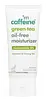
This oil-control moisturizer is formulated around Niacinamide and Camellia Sinensis Leaf Extract to balance excess oil and refine the look of pores.
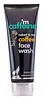
This mild gel cleanser is made to cleanse while calming and soothing your skin.

What's inside
What's inside
 Key Ingredients
Benefits
Concerns
Ingredients Side-by-side
Water
Skin ConditioningNiacinamide
Smoothing











Propylene Glycol
Humectant


Glycerin
Humectant
Camellia Sinensis Leaf Extract
Antimicrobial
Caffeine
Skin Conditioning
Hyaluronic Acid
Humectant
Aloe Barbadensis Extract
Skin Conditioning
Phenoxyethanol
Preservative
Ethylhexylglycerin
Skin ConditioningIsodecyl Neopentanoate
EmollientC15-19 Alkane
SolventMethylpropanediol
SolventMethyl Methacrylate Crosspolymer
Acrylates/C10-30 Alkyl Acrylate Crosspolymer
Emulsion StabilisingHydroxyethyl Acrylate/Sodium Acryloyldimethyl Taurate Copolymer
Emulsion StabilisingAcacia Senegal Gum
MaskingXanthan Gum
EmulsifyingPanthenol
Skin Conditioning
Sodium Gluconate
Skin ConditioningSodium Hydroxide
BufferingParfum
Masking


CI 19140
Cosmetic ColorantCI 42090
Cosmetic ColorantWater, Niacinamide, Propylene Glycol, Glycerin, Camellia Sinensis Leaf Extract, Caffeine, Hyaluronic Acid, Aloe Barbadensis Extract, Phenoxyethanol, Ethylhexylglycerin, Isodecyl Neopentanoate, C15-19 Alkane, Methylpropanediol, Methyl Methacrylate Crosspolymer, Acrylates/C10-30 Alkyl Acrylate Crosspolymer, Hydroxyethyl Acrylate/Sodium Acryloyldimethyl Taurate Copolymer, Acacia Senegal Gum, Xanthan Gum, Panthenol, Sodium Gluconate, Sodium Hydroxide, Parfum, CI 19140, CI 42090
Water
Skin ConditioningCapryloyl/Caproyl Methyl Glucamide
EmulsifyingLauroyl/Myristoyl Methyl Glucamide
EmollientCocamidopropyl Betaine
Cleansing
Glycerin
Humectant
Maltooligosyl Glucoside
Skin ConditioningHydrogenated Starch Hydrolysate
HumectantSodium Cocoyl Apple Amino Acids
Skin Conditioning
Caprylhydroxamic Acid
Caprylyl Glycol
Emollient
Polysorbate 60
Emulsifying
Acrylates/C10-30 Alkyl Acrylate Crosspolymer
Emulsion StabilisingTriethanolamine
BufferingCoffea Arabica Seed Extract 20%
Masking
Betaine
Humectant
Sodium Palmitoyl Proline
Skin ConditioningNymphaea Alba Flower Extract
Skin ConditioningParfum
Masking
Dictyopteris Membranacea Extract
Antioxidant
Aloe Barbadensis Sprout
HumectantCaffeine
Skin Conditioning
Sodium Gluconate
Skin ConditioningCitrus Limon Bud Extract
HumectantWater, Capryloyl/Caproyl Methyl Glucamide, Lauroyl/Myristoyl Methyl Glucamide, Cocamidopropyl Betaine, Glycerin, Maltooligosyl Glucoside, Hydrogenated Starch Hydrolysate, Sodium Cocoyl Apple Amino Acids, Caprylhydroxamic Acid, Caprylyl Glycol, Polysorbate 60, Acrylates/C10-30 Alkyl Acrylate Crosspolymer, Triethanolamine, Coffea Arabica Seed Extract 20%, Betaine, Sodium Palmitoyl Proline, Nymphaea Alba Flower Extract, Parfum, Dictyopteris Membranacea Extract, Aloe Barbadensis Sprout, Caffeine, Sodium Gluconate, Citrus Limon Bud Extract
Ingredients Explained
These ingredients are found in both products.
Ingredients higher up in an ingredient list are typically present in a larger amount.
Acrylates/C10-30 Alkyl Acrylate Crosspolymer is a synthetic polymer. It is used to thicken, emulsify, and improve the texture of products.
As an emulsifier, it helps stabilize oil-in-water emulsions to give products an elegant feel when applied.
It can also form a thin protective film on skin. One study found that a formula using this polymer helped slow down how quickly other ingredients (like DEET) were absorbed through skin.
A 2024 study of over 1,300 patients confirmed that sensitization to this ingredient is rare. It is also non-mutagenic and has a clean track record.
Learn more about Acrylates/C10-30 Alkyl Acrylate CrosspolymerCaffeine is a naturally occurring plant compound found in coffee beans, tea leaves, cocoa pods, and guarana.
As an antioxidant, caffeine protects your skin from free radical damage caused by UV exposure and envionrmnetal stressors.
Early research also shows that caffeine can help calm redness, soothe irritated skin, and support hair growth by stimulating microcirculation in the scalp.
You might have seen eye creams marketing caffeine as a depuffing ingredient. This is because it is a vasoconstrictor meaning it can temporarily constrict blood vessels, though clinical evidence for this specific use is still limited.
Most skincare products contain this ingredient at concentrations between 1-6%. It is able to penetrate skin easily regardless of skin type or thickness.
Just so you know, a very small number of case reports describe caffeine-induced allergy. This ingredient is generally well-tolerated, non-irritating, and non-sensitizing for the majority of people.
Learn more about CaffeineGlycerin (or glycerol) is a compound naturally found in your skin. It's a powerhouse humectant that pulls water into the stratum corneum.
Topically, glycerin does several things at once:
Your skin makes glycerin on its own (mostly from sebaceous oil breakdown) and shuttles it to your outermost layer of skin, or your epidermis, via aquaporin-3.
Aquaporin-3 is a transporter that is essential for normal skin hydration, elasticity, and repair. Interestingly, mice lacking in AQP3 have dry and less elastic skin that can be fully corrected with glycerin.
This ingredient is non-irritating, plays well with almost every ingredient, and works across all skin types. Typical use is anywhere between 3-10% but can go up to 79% in some leave-on products.
Just know very high concentrations (>40%) can feel tacky in low humidity.
Glycerin is the name for this ingredient in American English. British English uses Glycerol/Glycerine.
Learn more about GlycerinParfum is a catch-all term for an ingredient or more that is used to give a scent to products.
Also called "fragrance", this ingredient can be a blend of hundreds of chemicals or plant oils. This means every product with "fragrance" or "parfum" in the ingredients list is a different mixture.
For instance, Habanolide is a proprietary trade name for a specific aroma chemical. When used as a fragrance ingredient in cosmetics, most aroma chemicals fall under the broad labeling category of “FRAGRANCE” or “PARFUM” according to EU and US regulations.
The term 'parfum' or 'fragrance' is not regulated in many countries. In many cases, it is up to the brand to define this term.
For instance, many brands choose to label themselves as "fragrance-free" because they are not using synthetic fragrances. However, their products may still contain ingredients such as essential oils that are considered a fragrance by INCI standards.
One example is Calendula flower extract. Calendula is an essential oil that still imparts a scent or 'fragrance'.
Depending on the blend, the ingredients in the mixture can cause allergies and sensitivities on the skin. Some ingredients that are known EU allergens include linalool and citronellol.
Parfum can also be used to mask or cover an unpleasant scent.
The bottom line is: not all fragrances/parfum/ingredients are created equally. If you are worried about fragrances, we recommend taking a closer look at an ingredient. And of course, we always recommend speaking with a professional.
Learn more about ParfumThis is the synthetic salt of gluconic acid, a form of PHA and mild exfoliant.
It is mainly used to stabilize oil and butter formulations from going bad. Sodium gluconate is a humectant, pH regulator, and chelating agent.
Chelating agents help neutralize unwanted metals from affecting the formulation.
Sodium gluconate is water-soluble.
Learn more about Sodium GluconateWater. It's the most common cosmetic ingredient of all. You'll usually see it at the top of ingredient lists, meaning that it makes up the largest part of the product.
So why is it so popular? Water most often acts as a solvent - this means that it helps dissolve other ingredients into the formulation.
You'll also recognize water as that liquid we all need to stay alive. If you see this, drink a glass of water. Remember to stay hydrated!
Learn more about Water

