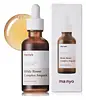
This barrier-repair ampoule is formulated around Bifida Ferment Lysate and Niacinamide to strengthen the skin barrier and soften the look of wrinkles.
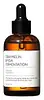
This barrier-repair serum is formulated around Bifida Ferment Filtrate to strengthen the skin barrier.

What's inside
What's inside
 Key Ingredients
No key ingredients
Benefits
Concerns
No concerns
Ingredients Side-by-side
Water
Skin ConditioningButylene Glycol
Humectant

Bifida Ferment Lysate
Skin Conditioning

Glycerin
Humectant
Niacinamide
Smoothing







1,2-Hexanediol
Skin Conditioning
Pentylene Glycol
Skin Conditioning
Squalane
Emollient
Polyglyceryl-10 Laurate
Skin Conditioning

Bifida Ferment Filtrate
Skin Conditioning
Lactobacillus Ferment Lysate
Skin Conditioning
Lactococcus Ferment Lysate
Skin Conditioning
Saccharomyces Ferment Filtrate
Humectant
Carbomer
Emulsion StabilisingHydrogenated Lecithin
Emulsifying
Tromethamine
BufferingXanthan Gum
EmulsifyingPropanediol
Solvent
Ethylhexylglycerin
Skin ConditioningAdenosine
Skin Conditioning
Dextrin
AbsorbentTheobroma Cacao Seed Extract
Antioxidant
Sodium Hyaluronate
Humectant
Sodium Phytate
Lactobacillus/Pumpkin Fruit Ferment Filtrate
Skin ConditioningCutibacterium Granulosum Ferment Extract Filtrate
EmollientCaffeine
Skin Conditioning
Leontopodium Alpinum Callus Culture Extract
Antioxidant
Physalis Alkekengi Calyx Extract
Skin ConditioningHydrolyzed Algin
Aureobasidium Pullulans Ferment
Skin ConditioningEpigallocatechin Gallate
Antioxidant
Benzyl Glycol
SolventHydrolyzed Glycosaminoglycans
HumectantAsiatic Acid
Skin Conditioning
Asiaticoside
Antioxidant
Madecassic Acid
Skin Conditioning
Hydroxypropyltrimonium Hyaluronate
Sodium Hyaluronate Crosspolymer
Humectant
Hydrolyzed Hyaluronic Acid
Humectant
Sodium Acetylated Hyaluronate
Humectant
Hyaluronic Acid
Humectant
Copper Tripeptide-1
Skin Conditioning
Hydrolyzed Sodium Hyaluronate
Skin Conditioning
Acetyl Hexapeptide-8
Humectant
Potassium Hyaluronate
Skin ConditioningWater, Butylene Glycol, Bifida Ferment Lysate, Glycerin, Niacinamide, 1,2-Hexanediol, Pentylene Glycol, Squalane, Polyglyceryl-10 Laurate, Bifida Ferment Filtrate, Lactobacillus Ferment Lysate, Lactococcus Ferment Lysate, Saccharomyces Ferment Filtrate, Carbomer, Hydrogenated Lecithin, Tromethamine, Xanthan Gum, Propanediol, Ethylhexylglycerin, Adenosine, Dextrin, Theobroma Cacao Seed Extract, Sodium Hyaluronate, Sodium Phytate, Lactobacillus/Pumpkin Fruit Ferment Filtrate, Cutibacterium Granulosum Ferment Extract Filtrate, Caffeine, Leontopodium Alpinum Callus Culture Extract, Physalis Alkekengi Calyx Extract, Hydrolyzed Algin, Aureobasidium Pullulans Ferment, Epigallocatechin Gallate, Benzyl Glycol, Hydrolyzed Glycosaminoglycans, Asiatic Acid, Asiaticoside, Madecassic Acid, Hydroxypropyltrimonium Hyaluronate, Sodium Hyaluronate Crosspolymer, Hydrolyzed Hyaluronic Acid, Sodium Acetylated Hyaluronate, Hyaluronic Acid, Copper Tripeptide-1, Hydrolyzed Sodium Hyaluronate, Acetyl Hexapeptide-8, Potassium Hyaluronate
Reviews
Ingredients Explained
These ingredients are found in both products.
Ingredients higher up in an ingredient list are typically present in a larger amount.
1,2-Hexanediol is a synthetic liquid and another multi-functional powerhouse.
It is a:
- Humectant, drawing moisture into the skin
- Emollient, helping to soften skin
- Solvent, dispersing and stabilizing formulas
- Preservative booster, enhancing the antimicrobial activity of other preservatives
This ingredient is a postbiotic made by fermenting Bifidobacterium (a probiotic bacteria) and then filtering out the liquid portion. It has skin conditioning properties.
Much of the evidence for this ingredient is borrowed from the lysate form of this ingredient, which has a much stronger research base.
This ingredient is generally considered fungal acne (Malassezia) safe; Bifidobacterium is a bacterium, not a yeast or fungus.
The fungal acne concern with fermented ingredients mainly applies to yeast-derived ferments like Saccharomyces and Galactomyces, because those are in the same kingdom as Malassezia and could theoretically contain residual compounds that feed it.
Bifida is a completely different organism, so on its own it doesn't provide a food source for the Malassezia yeast that causes fungal acne.
Learn more about Bifida Ferment Filtrate

