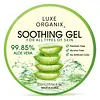
This calming moisturizer is formulated around Aloe Barbadensis Leaf Juice and Centella Asiatica Extract to calm redness and hydrate skin.
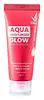
This brightening moisturizer is formulated around Niacinamide and Sodium Hyaluronate to brighten dull-looking skin and hydrate skin.


What's inside
What's inside
 Key Ingredients
Benefits
Concerns
Ingredients Side-by-side
Aloe Barbadensis Leaf Juice
Skin Conditioning


Water
Skin ConditioningGlycerin
Humectant

Carbomer
Emulsion StabilisingTriethanolamine
BufferingPhenoxyethanol
Preservative
Chlorphenesin
Antimicrobial
PEG-60 Hydrogenated Castor Oil
Emulsifying


Parfum
Masking



Centella Asiatica Extract
Cleansing

Lavandula Angustifolia Flower
Skin Conditioning
Rosmarinus Officinalis Leaf Extract
AntimicrobialChamomilla Recutita Flower Extract
Masking
Salvia Officinalis Leaf Extract
CleansingSodium Hyaluronate
Humectant
Aloe Barbadensis Leaf Juice, Water, Glycerin, Carbomer, Triethanolamine, Phenoxyethanol, Chlorphenesin, PEG-60 Hydrogenated Castor Oil, Parfum, Centella Asiatica Extract, Lavandula Angustifolia Flower, Rosmarinus Officinalis Leaf Extract, Chamomilla Recutita Flower Extract, Salvia Officinalis Leaf Extract, Sodium Hyaluronate
Rubus Fruticosus Fruit Extract
AstringentRubus Idaeus Fruit Extract
AstringentFragaria Chiloensis Fruit Extract
Skin Conditioning
Vaccinium Angustifolium Fruit Extract
Skin Protecting
Vaccinium Macrocarpon Fruit Extract
AstringentRibes Nigrum Fruit Extract
Astringent
Euterpe Oleracea Fruit Extract
Morus Nigra Fruit Extract
Skin ConditioningVaccinium Myrtillus Fruit Extract
Skin ConditioningLycium Chinense Fruit Extract
Antioxidant
Cyclopentasiloxane
Emollient
Glycerin
Humectant
PEG-10 Dimethicone/Vinyl Dimethicone Crosspolymer
Stabilising
Cyclohexasiloxane
Emollient
Niacinamide
Smoothing





Magnesium Sulfate
Sodium Hyaluronate
Humectant
Ananas Sativus Fruit Water
Skin ConditioningAnanas Sativus Fruit Extract
Skin ConditioningAnanas Sativus Fruit Juice
Skin ConditioningAscorbyl Tetraisopalmitate
Antioxidant
Allantoin
Skin Conditioning
Ethylhexyl Methoxycinnamate
UV Absorber

Butylene Glycol
Humectant
Panthenol
Skin Conditioning
Tocopheryl Acetate
Antioxidant
Dimethiconol
Emollient
Phenoxyethanol
Preservative
Chlorphenesin
Antimicrobial
CI 16035
Cosmetic ColorantParfum
Masking
Rubus Fruticosus Fruit Extract, Rubus Idaeus Fruit Extract, Fragaria Chiloensis Fruit Extract, Vaccinium Angustifolium Fruit Extract, Vaccinium Macrocarpon Fruit Extract, Ribes Nigrum Fruit Extract, Euterpe Oleracea Fruit Extract, Morus Nigra Fruit Extract, Vaccinium Myrtillus Fruit Extract, Lycium Chinense Fruit Extract, Cyclopentasiloxane, Glycerin, PEG-10 Dimethicone/Vinyl Dimethicone Crosspolymer, Cyclohexasiloxane, Niacinamide, Magnesium Sulfate, Sodium Hyaluronate, Ananas Sativus Fruit Water, Ananas Sativus Fruit Extract, Ananas Sativus Fruit Juice, Ascorbyl Tetraisopalmitate, Allantoin, Ethylhexyl Methoxycinnamate, Butylene Glycol, Panthenol, Tocopheryl Acetate, Dimethiconol, Phenoxyethanol, Chlorphenesin, CI 16035, Parfum
Reviews
Ingredients Explained
These ingredients are found in both products.
Ingredients higher up in an ingredient list are typically present in a larger amount.
Chlorphenesin is a synthetic preservative. It helps protect a product against bacteria in order to extend shelf life. In most cases, Chlorphenesin is paired with other preservatives such as phenoxyethanol and caprylyl glycol.
Chlorphenesin is a biocide. This means it is able to help fight the microorganisms on our skin. It is also able to fight odor-releasing bacteria.
Chlorphenesin is soluble in both water and glycerin.
Studies show Chlorphenesin is easily absorbed by our skin. You should speak with a skincare professional if you have concerns about using Chlorphenesin.
Learn more about ChlorphenesinGlycerin (or glycerol) is a compound naturally found in your skin. It's a powerhouse humectant that pulls water into the stratum corneum.
Topically, glycerin does several things at once:
Your skin makes glycerin on its own (mostly from sebaceous oil breakdown) and shuttles it to your outermost layer of skin, or your epidermis, via aquaporin-3.
Aquaporin-3 is a transporter that is essential for normal skin hydration, elasticity, and repair. Interestingly, mice lacking in AQP3 have dry and less elastic skin that can be fully corrected with glycerin.
This ingredient is non-irritating, plays well with almost every ingredient, and works across all skin types. Typical use is anywhere between 3-10% but can go up to 79% in some leave-on products.
Just know very high concentrations (>40%) can feel tacky in low humidity.
Glycerin is the name for this ingredient in American English. British English uses Glycerol/Glycerine.
Learn more about GlycerinParfum is a catch-all term for an ingredient or more that is used to give a scent to products.
Also called "fragrance", this ingredient can be a blend of hundreds of chemicals or plant oils. This means every product with "fragrance" or "parfum" in the ingredients list is a different mixture.
For instance, Habanolide is a proprietary trade name for a specific aroma chemical. When used as a fragrance ingredient in cosmetics, most aroma chemicals fall under the broad labeling category of “FRAGRANCE” or “PARFUM” according to EU and US regulations.
The term 'parfum' or 'fragrance' is not regulated in many countries. In many cases, it is up to the brand to define this term.
For instance, many brands choose to label themselves as "fragrance-free" because they are not using synthetic fragrances. However, their products may still contain ingredients such as essential oils that are considered a fragrance by INCI standards.
One example is Calendula flower extract. Calendula is an essential oil that still imparts a scent or 'fragrance'.
Depending on the blend, the ingredients in the mixture can cause allergies and sensitivities on the skin. Some ingredients that are known EU allergens include linalool and citronellol.
Parfum can also be used to mask or cover an unpleasant scent.
The bottom line is: not all fragrances/parfum/ingredients are created equally. If you are worried about fragrances, we recommend taking a closer look at an ingredient. And of course, we always recommend speaking with a professional.
Learn more about ParfumPhenoxyethanol is one of the most widely used preservatives in skincare (and for good reason!).
It has a large spectrum of antimicrobial activity and especially effective bacteria, yeast, and mold while only having a weak effect on your skin's natural microbiome.
On a cellular level, it disrupts the cell membranes of microbes by poking holes that make the cell leak. This shuts down the chemical reactions the microbe needs to make energy so it can no longer survive.
Another perk of this ingredient is that it stays functional across a wide pH range (3-10).
You'll often see it paired with boosters like Ethylhexylglycerin; one study showed that a 1:9 ratio of Ethylhexylglycerin to Phenoxyethanol damages bacterial membranes as effectively as doubling the Phenoxyethanol concentration on its own.
Typical use concentrations range from 0.3-1% depending on the formula, and this ingredient is capped at 1% int the EU.
Safety-wise, the fear mongering does not hold up to the evidence. The EU's Scientific Committee on Consumer Safety and FDA consider it safe as a preservative at up to 1%, including for children of all ages.
Adverse systemic effects only showed up in animal studies at exposures roughly 200x higher than what people get from cosmetics. And despite its very widespread use, this ingredient is a rare sensitizer and allergic reactions are uncommon.
Learn more about PhenoxyethanolSodium Hyaluronate is the salt form of hyaluronic acid. It is a long sugar chain that is naturally found in your skin, joints, and connective tissue that maintains hydration and elasticity.
In skincare, it works as a humectant. It pulls water from the environment and deeper layers of skin and binds it to the surface.
Interestingly, the size of the molecule affects its behavior:
Some clinical evidence links low molecular weight versions to improved wrinkle depth, elasticity, anti-inflammatory effects, and barrier repair.
Many serums use a blend of both weights so you can get surface hydration plus longer-lasting and deeper effects.
You'll typically see concentrations between 0.1-2% for this ingredient.
Learn more about Sodium Hyaluronate

