LUSH Imperialis Moisturizer Versus La Roche-Posay Hydraphase HA Light Hyaluronic Acid Face Moisturizer
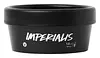
This barrier-repair moisturizer is formulated around Olea Europaea Fruit Oil and Butyrospermum Parkii Butter to strengthen the skin barrier and hydrate skin.
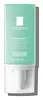
This barrier-repair moisturizer is formulated around Sodium Hyaluronate and Hydrolyzed Hyaluronic Acid to strengthen the skin barrier and hydrate skin.


What's inside
What's inside
 Key Ingredients
No key ingredients
Benefits
Concerns
Ingredients Side-by-side
Lavandula Angustifolia Flower
Skin Conditioning
Verbascum Thapsus Leaf Extract
Skin ConditioningOlea Europaea Fruit Oil
Masking






Citrus Aurantium Amara Flower Water
MaskingStearic Acid
Cleansing
Butyrospermum Parkii Butter
Skin Conditioning
Theobroma Cacao Seed Butter
Emollient
Glycerin
Humectant
Cetearyl Alcohol
Emollient

Citrus Aurantium Amara Flower Extract
RefreshingLilium Candidum Bulb Extract
Skin ConditioningHypericum Perforatum Extract
AntimicrobialSambucus Nigra Flower Extract
RefreshingViola Odorata Extract
Skin ConditioningHelianthus Annuus Flower Extract
Skin ConditioningIndigofera Tinctoria Extract
MaskingAlcohol Denat.
Antimicrobial

Triethanolamine
BufferingMethylparaben
Preservative


Parfum
Masking
Propylparaben
Preservative
Lavandula Angustifolia Flower, Verbascum Thapsus Leaf Extract, Olea Europaea Fruit Oil, Citrus Aurantium Amara Flower Water, Stearic Acid, Butyrospermum Parkii Butter, Theobroma Cacao Seed Butter, Glycerin, Cetearyl Alcohol, Citrus Aurantium Amara Flower Extract, Lilium Candidum Bulb Extract, Hypericum Perforatum Extract, Sambucus Nigra Flower Extract, Viola Odorata Extract, Helianthus Annuus Flower Extract, Indigofera Tinctoria Extract, Alcohol Denat., Triethanolamine, Methylparaben, Parfum, Propylparaben
Water
Skin ConditioningGlycerin
Humectant
Caprylic/Capric Triglyceride
Masking
Lauroyl Lysine
Skin Conditioning
C15-19 Alkane
SolventMyristyl Myristate
Emollient
Ammonium Polyacryloyldimethyl Taurate
Emulsion StabilisingStearic Acid
Cleansing
Potassium Cetyl Phosphate
EmulsifyingGlyceryl Stearate Se
Emulsifying
Sodium Hyaluronate
Humectant


Sodium Hydroxide
BufferingMyristic Acid
Cleansing
Palmitic Acid
Emollient
Hydrolyzed Hyaluronic Acid
Humectant
Capryloyl Glycine
CleansingCaprylyl Glycol
Emollient
Xanthan Gum
EmulsifyingPentaerythrityl Tetra-Di-T-Butyl Hydroxyhydrocinnamate
Antioxidant
Parfum
Masking
Water, Glycerin, Caprylic/Capric Triglyceride, Lauroyl Lysine, C15-19 Alkane, Myristyl Myristate, Ammonium Polyacryloyldimethyl Taurate, Stearic Acid, Potassium Cetyl Phosphate, Glyceryl Stearate Se, Sodium Hyaluronate, Sodium Hydroxide, Myristic Acid, Palmitic Acid, Hydrolyzed Hyaluronic Acid, Capryloyl Glycine, Caprylyl Glycol, Xanthan Gum, Pentaerythrityl Tetra-Di-T-Butyl Hydroxyhydrocinnamate, Parfum
Reviews
Ingredients Explained
These ingredients are found in both products.
Ingredients higher up in an ingredient list are typically present in a larger amount.
Glycerin (or glycerol) is a compound naturally found in your skin. It's a powerhouse humectant that pulls water into the stratum corneum.
Topically, glycerin does several things at once:
Your skin makes glycerin on its own (mostly from sebaceous oil breakdown) and shuttles it to your outermost layer of skin, or your epidermis, via aquaporin-3.
Aquaporin-3 is a transporter that is essential for normal skin hydration, elasticity, and repair. Interestingly, mice lacking in AQP3 have dry and less elastic skin that can be fully corrected with glycerin.
This ingredient is non-irritating, plays well with almost every ingredient, and works across all skin types. Typical use is anywhere between 3-10% but can go up to 79% in some leave-on products.
Just know very high concentrations (>40%) can feel tacky in low humidity.
Glycerin is the name for this ingredient in American English. British English uses Glycerol/Glycerine.
Learn more about GlycerinParfum is a catch-all term for an ingredient or more that is used to give a scent to products.
Also called "fragrance", this ingredient can be a blend of hundreds of chemicals or plant oils. This means every product with "fragrance" or "parfum" in the ingredients list is a different mixture.
For instance, Habanolide is a proprietary trade name for a specific aroma chemical. When used as a fragrance ingredient in cosmetics, most aroma chemicals fall under the broad labeling category of “FRAGRANCE” or “PARFUM” according to EU and US regulations.
The term 'parfum' or 'fragrance' is not regulated in many countries. In many cases, it is up to the brand to define this term.
For instance, many brands choose to label themselves as "fragrance-free" because they are not using synthetic fragrances. However, their products may still contain ingredients such as essential oils that are considered a fragrance by INCI standards.
One example is Calendula flower extract. Calendula is an essential oil that still imparts a scent or 'fragrance'.
Depending on the blend, the ingredients in the mixture can cause allergies and sensitivities on the skin. Some ingredients that are known EU allergens include linalool and citronellol.
Parfum can also be used to mask or cover an unpleasant scent.
The bottom line is: not all fragrances/parfum/ingredients are created equally. If you are worried about fragrances, we recommend taking a closer look at an ingredient. And of course, we always recommend speaking with a professional.
Learn more about ParfumStearic Acid is a fatty acid that is already found in your skin. It's one of the free fatty acids that works alongside ceramides and cholesterols to maintain your barrier.
In cosmetics, it is a multitasker:
Safety-wise, the CIR Expert Panel has concluded it to be safe in cosmetics when formulated to be non-irritating and non-sensitizing.
Free stearic acid is a C18 fatty acid that the Malassezia yeast can substrate, so this ingredient may not be fungal acne safe.
This ingredient does have a comedogenic rating of 2-3, but this doesn't mean a formula with this ingredient will clog pores.
Human testing has proved that any finished product with this ingredient won't automatically make you break out; it really comes down to concentration, formula, and your skin.
Learn more about Stearic Acid

