
What's inside
What's inside
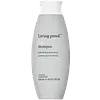 Key Ingredients
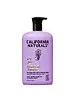
Benefits
Concerns
Ingredients Side-by-side
Water
Skin ConditioningSodium Methyl Cocoyl Taurate
Cleansing
Cocamidopropyl Hydroxysultaine
Cleansing
Decyl Glucoside
Cleansing
Sodium Lauroyl Lactylate
EmulsifyingSodium Cocoyl Glycinate
Cleansing
Maltooligosyl Glucoside
Skin ConditioningLinoleamidopropyl Pg-Dimonium Chloride Phosphate
Amaranthus Caudatus Seed Extract
Skin Conditioning
Sodium Cocoyl Isethionate
Cleansing
Ceteareth-60 Myristyl Glycol
EmulsifyingCassia Hydroxypropyltrimonium Chloride
Hydrogenated Starch Hydrolysate
HumectantFurcellaria Lumbricalis Extract
Skin ConditioningPolyquaternium-47
Skin ConditioningPhytantriol
HumectantHydroxyacetophenone
Antioxidant
PPG-2 Hydroxyethyl Cocamide
Emulsifying
PEG-150 Pentaerythrityl Tetrastearate
Emulsifying

Trisodium Ethylenediamine Disuccinate
ChelatingSodium Benzoate
Masking
Citric Acid
Buffering

Parfum
Masking



Linalool
Perfuming
Hexyl Cinnamal
Perfuming
Citronellol
Perfuming
Limonene
Perfuming
Water, Sodium Methyl Cocoyl Taurate, Cocamidopropyl Hydroxysultaine, Decyl Glucoside, Sodium Lauroyl Lactylate, Sodium Cocoyl Glycinate, Maltooligosyl Glucoside, Linoleamidopropyl Pg-Dimonium Chloride Phosphate, Amaranthus Caudatus Seed Extract, Sodium Cocoyl Isethionate, Ceteareth-60 Myristyl Glycol, Cassia Hydroxypropyltrimonium Chloride, Hydrogenated Starch Hydrolysate, Furcellaria Lumbricalis Extract, Polyquaternium-47, Phytantriol, Hydroxyacetophenone, PPG-2 Hydroxyethyl Cocamide, PEG-150 Pentaerythrityl Tetrastearate, Trisodium Ethylenediamine Disuccinate, Sodium Benzoate, Citric Acid, Parfum, Linalool, Hexyl Cinnamal, Citronellol, Limonene
Water
Skin ConditioningCocamidopropyl Hydroxysultaine
Cleansing
Sodium Methyl 2-Sulfolaurate
CleansingDisodium 2-Sulfolaurate
CleansingSodium Lauroyl Methyl Isethionate
CleansingCoco-Glucoside
Cleansing
Glycerin
Humectant

Aloe Barbadensis Leaf Juice
Skin Conditioning

Saccharomyces/Rice Ferment Filtrate
Skin Conditioning
Hydrolyzed Rice Protein
Skin ConditioningSoy Amino Acids
Skin ConditioningSodium Hyaluronate
Humectant

Melia Azadirachta Flower Extract
Skin ConditioningCoccinia Indica Fruit Extract
Skin Conditioning
Argania Spinosa Kernel Oil
Emollient


Ricinus Communis Seed Oil
Masking
Butyrospermum Parkii Butter
Skin Conditioning

Simmondsia Chinensis Seed Oil
Emollient
Panthenol
Skin Conditioning
Allantoin
Skin Conditioning
Glycol Distearate
Emollient
Sodium Benzoate
Masking
Potassium Sorbate
Preservative
Ethylhexylglycerin
Skin ConditioningGuar Hydroxypropyltrimonium Chloride
Skin ConditioningAroma
Water, Cocamidopropyl Hydroxysultaine, Sodium Methyl 2-Sulfolaurate, Disodium 2-Sulfolaurate, Sodium Lauroyl Methyl Isethionate, Coco-Glucoside, Glycerin, Aloe Barbadensis Leaf Juice, Saccharomyces/Rice Ferment Filtrate, Hydrolyzed Rice Protein, Soy Amino Acids, Sodium Hyaluronate, Melia Azadirachta Flower Extract, Coccinia Indica Fruit Extract, Argania Spinosa Kernel Oil, Ricinus Communis Seed Oil, Butyrospermum Parkii Butter, Simmondsia Chinensis Seed Oil, Panthenol, Allantoin, Glycol Distearate, Sodium Benzoate, Potassium Sorbate, Ethylhexylglycerin, Guar Hydroxypropyltrimonium Chloride, Aroma
Reviews
Ingredients Explained
These ingredients are found in both products.
Ingredients higher up in an ingredient list are typically present in a larger amount.
Cocamidopropyl Hydroxysultaine is a synthetic cleansing agent, though it is derived from coconut oil.
It is used to enhance the texture of products by boosting lather and thickening the texture. As a cleanser, Cocamidopropyl Hydroxysultaine is mild.
Sodium Benzoate is a preservative. It's used in both cosmetic and food products to inhibit the growth of mold and bacteria. It is typically produced synthetically.
Both the US FDA and EU Health Committee have approved the use of sodium benzoate. In the US, levels of 0.1% (of the total product) are allowed.
Sodium benzoate works as a preservative by inhibiting the growth of bacteria inside of cells. It prevents the cell from fermenting a type of sugar using an enzyme called phosphofructokinase.
It is the salt of benzoic acid. Foods containing sodium benzoate include soda, salad dressings, condiments, fruit juices, wines, and snack foods.
Studies for using ascorbic acid and sodium benzoate in cosmetics are lacking, especially in skincare routines with multiple steps.
We always recommend speaking with a professional, such as a dermatologist, if you have any concerns.
Learn more about Sodium BenzoateWater. It's the most common cosmetic ingredient of all. You'll usually see it at the top of ingredient lists, meaning that it makes up the largest part of the product.
So why is it so popular? Water most often acts as a solvent - this means that it helps dissolve other ingredients into the formulation.
You'll also recognize water as that liquid we all need to stay alive. If you see this, drink a glass of water. Remember to stay hydrated!
Learn more about Water

