Lindsay&Cos Soothing Herb Modeling Mask Powder Versus AXIS - Y Mugwort Pore Clarifying Wash Off Pack
This wash off mask is made with Centella Asiatica Extract for a rinse-off calming boost.
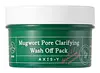
This wash off mask is made with Artemisia Princeps Extract and Kaolin for a rinse-off pore-care boost.

What's inside
What's inside
 Key Ingredients
Benefits
Concerns
No concerns
Ingredients Side-by-side
Diatomaceous Earth
Abrasive

Glucose
Humectant

CI 77231
Cosmetic ColorantAlgin
MaskingTetrasodium Pyrophosphate
BufferingMagnesium Oxide
AbsorbentArtemisia Caruifolia Powder
Abrasive
Cellulose Gum
Emulsion StabilisingChlorella Vulgaris Powder
Skin ConditioningTheobroma Cacao Fruit Powder
Skin ConditioningArtemisia Princeps Leaf Extract
Skin ConditioningHouttuynia Cordata Powder
Skin ConditioningSolanum Melongena Fruit Extract
Skin ConditioningCentella Asiatica Extract
Cleansing




Camellia Sinensis Leaf
Perfuming

Camellia Sinensis Leaf Powder
Camellia Sinensis Leaf Extract
Antimicrobial

Portulaca Oleracea Extract
Skin Conditioning
Opuntia Coccinellifera Flower Extract
Skin ConditioningAloe Barbadensis Leaf Juice Powder
Skin Conditioning
Pinus Densiflora Leaf Extract
Antimicrobial
Camellia Japonica Leaf Extract
Skin ConditioningPaeonia Lactiflora Extract
AstringentGlycyrrhiza Glabra Root Powder
Skin ConditioningAllantoin
Skin Conditioning
Betaine
Humectant
Kaolin
Abrasive
Maltodextrin
Absorbent
Dehydroacetic Acid
Preservative
Diatomaceous Earth, Glucose, CI 77231, Algin, Tetrasodium Pyrophosphate, Magnesium Oxide, Artemisia Caruifolia Powder, Cellulose Gum, Chlorella Vulgaris Powder, Theobroma Cacao Fruit Powder, Artemisia Princeps Leaf Extract, Houttuynia Cordata Powder, Solanum Melongena Fruit Extract, Centella Asiatica Extract, Camellia Sinensis Leaf, Camellia Sinensis Leaf Powder, Camellia Sinensis Leaf Extract, Portulaca Oleracea Extract, Opuntia Coccinellifera Flower Extract, Aloe Barbadensis Leaf Juice Powder, Pinus Densiflora Leaf Extract, Camellia Japonica Leaf Extract, Paeonia Lactiflora Extract, Glycyrrhiza Glabra Root Powder, Allantoin, Betaine, Kaolin, Maltodextrin, Dehydroacetic Acid
Artemisia Princeps Extract
Skin Conditioning
Kaolin
Abrasive
Dipropylene Glycol
HumectantBentonite
Absorbent
Betaine
Humectant
Phaseolus Angularis Seed Powder
Laminaria Japonica Extract
Skin Protecting
Eclipta Prostrata Leaf Extract
Skin ConditioningAvena Sativa Kernel Extract
Abrasive
Pteris Multifida Extract
Antioxidant
Cynara Scolymus Leaf Extract
Skin ConditioningGlycyrrhiza Uralensis Root Extract
Skin Conditioning
Vigna Radiata Seed Extract
Skin ConditioningHouttuynia Cordata Extract
Skin Conditioning
Cryptomeria Japonica Leaf Extract
HumectantNelumbo Nucifera Leaf Extract
Skin ConditioningHydrogenated Lecithin
Emulsifying
Sodium Hyaluronate
Humectant
1,2-Hexanediol
Skin Conditioning
Methylpropanediol
SolventXanthan Gum
EmulsifyingGlycerin
Humectant
Chromium Oxide Greens
Charcoal Powder
Abrasive
Water
Skin ConditioningBeta-Glucan
Skin Conditioning
Polyquaternium-51
Skin Conditioning
Fructooligosaccharides
Humectant
Allantoin
Skin Conditioning
Hydrolyzed Hyaluronic Acid
Humectant
Butylene Glycol
Humectant
Camellia Sinensis Leaf Powder
Saccharomyces Ferment Filtrate
Humectant

Hydroxyacetophenone
Antioxidant
Ethylhexylglycerin
Skin ConditioningRosmarinus Officinalis Leaf Oil
Masking
Artemisia Princeps Extract, Kaolin, Dipropylene Glycol, Bentonite, Betaine, Phaseolus Angularis Seed Powder, Laminaria Japonica Extract, Eclipta Prostrata Leaf Extract, Avena Sativa Kernel Extract, Pteris Multifida Extract, Cynara Scolymus Leaf Extract, Glycyrrhiza Uralensis Root Extract, Vigna Radiata Seed Extract, Houttuynia Cordata Extract, Cryptomeria Japonica Leaf Extract, Nelumbo Nucifera Leaf Extract, Hydrogenated Lecithin, Sodium Hyaluronate, 1,2-Hexanediol, Methylpropanediol, Xanthan Gum, Glycerin, Chromium Oxide Greens, Charcoal Powder, Water, Beta-Glucan, Polyquaternium-51, Fructooligosaccharides, Allantoin, Hydrolyzed Hyaluronic Acid, Butylene Glycol, Camellia Sinensis Leaf Powder, Saccharomyces Ferment Filtrate, Hydroxyacetophenone, Ethylhexylglycerin, Rosmarinus Officinalis Leaf Oil
Reviews
Ingredients Explained
These ingredients are found in both products.
Ingredients higher up in an ingredient list are typically present in a larger amount.
Allantoin is a soothing ingredient known for its protective and moisturizing properties; it's basically a quiet workhorse ingredient you can find in a huge range of cosmetics.
Though it can be derived from the comfrey plant, allantoin is produced synthetically for cosmetic products to ensure purity.
Research shows it can encourage your skin cells to turn over and renew by stimulating keratinocyte and fibroblast proliferation.
It also has mild keratolytic properties to help loosen and shed dead skin cells without being harsh.
Studies also suggest allantoin can help calm inflammation by dialing down some of the chemical signals your skin sends out when it is irritated.
This ingredient is typically used in the 0.1-0.5% range, and the FDA recognizes it as a skin protectant in OTC products up to 2%.
Overall, allantoin is a wonderful addition to most routines; it is stable across a wide pH range (~4-8), works well with other ingredients, and is considered non-sensitizing/non-irritating.
Fun fact: Allantoin is naturally occurring in comfrey root, beets, chamomile, and wheat sprouts. Our bodies even produce it as a byproduct of uric acid metabolism.
Learn more about AllantoinBetaine is a humectant. Like hyaluronic acid, it helps attract and retain moisture in the skin. It’s known for being gentle and for helping the skin maintain balanced hydration.
Betaine is mainly used to improve hydration and support calmer skin. It helps skin cells regulate water balance because it functions as an osmolyte.
Some studies suggest betaine may support making skin tone more even.
Fun fact: Betaine naturally exists in the skin and the body. In cosmetic products, it can be either plant-derived (most commonly from sugar beets) or synthetically produced for consistency and stability.
Betaine is also known as trimethylglycine.
Learn more about BetaineKaolin is a clay. It is used for oil control and to help minimize pores. Like other clays, kaolin has the ability to absorb excess sebum or oil. This can help clean out pores and mattify the skin.
Some types of kaolin may have exfoliating properties. When water is added to kaolin, it becomes a paste with small abrasive particles.
Most kaolin is a white color, but may be pink/orange/red depending on where it comes from.
The name 'kaolin' comes from a Chinese village named 'Gaoling'. Kaolin clay comes from rocks rich in kaolinite. Kaolinite, the mineral, has a silicate layered structure. Kaolinite is formed from chemical weathering of aluminum siilicate minerals.
Besides skincare, kaolin is commonly used to make glossy paper, in ceramics, toothpaste, and as medicine to soothe stomach issues.
Learn more about KaolinWe don't have a description for Camellia Sinensis Leaf Powder yet.


