

What's inside
What's inside
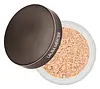 Key Ingredients
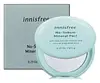
Benefits
Concerns
No concerns
Ingredients Side-by-side
Talc
Abrasive
Mica
Cosmetic ColorantMagnesium Myristate
Nylon-12


Ethylhexyl Palmitate
Emollient


Caprylic/Capric Triglyceride
Masking


Zea Mays Starch
Absorbent
Glycine Soja Oil
Emollient


Tocopherol
Antioxidant




Lauroyl Lysine
Skin Conditioning
Methicone
Emollient
Polymethyl Methacrylate
Phenoxyethanol
Preservative
Caprylyl Glycol
Emollient
Sodium Dehydroacetate
Preservative
Titanium Dioxide
Cosmetic Colorant
CI 77491
Cosmetic ColorantCI 77492
Cosmetic ColorantCI 77499
Cosmetic ColorantCI 77007
Cosmetic ColorantTalc, Mica, Magnesium Myristate, Nylon-12, Ethylhexyl Palmitate, Caprylic/Capric Triglyceride, Zea Mays Starch, Glycine Soja Oil, Tocopherol, Lauroyl Lysine, Methicone, Polymethyl Methacrylate, Phenoxyethanol, Caprylyl Glycol, Sodium Dehydroacetate, Titanium Dioxide, CI 77491, CI 77492, CI 77499, CI 77007
Mica
Cosmetic ColorantKaolin
Abrasive

Polymethyl Methacrylate
Aluminum Starch Octenylsuccinate
Absorbent
Octyldodecyl Stearoyl Stearate
Emollient
Silica
Abrasive
Polypropylene
Squalane
Emollient
Polyethylene
Abrasive
Silica Dimethyl Silylate
EmollientSorbitan Isostearate
Emulsifying
Dimethicone
Emollient
Methicone
Emollient
Ethylhexylglycerin
Skin ConditioningGlyceryl Caprylate
EmollientWater
Skin ConditioningMineral Salts
Skin ConditioningButylene Glycol
Humectant
Camellia Sinensis Leaf Extract
Antimicrobial
Phenoxyethanol
Preservative
Caprylyl Glycol
Emollient
1,2-Hexanediol
Skin Conditioning
Mentha Arvensis Extract
MaskingDisodium EDTA
Acetic Acid
BufferingMica, Kaolin, Polymethyl Methacrylate, Aluminum Starch Octenylsuccinate, Octyldodecyl Stearoyl Stearate, Silica, Polypropylene, Squalane, Polyethylene, Silica Dimethyl Silylate, Sorbitan Isostearate, Dimethicone, Methicone, Ethylhexylglycerin, Glyceryl Caprylate, Water, Mineral Salts, Butylene Glycol, Camellia Sinensis Leaf Extract, Phenoxyethanol, Caprylyl Glycol, 1,2-Hexanediol, Mentha Arvensis Extract, Disodium EDTA, Acetic Acid
Reviews
Ingredients Explained
These ingredients are found in both products.
Ingredients higher up in an ingredient list are typically present in a larger amount.
Caprylyl Glycol is a humectant, skin conditioner, emollient, and preservative booster derived from either caprylic acid or synthetically created.
Typical use levels vary from 0.3-1% as a preservative booster and go up to 2% to condition skin.
Because it is not a free-fatty acid or alcohol, this ingredient is fungal acne safe (there's nothing for Malassezia to feed on).
Learn more about Caprylyl GlycolMethicone is a type of silicone and is a simpler form of dimethicone.
Silicones are used to enhance the texture of products and have emollient properties. Methicone is used to give products a silky texture and improves spreadability.
Mica is a naturally occurring mineral used to add shimmer and color in cosmetics. It can also help improve the texture of a product or give it an opaque, white/silver color.
Serecite is the name for very fine but ragged grains of mica.
This ingredient is often coated with metal oxides like titanium dioxide. Trace amounts of heavy metals may be found in mica, but these metals are not harmful in our personal products.
Mica has been used since prehistoric times throughout the world. Ancient Egyptian, Indian, Greek, Roman, Aztec, and Chinese civilizations have used mica.
Learn more about MicaPhenoxyethanol is a preservative that has germicide, antimicrobial, and aromatic properties. Studies show that phenoxyethanol can prevent microbial growth. By itself, it has a scent that is similar to that of a rose.
It's often used in formulations along with Caprylyl Glycol to preserve the shelf life of products.
This ingredient is also known as PMMA. It is a polymer microsphere, composed of tiny, perfectly spherical particles formed from repeating units.
In cosmetics, PMMA is mainly used to give a soft or blurring effect. The transparent particles are able to scatter light and help reduce the appearance of fine-lines and imperfections.
PMMA is also able to enhance the texture of products by add a smooth feel.
Learn more about Polymethyl Methacrylate
