Huda Beauty Easy Bake Loose Baking & Setting Powder Versus Laura Mercier Translucent Loose Setting Powder


What's inside
What's inside
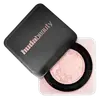 Key Ingredients
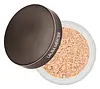
Benefits
Concerns
Ingredients Side-by-side
Talc
Abrasive
Synthetic Fluorphlogopite
Silica
Abrasive

Dimethicone
Emollient

Nylon-12

Caprylyl Glycol
Emollient
Pentylene Glycol
Skin Conditioning
Oryza Sativa Starch
AbsorbentPhenyl Trimethicone
Skin Conditioning
Sodium Dehydroacetate
Preservative
Octyldodecyl Stearoyl Stearate
Emollient

Diisostearyl Malate
EmollientParfum
Masking



Tocopheryl Acetate
Antioxidant


Benzyl Salicylate
Perfuming
Sorbitan Sesquioleate
Emulsifying
Hexyl Cinnamal
Perfuming
Linalool
Perfuming
Coumarin
Perfuming
Hydroxycitronellal
Perfuming
Benzyl Benzoate
Antimicrobial
Iron Oxides
CI 77492
Cosmetic ColorantCI 77491
Cosmetic ColorantUltramarines
CI 77007
Cosmetic ColorantCI 19140
Cosmetic ColorantCI 77499
Cosmetic ColorantCI 73360
Cosmetic ColorantTalc, Synthetic Fluorphlogopite, Silica, Dimethicone, Nylon-12, Caprylyl Glycol, Pentylene Glycol, Oryza Sativa Starch, Phenyl Trimethicone, Sodium Dehydroacetate, Octyldodecyl Stearoyl Stearate, Diisostearyl Malate, Parfum, Tocopheryl Acetate, Benzyl Salicylate, Sorbitan Sesquioleate, Hexyl Cinnamal, Linalool, Coumarin, Hydroxycitronellal, Benzyl Benzoate, Iron Oxides, CI 77492, CI 77491, Ultramarines, CI 77007, CI 19140, CI 77499, CI 73360
Talc
Abrasive
Mica
Cosmetic ColorantMagnesium Myristate

Nylon-12
Ethylhexyl Palmitate
Emollient
Caprylic/Capric Triglyceride
Masking

Zea Mays Starch
Absorbent
Glycine Soja Oil
Emollient


Tocopherol
Antioxidant

Lauroyl Lysine
Skin Conditioning
Methicone
Emollient
Polymethyl Methacrylate
Phenoxyethanol
Preservative
Caprylyl Glycol
Emollient
Sodium Dehydroacetate
Preservative
Titanium Dioxide
Cosmetic Colorant
CI 77491
Cosmetic ColorantCI 77492
Cosmetic ColorantCI 77499
Cosmetic ColorantCI 77007
Cosmetic ColorantTalc, Mica, Magnesium Myristate, Nylon-12, Ethylhexyl Palmitate, Caprylic/Capric Triglyceride, Zea Mays Starch, Glycine Soja Oil, Tocopherol, Lauroyl Lysine, Methicone, Polymethyl Methacrylate, Phenoxyethanol, Caprylyl Glycol, Sodium Dehydroacetate, Titanium Dioxide, CI 77491, CI 77492, CI 77499, CI 77007
Reviews
Ingredients Explained
These ingredients are found in both products.
Ingredients higher up in an ingredient list are typically present in a larger amount.
Caprylyl Glycol is a humectant, skin conditioner, emollient, and preservative booster derived from either caprylic acid or synthetically created.
Typical use levels vary from 0.3-1% as a preservative booster and go up to 2% to condition skin.
Because it is not a free-fatty acid, this ingredient is fungal acne safe (there's nothing for Malassezia to feed on).
Learn more about Caprylyl GlycolThis pigment is called Ultramarine blue lazurite. It gives a saturated blue color, but can be used to create other colors as well.
According to the manufacturer, it is usually made from kaolin, sodium sulfate, sodium carbonate, sulfur, and charcoal.
Ci 77491 is also hydrated iron III oxide. It's sole purpose is to give a red/pink hue to products.
Iron III oxides are classified as inorganic chemicals for coloring.
Synthetically created Ci 77491 is considered safer than those naturally found. This is because the synthetically created version may contain less impurities. Iron oxides are generally non-toxic and non-allergenic.
Learn more about CI 77491CI 77492 is also hydrated iron III oxide. It's sole purpose is to give a yellow hue to products.
Iron III oxides are classified as inorganic chemicals for coloring.
Synthetically created CI 77492 is considered safer than those naturally found. This is because the synthetically created version may contain less impurities. Iron oxides are generally non-toxic and non-allergenic.
Learn more about CI 77492Ci 77499 is also hydrated iron III oxide. It is created from mixing red and black iron oxides. This helps give shades of darkness to a product.
Iron III oxides are classified as inorganic chemicals for coloring.
Nylon-12 is a polymer. It is derived from 12-aminododecanoic acid, an omega-amino fatty acid
According to a manufacturer, it is a talc substitute. Like talc, nylon-12 gives products a satin feel. The manufacturer also claims this ingredients does not block pores and has moderate oil absorption.
This ingredient may not be reef-safe.
Learn more about Nylon-12Sodium Dehydroacetate is a synthetic preservative and sodium salt form of dehydroacetic acid. It stops bacteria, mold, and yeast from growing in your products at low concentrations.
Clinical testing found it to be non-irritating, non-sensitizing, and non-photosensitizing. It's also not significantly absorbed through skin.
There are a very small number of reported cases of contact dermatitis in cases linked to wound-care creams used over compromised skin (rather than skincare).
Overall, this is a well-studied and low-risk preservative just doing its job.
Typical concentrations run up to 0.6%, which is also the maximum amount permitted under both EU CosIng regulations and US FDA guidelines.
Learn more about Sodium DehydroacetateTalc is a clay mineral. It helps absorb moisture and improve the texture of products. Like other types of clay, Talc can have a slight exfoliating effect on skin. Talc can be added to increase the volume of products.
Some Baby powders are made by combining talc with corn starch. The word "talc" comes from Latin and originates from Arabic. Talc is a mineral commonly found throughout the world.
If you have any concerns about using talc, we recommend checking out the FDA's official page.
Learn more about Talc

