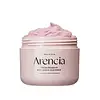
This mild cream cleanser is made to cleanse without leaving your skin tight or dry.
This mild cream cleanser is mild enough to cleanse without leaving skin feeling tight or stripped.

What's inside
What's inside
 Key Ingredients
Benefits
Concerns
Ingredients Side-by-side
Water
Skin ConditioningGlycerin
Humectant


Lauryl Hydroxysultaine
CleansingSodium Cocoyl Isethionate
Cleansing
Sodium Methyl Cocoyl Taurate
Cleansing
Glyceryl Stearate Se
Emulsifying




Caprylyl/Capryl Glucoside
CleansingLauryl Betaine
CleansingSodium Chloride
MaskingHydroxypropyl Starch Phosphate
Polyglyceryl-6 Caprylate
EmulsifyingPolyglyceryl-4 Caprate
EmulsifyingTrihydroxystearin
Skin Conditioning
Glycol Distearate
Emollient
1,2-Hexanediol
Skin Conditioning
Polyquaternium-7
Citric Acid
Buffering

Xanthan Gum
EmulsifyingCetearyl Olivate
Sorbitan Olivate
Emulsifying
Allantoin
Skin Conditioning

Hydrolyzed Hyaluronic Acid
Humectant

Arginine
Masking
Aspartic Acid
Masking
Glutamic Acid
Humectant
Sodium Benzoate
Masking
Panthenol
Skin Conditioning
Water, Glycerin, Lauryl Hydroxysultaine, Sodium Cocoyl Isethionate, Sodium Methyl Cocoyl Taurate, Glyceryl Stearate Se, Caprylyl/Capryl Glucoside, Lauryl Betaine, Sodium Chloride, Hydroxypropyl Starch Phosphate, Polyglyceryl-6 Caprylate, Polyglyceryl-4 Caprate, Trihydroxystearin, Glycol Distearate, 1,2-Hexanediol, Polyquaternium-7, Citric Acid, Xanthan Gum, Cetearyl Olivate, Sorbitan Olivate, Allantoin, Hydrolyzed Hyaluronic Acid, Arginine, Aspartic Acid, Glutamic Acid, Sodium Benzoate, Panthenol
Glycerin
Humectant
Sodium Cocoyl Isethionate
Cleansing
Water
Skin ConditioningSodium Cocoyl Glycinate
Cleansing
Prunus Amygdalus Dulcis Seed Powder
Exfoliating

Aloe Barbadensis Leaf Extract
Emollient
Rosa Canina Fruit Extract
Astringent
Chamomilla Recutita Extract
Skin Conditioning
1,2-Hexanediol
Skin Conditioning
Coconut Acid
Cleansing
Sodium Methyl Cocoyl Taurate
Cleansing
Cellulose
Absorbent
Oryza Sativa Powder
Sodium Isethionate
CleansingPyrus Malus Fiber
Abrasive
Glyceryl Stearates
Emollient
Hydroxypropyl Starch Phosphate
Propanediol
Solvent
Sodium Chloride
MaskingXanthan Gum
EmulsifyingGardenia Florida Fruit Extract
Skin ConditioningDextrin
AbsorbentParfum
Masking

Caprylyl Glycol
Emollient
Ethylhexylglycerin
Skin ConditioningDisodium EDTA
Sodium Cocoyl Apple Amino Acids
Skin Conditioning
Hexylene Glycol
EmulsifyingTetrasodium Glutamate Diacetate
Glycerin, Sodium Cocoyl Isethionate, Water, Sodium Cocoyl Glycinate, Prunus Amygdalus Dulcis Seed Powder, Aloe Barbadensis Leaf Extract, Rosa Canina Fruit Extract, Chamomilla Recutita Extract, 1,2-Hexanediol, Coconut Acid, Sodium Methyl Cocoyl Taurate, Cellulose, Oryza Sativa Powder, Sodium Isethionate, Pyrus Malus Fiber, Glyceryl Stearates, Hydroxypropyl Starch Phosphate, Propanediol, Sodium Chloride, Xanthan Gum, Gardenia Florida Fruit Extract, Dextrin, Parfum, Caprylyl Glycol, Ethylhexylglycerin, Disodium EDTA, Sodium Cocoyl Apple Amino Acids, Hexylene Glycol, Tetrasodium Glutamate Diacetate
Reviews
Ingredients Explained
These ingredients are found in both products.
Ingredients higher up in an ingredient list are typically present in a larger amount.
1,2-Hexanediol is a synthetic liquid and another multi-functional powerhouse.
It is a:
- Humectant, drawing moisture into the skin
- Emollient, helping to soften skin
- Solvent, dispersing and stabilizing formulas
- Preservative booster, enhancing the antimicrobial activity of other preservatives
Glycerin (or glycerol) is a compound naturally found in your skin. It's a powerhouse humectant that pulls water into the stratum corneum.
Topically, glycerin does several things at once:
Your skin makes glycerin on its own (mostly from sebaceous oil breakdown) and shuttles it to your outermost layer of skin, or your epidermis, via aquaporin-3.
Aquaporin-3 is a transporter that is essential for normal skin hydration, elasticity, and repair. Interestingly, mice lacking in AQP3 have dry and less elastic skin that can be fully corrected with glycerin.
This ingredient is non-irritating, plays well with almost every ingredient, and works across all skin types. Typical use is anywhere between 3-10% but can go up to 79% in some leave-on products.
Just know very high concentrations (>40%) can feel tacky in low humidity.
Glycerin is the name for this ingredient in American English. British English uses Glycerol/Glycerine.
Learn more about GlycerinHydroxypropyl Starch Phosphate is a modified starch used to help thicken a product.
It is also used in foods.
Chances are, you eat sodium chloride every day. Sodium Chloride is also known as table salt. This ingredient has many purposes in skincare: thickener, emulsifier, and exfoliator.
You'll most likely find this ingredient in cleansers where it is used to create a gel-like texture. As an emulsifier, it also prevents ingredients from separating.
You might see people debate whether Sodium Chloride is comedogenic, but there actually haven't been any comedogenic tests done on it. Either way, the overall formulation of a product matters a lot more than any single ingredient.
You might see this ingredient used in scrubs as a primary exfoliating ingredient.
Learn more about Sodium ChlorideSodium cocoyl isethionate is a natural ingredient from coconut oil. It is an ultra gentle cleanser that gives a nice foam without drying the skin or impacting the skin barrier.
The amount of foam created depends on the amount of sodium cocoyl isethionate used in the product.
This ingredient also helps improve the spreadability of a product.
This ingredient hasn’t been shown in studies to feed fungal acne yeast.
Learn more about Sodium Cocoyl IsethionateSodium Methyl Cocoyl Taurate is a gentle, coconut-derived cleansing surfactant. It's most commonly found in "sulfate-free" cleansers.
As a taurate, it belongs to a class of anionic surfactants prized for being efficient at cleansing without harshness, good performance in hard water, stability across a wide pH range, and easily biodegradable.
It is able to lift away oil and grime and make a nice lather without stripping your skin, so it's a good pick for sensitive skin.
Safety-wise, it has a good record. The CIR Expert Panel has concluded this ingredient to be safe in cosmetics and concentrations go up to 11% in leave-on products or 13% in rinse-off products.
Despite being derived from coconut oil, this ingredient is fungal acne safe. It's a water-soluble surfactant with no fatty oils or esters left intact on skin for the Malassezia yeast to feed.
Learn more about Sodium Methyl Cocoyl TaurateWater. It's the most common cosmetic ingredient of all. You'll usually see it at the top of ingredient lists, meaning that it makes up the largest part of the product.
So why is it so popular? Water most often acts as a solvent - this means that it helps dissolve other ingredients into the formulation.
You'll also recognize water as that liquid we all need to stay alive. If you see this, drink a glass of water. Remember to stay hydrated!
Learn more about WaterXanthan gum is used as a stabilizer and thickener within cosmetic products. It helps give products a sticky, thick feeling - preventing them from being too runny.
On the technical side of things, xanthan gum is a polysaccharide - a combination consisting of multiple sugar molecules bonded together.
Xanthan gum is a pretty common and great ingredient. It is a natural, non-toxic, non-irritating ingredient that is also commonly used in food products.
Learn more about Xanthan Gum

