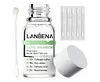
This acne treatment is formulated around Zinc Oxide and Colloidal Sulfur to clear breakouts and balance excess oil.
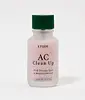
This acne treatment is formulated around Colloidal Sulfur and Salicylic Acid to clear breakouts and balance excess oil.


What's inside
What's inside
 Key Ingredients
Benefits
Concerns
Ingredients Side-by-side
Water
Skin ConditioningZinc Oxide
Cosmetic Colorant


Colloidal Sulfur
Antimicrobial


Alcohol
Antimicrobial


Niacinamide
Smoothing









Glycerin
Humectant
Hydroxypropyl Cyclodextrin
MaskingButylene Glycol
Humectant
Salicylic Acid
Masking

Sodium Chloride
MaskingRaspberryketone Glucoside
HumectantMagnesium Sulfate
PPG-26-Buteth-26
Skin ConditioningPropanediol
Solvent
Centella Asiatica Extract
Cleansing
PEG-40 Hydrogenated Castor Oil
Emulsifying

1,2-Hexanediol
Skin Conditioning
Citrus Paradisi Peel Oil
Masking

Lavandula Angustifolia Oil
Masking
Caprylhydroxamic Acid
ChelatingSodium Polyglutamate
HumectantEucalyptus Globulus Leaf Oil
Perfuming
Citrus Reticulata Fruit Extract
Skin ProtectingGentiana Scabra Root Extract
Skin ConditioningWater, Zinc Oxide, Colloidal Sulfur, Alcohol, Niacinamide, Glycerin, Hydroxypropyl Cyclodextrin, Butylene Glycol, Salicylic Acid, Sodium Chloride, Raspberryketone Glucoside, Magnesium Sulfate, PPG-26-Buteth-26, Propanediol, Centella Asiatica Extract, PEG-40 Hydrogenated Castor Oil, 1,2-Hexanediol, Citrus Paradisi Peel Oil, Lavandula Angustifolia Oil, Caprylhydroxamic Acid, Sodium Polyglutamate, Eucalyptus Globulus Leaf Oil, Citrus Reticulata Fruit Extract, Gentiana Scabra Root Extract
Alcohol Denat.
Antimicrobial
Glycerin
Humectant
Calamine
AbsorbentChamaecyparis Obtusa Water
MaskingCI 77891
Cosmetic ColorantButylene Glycol
Humectant
Colloidal Sulfur
Antimicrobial
Alcohol
Antimicrobial
Portulaca Oleracea Extract
Skin Conditioning
Salicylic Acid
Masking
Water
Skin Conditioning1,2-Hexanediol
Skin Conditioning
Dipotassium Glycyrrhizate
Humectant
CI 77491
Cosmetic ColorantMelaleuca Alternifolia Leaf Oil
Antioxidant
Houttuynia Cordata Extract
Skin Conditioning
Silica
Abrasive
Madecassoside
Antioxidant
Ethylhexylglycerin
Skin ConditioningSaururus Chinensis Extract
Skin ConditioningAlcohol Denat., Glycerin, Calamine, Chamaecyparis Obtusa Water, CI 77891, Butylene Glycol, Colloidal Sulfur, Alcohol, Portulaca Oleracea Extract, Salicylic Acid, Water, 1,2-Hexanediol, Dipotassium Glycyrrhizate, CI 77491, Melaleuca Alternifolia Leaf Oil, Houttuynia Cordata Extract, Silica, Madecassoside, Ethylhexylglycerin, Saururus Chinensis Extract
Reviews
Ingredients Explained
These ingredients are found in both products.
Ingredients higher up in an ingredient list are typically present in a larger amount.
1,2-Hexanediol is a synthetic liquid and another multi-functional powerhouse.
It is a:
- Humectant, drawing moisture into the skin
- Emollient, helping to soften skin
- Solvent, dispersing and stabilizing formulas
- Preservative booster, enhancing the antimicrobial activity of other preservatives
This ingredient is also called ethanol or ethyl alcohol. It is denatured, meaning made undrinkable for cosmetic use.
In formulas, it:
Is it bad for your skin?
The answer comes down to concentration. Patch and wash studies have found highly concentrated alcohol-based hand rubs (60-100%) cause less barrier disruption than washing with a basic detergent like SLS. The only measurable effect in these studies was a temporary dip in skin hydration.
Concentrations below 12-15% in leave-on cosmetics is generally well-tolerated. Concentrations above start to see increased transepidermal water loss (TEWL) and reduced hydration.
In concentrations about 58%, it creates temporary channels in your skin's lipid layers to become more permeable and allow other ingredients to slip through easily.
This ingredient can be up to 80% of the formula in alcohol-based perfumes.
Overall, this ingredient is probably harmless if found lower down an ingredients list but worth side-eyeing if it's high up (especially if your barrier is already struggling).
Alcohol can worsen dry skin, eczema, and oily skin, especially at higher concentrations. This is because it can increase transepidermal water loss and decrease hydration to disrupt the skin barrier.
According to the National Rosacea Society based in the US, you should be mindful of products with these alcohols in the top half of ingredients.
True allergic contact dermatitis to ethanol is uncommon, but be sure to patch test if you have dry or sensitive skin.
Learn more about AlcoholButylene Glycol (or BG) is used within cosmetic products for a few different reasons:
Overall, Butylene Glycol is a safe and well-rounded ingredient that works well with other ingredients.
Though this ingredient works well with most skin types, some people with sensitive skin may experience a reaction such as allergic rashes, closed comedones, or itchiness.
Learn more about Butylene GlycolColloidal sulfur is the same element as regular sulfur, just made into much smaller particles. You might see it called sulfur nanoparticles. Like all sulfur, it helps kill bacteria, reduces sebum, and provides exfoliation. This makes it an effective ingredient to reduce breakouts and fight acne.
The difference is all about particle size. Milling sulfur down into a fine, colloidal form boosts its potency, helps it dissolve more easily in water, and cuts down on that classic sulfur "rotten egg" smell. How it works on your skin stays the same.
As a keratolytic agent, it breaks down the top layer of skin. This is a form of exfoliation and may help decrease acne and hyperpigmentation. Studies show sulfur has antibacterial and antifungal properties.
Just like regular sulfur, colloidal sulfur can be drying and may irritate if used excessively or at higher concentrations.
We recommend speaking with a medical professional if you have any concerns.
Researchers are even looking into whether these nano-sized particles could help fight acne-causing bacteria that have become resistant to traditional antibiotics.
Learn more about Colloidal SulfurGlycerin (or glycerol) is a compound naturally found in your skin. It's a powerhouse humectant that pulls water into the stratum corneum.
Topically, glycerin does several things at once:
Your skin makes glycerin on its own (mostly from sebaceous oil breakdown) and shuttles it to your outermost layer of skin, or your epidermis, via aquaporin-3.
Aquaporin-3 is a transporter that is essential for normal skin hydration, elasticity, and repair. Interestingly, mice lacking in AQP3 have dry and less elastic skin that can be fully corrected with glycerin.
This ingredient is non-irritating, plays well with almost every ingredient, and works across all skin types. Typical use is anywhere between 3-10% but can go up to 79% in some leave-on products.
Just know very high concentrations (>40%) can feel tacky in low humidity.
Glycerin is the name for this ingredient in American English. British English uses Glycerol/Glycerine.
Learn more about GlycerinSalicylic Acid (also known as beta hydroxy acid or BHA) is a well-known ingredient for treating skin that struggles with acne and clogged pores. It exfoliates both the skin's surface and deep within the pores to help clear out buildup, control oil, and reduce inflammation.
Unlike AHAs (alpha hydroxy acids), salicylic acid is oil-soluble. This allows it to penetrate into pores which makes it especially effective for treating blackheads and preventing future breakouts.
Salicylic acid is also known for its soothing properties. It has a similar structure to aspirin and can calm inflamed or irritated skin, making it a good option for acne-prone skin that is also sensitive.
Concentrations of 0.5-2% are recognized by the U.S. FDA as an over-the-counter topical acne product.
It can cause irritation and/or dryness if one's skin already has a compromised moisture barrier, so it's best to focus on repairing that before introducing this ingredient into your routine.
While salicylic acid does not increase sun sensitivity, it’s still important to wear sunscreen daily to protect your skin.
If you are looking for the ingredient called BHA or Butylated Hydroxyanisole, click here.
Learn more about Salicylic AcidWater. It's the most common cosmetic ingredient of all. You'll usually see it at the top of ingredient lists, meaning that it makes up the largest part of the product.
So why is it so popular? Water most often acts as a solvent - this means that it helps dissolve other ingredients into the formulation.
You'll also recognize water as that liquid we all need to stay alive. If you see this, drink a glass of water. Remember to stay hydrated!
Learn more about Water

