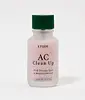
This acne treatment is formulated around Colloidal Sulfur and Salicylic Acid to clear breakouts and balance excess oil.
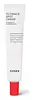
This acne treatment is formulated around Zinc Oxide and Melaleuca Alternifolia Leaf Oil to clear breakouts and calm redness.

What's inside
What's inside
 Key Ingredients
Benefits
Concerns
Ingredients Side-by-side
Alcohol Denat.
Antimicrobial




Glycerin
Humectant


Calamine
AbsorbentChamaecyparis Obtusa Water
MaskingCI 77891
Cosmetic ColorantButylene Glycol
Humectant
Colloidal Sulfur
Antimicrobial
Alcohol
Antimicrobial
Portulaca Oleracea Extract
Skin Conditioning

Salicylic Acid
Masking





Water
Skin Conditioning1,2-Hexanediol
Skin Conditioning
Dipotassium Glycyrrhizate
Humectant
CI 77491
Cosmetic ColorantMelaleuca Alternifolia Leaf Oil
Antioxidant



Houttuynia Cordata Extract
Skin Conditioning
Silica
Abrasive
Madecassoside
Antioxidant
Ethylhexylglycerin
Skin ConditioningSaururus Chinensis Extract
Skin ConditioningAlcohol Denat., Glycerin, Calamine, Chamaecyparis Obtusa Water, CI 77891, Butylene Glycol, Colloidal Sulfur, Alcohol, Portulaca Oleracea Extract, Salicylic Acid, Water, 1,2-Hexanediol, Dipotassium Glycyrrhizate, CI 77491, Melaleuca Alternifolia Leaf Oil, Houttuynia Cordata Extract, Silica, Madecassoside, Ethylhexylglycerin, Saururus Chinensis Extract
Aloe Barbadensis Leaf Water
MaskingButylene Glycol
Humectant
Helianthus Annuus Seed Oil
Emollient
Glycerin
Humectant
Zinc Oxide
Cosmetic Colorant

Cetearyl Alcohol
Emollient



Dimethyl Sulfone
SolventBetaine
Humectant
Polysorbate 60
Emulsifying
Elaeis Guineensis Oil
Emollient
Elaeis Guineensis Kernel Oil
Emollient
Cetearyl Olivate
Sorbitan Olivate
Emulsifying
1,2-Hexanediol
Skin Conditioning
Calamine
AbsorbentDimethicone
Emollient
Illicium Verum Fruit Extract
Perfuming
Scutellaria Baicalensis Root Extract
Astringent
Xanthan Gum
EmulsifyingMelaleuca Alternifolia Leaf Oil
Antioxidant
Ethyl Hexanediol
SolventAsiaticoside
Antioxidant
Asiatic Acid
Skin Conditioning
Madecassic Acid
Skin Conditioning
Aloe Barbadensis Leaf Water, Butylene Glycol, Helianthus Annuus Seed Oil, Glycerin, Zinc Oxide, Cetearyl Alcohol, Dimethyl Sulfone, Betaine, Polysorbate 60, Elaeis Guineensis Oil, Elaeis Guineensis Kernel Oil, Cetearyl Olivate, Sorbitan Olivate, 1,2-Hexanediol, Calamine, Dimethicone, Illicium Verum Fruit Extract, Scutellaria Baicalensis Root Extract, Xanthan Gum, Melaleuca Alternifolia Leaf Oil, Ethyl Hexanediol, Asiaticoside, Asiatic Acid, Madecassic Acid
Reviews
Ingredients Explained
These ingredients are found in both products.
Ingredients higher up in an ingredient list are typically present in a larger amount.
1,2-Hexanediol is a synthetic liquid and another multi-functional powerhouse.
It is a:
- Humectant, drawing moisture into the skin
- Emollient, helping to soften skin
- Solvent, dispersing and stabilizing formulas
- Preservative booster, enhancing the antimicrobial activity of other preservatives
Butylene Glycol (or BG) is used within cosmetic products for a few different reasons:
Overall, Butylene Glycol is a safe and well-rounded ingredient that works well with other ingredients.
Though this ingredient works well with most skin types, some people with sensitive skin may experience a reaction such as allergic rashes, closed comedones, or itchiness.
Learn more about Butylene GlycolCalamine is a "pink powder" that is used to calm itchy or irritated skin. In official medical standards, calamine is basically almost all zinc oxide with a tiny bit of iron oxide added for the pink color.
Lab testing requires that it’s at least 98% zinc oxide, which just means it has to be very pure and mostly zinc oxide.
In skincare, calamine can help relieve itches, calm skin, and absorb excess moisture/oil. This is why you'll often see it used for oozing rashes. Calamine is approved as a skin protectant active at 1-25% in US OTC drug products.
A big part of calamine's soothing effect comes from zinc oxide's protective properties. Since calamine can absorb excess moisture/oil, it might be drying for already dry skin types.
A review of topical medicament allergies notes that contact dermatitis from calamine isn't typically reported, but added actives in a formulation are known sensitizers.
Learn more about CalamineGlycerin (or glycerol) is a compound naturally found in your skin. It's a powerhouse humectant that pulls water into the stratum corneum.
Topically, glycerin does several things at once:
Your skin makes glycerin on its own (mostly from sebaceous oil breakdown) and shuttles it to your outermost layer of skin, or your epidermis, via aquaporin-3.
Aquaporin-3 is a transporter that is essential for normal skin hydration, elasticity, and repair. Interestingly, mice lacking in AQP3 have dry and less elastic skin that can be fully corrected with glycerin.
This ingredient is non-irritating, plays well with almost every ingredient, and works across all skin types. Typical use is anywhere between 3-10% but can go up to 79% in some leave-on products.
Just know very high concentrations (>40%) can feel tacky in low humidity.
Glycerin is the name for this ingredient in American English. British English uses Glycerol/Glycerine.
Learn more about GlycerinThis ingredient is also known as tea tree oil. It has antioxidant, anti-inflammatory, and antimicrobial properties.
Tea tree oil is a complex lipophilic (fat-loving) oil that contains around 100 compounds with terpinen-4-ol being the most abundant (~40%).
Terpinen-4-ol is responsible for tea tree oil's broad-spectrum antimicrobial activity and makes it a well-researched option for acne.
Clinical studies support 5% tea tree oil as an effective topical treatment for mild to moderate acne. A study with 124 patients compared 5% tea tree oil gel to 5% benzoyl peroxide and both reduced acne (though tea tree oil worked more slowly).
Besides acne, it is also seen in anti-dandruff shampoos and scalp treatments for it's antimicrobial and anti-seborrheic properties.
Safety-wise, the allergic potential of low concentrations on healthy skin is considered low. However, oxidized (old or improperly stored) tea tree oil is a stronger sensitizer.
Irritation can also occur if using the undiluted oil on skin; it's best to use this ingredient as part of a carefully crafted cosmetic formula. This is because regulations require tea tree oil in cosmetics to be stabilized to prevent degradation.
This ingredient has been deemed safe up to 2% in shampoo, 1% in cleansers, and 0.1% in face cream by the EU's Scientific Committee on Consumer Safety (SCCS).
There is some lab evidence that tea tree oil is antifungal against Malassezia, but it is a supportive option at best and not a replacement for proven antifungal treatments.
Learn more about Melaleuca Alternifolia Leaf Oil

