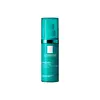
This acne moisturizer is formulated around Azelaic Acid and Salicylic Acid to clear breakouts and refine skin texture.
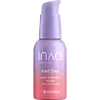
This pore-care serum is formulated around Azelaic Acid to refine the look of pores and refine skin texture.


What's inside
What's inside
 Key Ingredients
Benefits
Concerns
Ingredients Side-by-side
Water
Skin ConditioningAzelaic Acid
Buffering









C15-19 Alkane
SolventGlycerin
Humectant

Triethyl Citrate
Masking

Diglycerin
Humectant
Salicylic Acid
Masking





Panthenol
Skin Conditioning
Silica
Abrasive
Ammonium Polyacryloyldimethyl Taurate
Emulsion StabilisingTaraxacum Officinale Rhizome/Root Extract
Skin ConditioningZinc Gluconate
Skin Conditioning
Glyceryl Stearate
Emollient
PEG-100 Stearate
Surfactant
Sodium Hyaluronate
Humectant

Sodium Hydroxide
BufferingSodium Phosphate
BufferingDisodium Phosphate
BufferingHydroxyethylcellulose
Emulsion StabilisingHydroxypropyl Starch Phosphate
Tetrasodium Glutamate Diacetate
Citric Acid
Buffering
Trisodium Ethylenediamine Disuccinate
Pentylene Glycol
Skin Conditioning
Polysorbate 60
Emulsifying
Parfum
Masking
Water, Azelaic Acid, C15-19 Alkane, Glycerin, Triethyl Citrate, Diglycerin, Salicylic Acid, Panthenol, Silica, Ammonium Polyacryloyldimethyl Taurate, Taraxacum Officinale Rhizome/Root Extract, Zinc Gluconate, Glyceryl Stearate, PEG-100 Stearate, Sodium Hyaluronate, Sodium Hydroxide, Sodium Phosphate, Disodium Phosphate, Hydroxyethylcellulose, Hydroxypropyl Starch Phosphate, Tetrasodium Glutamate Diacetate, Citric Acid, Trisodium Ethylenediamine Disuccinate, Pentylene Glycol, Polysorbate 60, Parfum
Water
Skin ConditioningAzelaic Acid
Buffering
Glycerin
Humectant
Caprylic/Capric Triglyceride
Masking
Ethylhexyl Stearate
Emollient

Dicaprylyl Carbonate
EmollientGlyceryl Stearate Citrate
Emollient
Cetearyl Alcohol
Emollient
Tocopherol
Antioxidant

Propylene Glycol
Humectant
Xanthan Gum
EmulsifyingEthylhexylglycerin
Skin ConditioningSodium Stearoyl Glutamate
CleansingAlthaea Officinalis Root Extract
Skin Conditioning
Sodium Chloride
MaskingSodium Sulfate
Sodium Hydroxide
BufferingPhenoxyethanol
Preservative
Parfum
Masking
CI 14700
Cosmetic ColorantWater, Azelaic Acid, Glycerin, Caprylic/Capric Triglyceride, Ethylhexyl Stearate, Dicaprylyl Carbonate, Glyceryl Stearate Citrate, Cetearyl Alcohol, Tocopherol, Propylene Glycol, Xanthan Gum, Ethylhexylglycerin, Sodium Stearoyl Glutamate, Althaea Officinalis Root Extract, Sodium Chloride, Sodium Sulfate, Sodium Hydroxide, Phenoxyethanol, Parfum, CI 14700
Reviews
Ingredients Explained
These ingredients are found in both products.
Ingredients higher up in an ingredient list are typically present in a larger amount.
Azelaic acid is a multitasker ingredient that helps treat acne, pigmentation, and irritation. It is a great option for sensitive skin.
What makes it special?
OTC Azelaic acid is usually available in concentrations from 10-15% and anything over requires a prescription.
Here's what each tier does best:
Unlike other acids, azelaic acid will not make your skin more photosensitive/sun sensitive.
Though this ingredient is naturally occurring in grains like wheat, rye, and barley, it is usually synthetically created for cosmetics to ensure stability and effectiveness.
Learn more about Azelaic AcidGlycerin (or glycerol) is a compound naturally found in your skin. It's a powerhouse humectant that pulls water into the stratum corneum.
Topically, glycerin does several things at once:
Your skin makes glycerin on its own (mostly from sebaceous oil breakdown) and shuttles it to your outermost layer of skin, or your epidermis, via aquaporin-3.
Aquaporin-3 is a transporter that is essential for normal skin hydration, elasticity, and repair. Interestingly, mice lacking in AQP3 have dry and less elastic skin that can be fully corrected with glycerin.
This ingredient is non-irritating, plays well with almost every ingredient, and works across all skin types. Typical use is anywhere between 3-10% but can go up to 79% in some leave-on products.
Just know very high concentrations (>40%) can feel tacky in low humidity.
Glycerin is the name for this ingredient in American English. British English uses Glycerol/Glycerine.
Learn more about GlycerinParfum is a catch-all term for an ingredient or more that is used to give a scent to products.
Also called "fragrance", this ingredient can be a blend of hundreds of chemicals or plant oils. This means every product with "fragrance" or "parfum" in the ingredients list is a different mixture.
For instance, Habanolide is a proprietary trade name for a specific aroma chemical. When used as a fragrance ingredient in cosmetics, most aroma chemicals fall under the broad labeling category of “FRAGRANCE” or “PARFUM” according to EU and US regulations.
The term 'parfum' or 'fragrance' is not regulated in many countries. In many cases, it is up to the brand to define this term.
For instance, many brands choose to label themselves as "fragrance-free" because they are not using synthetic fragrances. However, their products may still contain ingredients such as essential oils that are considered a fragrance by INCI standards.
One example is Calendula flower extract. Calendula is an essential oil that still imparts a scent or 'fragrance'.
Depending on the blend, the ingredients in the mixture can cause allergies and sensitivities on the skin. Some ingredients that are known EU allergens include linalool and citronellol.
Parfum can also be used to mask or cover an unpleasant scent.
The bottom line is: not all fragrances/parfum/ingredients are created equally. If you are worried about fragrances, we recommend taking a closer look at an ingredient. And of course, we always recommend speaking with a professional.
Learn more about ParfumSodium Hydroxide is also known as lye or caustic soda. It is used to adjust the pH of products; many ingredients require a specific pH to be effective.
In small amounts, sodium hydroxide is considered safe to use. However, large amounts may cause chemical burns due to its high alkaline.
Your skin has a natural pH and acid mantle. This acid mantle helps prevent harmful bacteria from breaking through. The acid mantle also helps keep your skin hydrated.
"Alkaline" refers to a high pH level. A low pH level would be considered acidic.
Learn more about Sodium HydroxideWater. It's the most common cosmetic ingredient of all. You'll usually see it at the top of ingredient lists, meaning that it makes up the largest part of the product.
So why is it so popular? Water most often acts as a solvent - this means that it helps dissolve other ingredients into the formulation.
You'll also recognize water as that liquid we all need to stay alive. If you see this, drink a glass of water. Remember to stay hydrated!
Learn more about Water

