

What's inside
What's inside
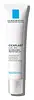 Key Ingredients
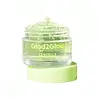
Benefits
Concerns
Ingredients Side-by-side
Glycerin 21%
Humectant


Water
Skin ConditioningDimethicone
Emollient
Panthenol
Skin Conditioning

Pentylene Glycol
Skin Conditioning
C30-45 Alkyl Dimethicone
Skin Conditioning
Polybutene
Sodium Citrate
BufferingPEG/PPG-18/18 Dimethicone
Emulsifying
Citric Acid
Buffering


Dimethiconol
Emollient
Polysorbate 20
Emulsifying
Madecassoside
Antioxidant


Caprylyl Glycol
Emollient
Sodium Hyaluronate
Humectant
Zinc Gluconate
Skin Conditioning



Copper Gluconate
Skin Conditioning
Manganese Gluconate
Skin ConditioningTocopherol
Antioxidant

Glycerin 21%, Water, Dimethicone, Panthenol, Pentylene Glycol, C30-45 Alkyl Dimethicone, Polybutene, Sodium Citrate, PEG/PPG-18/18 Dimethicone, Citric Acid, Dimethiconol, Polysorbate 20, Madecassoside, Caprylyl Glycol, Sodium Hyaluronate, Zinc Gluconate, Copper Gluconate, Manganese Gluconate, Tocopherol
Water
Skin ConditioningCentella Asiatica Leaf Extract
Skin Conditioning
Methyl Gluceth-10
EmulsifyingPropylene Glycol
Humectant
Butylene Glycol
Humectant
1,2-Hexanediol
Skin Conditioning
Hydroxyacetophenone
Antioxidant
Acrylates/C10-30 Alkyl Acrylate Crosspolymer
Emulsion StabilisingGlycerin
Humectant
Allantoin
Skin Conditioning
Aminomethyl Propanol
BufferingPentylene Glycol
Skin Conditioning
Hamamelis Virginiana Extract
Antiseborrhoeic
Gentiana Scabra Root Extract
Skin ConditioningMenthyl Lactate
Masking
Ethyl Menthane Carboxamide
TonicHydroxyphenyl Propamidobenzoic Acid
Skin ConditioningPanthenol
Skin Conditioning
Royal Jelly
Castanea Sativa Seed Extract
Skin ConditioningHelianthus Annuus Seed Extract
Skin Conditioning
Viola Tricolor Extract
EmollientGlycyrrhiza Inflata Root Extract
Skin Conditioning
Salix Alba Bark Extract
Astringent
Scutellaria Baicalensis Root Extract
Astringent
Sea Water
HumectantGlycine Soja Seed Extract
Skin Conditioning
Secale Cereale Seed Extract
Abrasive
Ectoin
Skin Conditioning
Sophora Flavescens Root Extract
Antioxidant
Fomes Officinalis Extract
Skin ProtectingPyrus Cydonia Seed Extract
MaskingHibiscus Abelmoschus Seed Extract
Masking
Ascorbyl Palmitate
Antioxidant
Panicum Miliaceum Seed Extract
Skin ConditioningPEG-40 Hydrogenated Castor Oil
Emulsifying
PPG-26-Buteth-26
Skin ConditioningDisodium EDTA
Methyl Diisopropyl Propionamide
MaskingCaprylyl Glycol
Emollient
Parfum
Masking
Bis-Ethoxydiglycol Cyclohexane 1,4-Dicarboxylate
EmollientXanthan Gum
EmulsifyingWater, Centella Asiatica Leaf Extract, Methyl Gluceth-10, Propylene Glycol, Butylene Glycol, 1,2-Hexanediol, Hydroxyacetophenone, Acrylates/C10-30 Alkyl Acrylate Crosspolymer, Glycerin, Allantoin, Aminomethyl Propanol, Pentylene Glycol, Hamamelis Virginiana Extract, Gentiana Scabra Root Extract, Menthyl Lactate, Ethyl Menthane Carboxamide, Hydroxyphenyl Propamidobenzoic Acid, Panthenol, Royal Jelly, Castanea Sativa Seed Extract, Helianthus Annuus Seed Extract, Viola Tricolor Extract, Glycyrrhiza Inflata Root Extract, Salix Alba Bark Extract, Scutellaria Baicalensis Root Extract, Sea Water, Glycine Soja Seed Extract, Secale Cereale Seed Extract, Ectoin, Sophora Flavescens Root Extract, Fomes Officinalis Extract, Pyrus Cydonia Seed Extract, Hibiscus Abelmoschus Seed Extract, Ascorbyl Palmitate, Panicum Miliaceum Seed Extract, PEG-40 Hydrogenated Castor Oil, PPG-26-Buteth-26, Disodium EDTA, Methyl Diisopropyl Propionamide, Caprylyl Glycol, Parfum, Bis-Ethoxydiglycol Cyclohexane 1,4-Dicarboxylate, Xanthan Gum
Reviews
Ingredients Explained
These ingredients are found in both products.
Ingredients higher up in an ingredient list are typically present in a larger amount.
Caprylyl Glycol is a humectant, skin conditioner, emollient, and preservative booster derived from either caprylic acid or synthetically created.
Typical use levels vary from 0.3-1% as a preservative booster and go up to 2% to condition skin.
Because it is not a free-fatty acid or alcohol, this ingredient is fungal acne safe (there's nothing for Malassezia to feed on).
Learn more about Caprylyl GlycolGlycerin (or glycerol) is a compound naturally found in your skin. It's a powerhouse humectant that pulls water into the stratum corneum.
Topically, glycerin does several things at once:
Your skin makes glycerin on its own (mostly from sebaceous oil breakdown) and shuttles it to your outermost layer of skin, or your epidermis, via aquaporin-3.
Aquaporin-3 is a transporter that is essential for normal skin hydration, elasticity, and repair. Interestingly, mice lacking in AQP3 have dry and less elastic skin that can be fully corrected with glycerin.
This ingredient is non-irritating, plays well with almost every ingredient, and works across all skin types. Typical use is anywhere between 3-10% but can go up to 79% in some leave-on products.
Just know very high concentrations (>40%) can feel tacky in low humidity.
Glycerin is the name for this ingredient in American English. British English uses Glycerol/Glycerine.
Learn more about GlycerinPanthenol is a common ingredient that helps hydrate and soothe the skin. It is found naturally in our skin and hair.
There are two forms of panthenol: D and L.
D-panthenol is also known as dexpanthenol. Most cosmetics use dexpanthenol or a mixture of D and L-panthenol.
Panthenol is famous due to its ability to go deeper into the skin's layers. Using this ingredient has numerous pros (and no cons):
Like hyaluronic acid, panthenol is a humectant. Humectants are able to bind and hold large amounts of water to keep skin hydrated.
This ingredient works well for wound healing. It works by increasing tissue in the wound and helps close open wounds.
Once oxidized, panthenol converts to pantothenic acid. Panthothenic acid is found in all living cells.
This ingredient is also referred to as pro-vitamin B5.
Learn more about PanthenolPentylene glycol is typically used within a product to thicken it. It also adds a smooth, soft, and moisturizing feel to the product. It is naturally found in plants such as sugar beets.
The hydrophilic trait of Pentylene Glycol makes it a humectant. As a humectant, Pentylene Glycol helps draw moisture from the air to your skin. This can help keep your skin hydrated.
This property also makes Pentylene Glycol a great texture enhancer. It can also help thicken or stabilize a product.
Pentylene Glycol also acts as a mild preservative and helps to keep a product microbe-free.
Some people may experience mild eye and skin irritation from Pentylene Glycol. We always recommend speaking with a professional about using this ingredient in your routine.
Pentylene Glycol has a low molecular weight and is part of the 1,2-glycol family.
Learn more about Pentylene GlycolWater. It's the most common cosmetic ingredient of all. You'll usually see it at the top of ingredient lists, meaning that it makes up the largest part of the product.
So why is it so popular? Water most often acts as a solvent - this means that it helps dissolve other ingredients into the formulation.
You'll also recognize water as that liquid we all need to stay alive. If you see this, drink a glass of water. Remember to stay hydrated!
Learn more about Water
