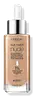
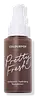
L'Oreal True Match Nude Hyaluronic Tinted Serum Versus Colourpop Pretty Fresh Hyaluronic Hydrating Foundation


What's inside
What's inside
 Key Ingredients
Benefits
Concerns
No concerns
Ingredients Side-by-side
Water
Skin ConditioningIsododecane
EmollientDimethicone
Emollient

Alcohol Denat.
Antimicrobial




Trimethylsiloxysilicate
Emollient
Butylene Glycol
Humectant

PEG-10 Dimethicone
Skin Conditioning
Perlite
Absorbent

Sodium Hyaluronate
Humectant


Nylon-12

Isopropyl Lauroyl Sarcosinate
Skin ConditioningDiisopropyl Sebacate
EmollientDisteardimonium Hectorite
StabilisingHdi/Trimethylol Hexyllactone Crosspolymer
Bis-PEG/PPG-14/14 Dimethicone
Emollient
Magnesium Sulfate
Synthetic Fluorphlogopite
Ethylhexyl Hydroxystearate
Emollient
Phenoxyethanol
Preservative
Cellulose
Absorbent
Dipentaerythrityl Tetrahydroxystearate/Tetraisostearate
Skin Conditioning
Silica Silylate
Emollient
Disodium Stearoyl Glutamate
CleansingCalcium Aluminum Borosilicate
Tocopherol
Antioxidant



Moroccan Lava Clay
Abrasive
Glycerin
Humectant
Empetrum Nigrum Fruit Juice
Skin ConditioningAluminum Hydroxide
EmollientSilica
Abrasive
Potassium Sorbate
Preservative
CI 77491
Cosmetic ColorantCI 77492
Cosmetic ColorantCI 77499
Cosmetic ColorantCI 77891
Cosmetic ColorantCI 77163
Cosmetic Colorant
Water, Isododecane, Dimethicone, Alcohol Denat., Trimethylsiloxysilicate, Butylene Glycol, PEG-10 Dimethicone, Perlite, Sodium Hyaluronate, Nylon-12, Isopropyl Lauroyl Sarcosinate, Diisopropyl Sebacate, Disteardimonium Hectorite, Hdi/Trimethylol Hexyllactone Crosspolymer, Bis-PEG/PPG-14/14 Dimethicone, Magnesium Sulfate, Synthetic Fluorphlogopite, Ethylhexyl Hydroxystearate, Phenoxyethanol, Cellulose, Dipentaerythrityl Tetrahydroxystearate/Tetraisostearate, Silica Silylate, Disodium Stearoyl Glutamate, Calcium Aluminum Borosilicate, Tocopherol, Moroccan Lava Clay, Glycerin, Empetrum Nigrum Fruit Juice, Aluminum Hydroxide, Silica, Potassium Sorbate, CI 77491, CI 77492, CI 77499, CI 77891, CI 77163
Water
Skin ConditioningCyclopentasiloxane
Emollient
Isopentyldiol
Humectant
Glycerin
Humectant
Diisopropyl Dimer Dilinoleate
Emollient
Polymethylsilsesquioxane
Hdi/Trimethylol Hexyllactone Crosspolymer
PEG-10 Dimethicone
Skin Conditioning
Polyglyceryl-6 Polyricinoleate
Emulsifying
Disteardimonium Hectorite
StabilisingSodium Chloride
MaskingCitrullus Lanatus Fruit Extract
Skin Conditioning
Sodium Hyaluronate
Humectant
Lens Esculenta Fruit Extract
Skin ConditioningCocos Nucifera Water
Masking
Malus Sylvestris Flower Extract
Antioxidant
Sodium Lactate
Buffering
Sodium PCA
Humectant
Cocos Nucifera Fruit Juice
Emollient
Phenoxyethanol
Preservative
Caprylyl Glycol
Emollient
Aluminum Dimyristate
Emulsion StabilisingTriethoxycaprylylsilane
Potassium Sorbate
Preservative
Disodium Stearoyl Glutamate
CleansingBHT
Antioxidant
Trisodium EDTA
Hexylene Glycol
EmulsifyingIron Oxides
CI 77891
Cosmetic ColorantWater, Cyclopentasiloxane, Isopentyldiol, Glycerin, Diisopropyl Dimer Dilinoleate, Polymethylsilsesquioxane, Hdi/Trimethylol Hexyllactone Crosspolymer, PEG-10 Dimethicone, Polyglyceryl-6 Polyricinoleate, Disteardimonium Hectorite, Sodium Chloride, Citrullus Lanatus Fruit Extract, Sodium Hyaluronate, Lens Esculenta Fruit Extract, Cocos Nucifera Water, Malus Sylvestris Flower Extract, Sodium Lactate, Sodium PCA, Cocos Nucifera Fruit Juice, Phenoxyethanol, Caprylyl Glycol, Aluminum Dimyristate, Triethoxycaprylylsilane, Potassium Sorbate, Disodium Stearoyl Glutamate, BHT, Trisodium EDTA, Hexylene Glycol, Iron Oxides, CI 77891
Reviews
Ingredients Explained
These ingredients are found in both products.
Ingredients higher up in an ingredient list are typically present in a larger amount.
Ci 77891 is a white pigment from Titanium dioxide. It is naturally found in minerals such as rutile and ilmenite.
It's main function is to add a white color to cosmetics. It can also be mixed with other colors to create different shades.
Ci 77891 is commonly found in sunscreens due to its ability to block UV rays.
Learn more about CI 77891DSG is used as a surfactant.
Surfactants are cleansing ingredients that help remove oil, dirt, and other impurities from the skin. They work by reducing surface tension between water and oils/dirt to allow them to be easily rinsed away.
Disteardimonium Hectorite comes from the clay mineral named hectorite. It is used to add thickness to a product.
It can also help stabilize a product by helping to disperse other ingredients.
Hectorite is a rare, white clay mineral.
Learn more about Disteardimonium HectoriteGlycerin (or glycerol) is a compound naturally found in your skin. It's a powerhouse humectant that pulls water into the stratum corneum.
Topically, glycerin does several things at once:
Your skin makes glycerin on its own (mostly from sebaceous oil breakdown) and shuttles it to your outermost layer of skin, or your epidermis, via aquaporin-3.
Aquaporin-3 is a transporter that is essential for normal skin hydration, elasticity, and repair. Interestingly, mice lacking in AQP3 have dry and less elastic skin that can be fully corrected with glycerin.
This ingredient is non-irritating, plays well with almost every ingredient, and works across all skin types. Typical use is anywhere between 3-10% but can go up to 79% in some leave-on products.
Just know very high concentrations (>40%) can feel tacky in low humidity.
Glycerin is the name for this ingredient in American English. British English uses Glycerol/Glycerine.
Learn more about GlycerinThis ingredient is a powder used to improve texture, slip, and give products a silky texture.
Peg-10 Dimethicone is silicone with conditioner and emulsifier properties. It mostly acts as an emollient in skincare and and humectant in haircare.
According to the manufacturer, acidic formulations decrease the stability of this ingredient. It works best in neutral or near neutral formulations.
Phenoxyethanol is a preservative that has germicide, antimicrobial, and aromatic properties. Studies show that phenoxyethanol can prevent microbial growth. By itself, it has a scent that is similar to that of a rose.
It's often used in formulations along with Caprylyl Glycol to preserve the shelf life of products.
Potassium Sorbate is a preservative used to prevent yeast and mold in products. It is commonly found in both cosmetic and food products.
This ingredient comes from potassium salt derived from sorbic acid. Sorbic acid is a natural antibiotic and effective against fungus.
Both potassium sorbate and sorbic acid can be found in baked goods, cheeses, dried meats, dried fruit, ice cream, pickles, wine, yogurt, and more.
You'll often find this ingredient used with other preservatives.
Learn more about Potassium SorbateSodium Hyaluronate is the salt form of hyaluronic acid. It is a long sugar chain that is naturally found in your skin, joints, and connective tissue that maintains hydration and elasticity.
In skincare, it works as a humectant. It pulls water from the environment and deeper layers of skin and binds it to the surface.
Interestingly, the size of the molecule affects its behavior:
Some clinical evidence links low molecular weight versions to improved wrinkle depth, elasticity, anti-inflammatory effects, and barrier repair.
Many serums use a blend of both weights so you can get surface hydration plus longer-lasting and deeper effects.
You'll typically see concentrations between 0.1-2% for this ingredient.
Learn more about Sodium HyaluronateWater. It's the most common cosmetic ingredient of all. You'll usually see it at the top of ingredient lists, meaning that it makes up the largest part of the product.
So why is it so popular? Water most often acts as a solvent - this means that it helps dissolve other ingredients into the formulation.
You'll also recognize water as that liquid we all need to stay alive. If you see this, drink a glass of water. Remember to stay hydrated!
Learn more about Water
