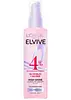
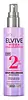
L'Oreal Elvive Glycolic + Gloss High Shine Leave-In Serum Versus L'Oreal Elvive Hyaluron Plump Moisture Plump Serum

What's inside
What's inside
 Key Ingredients
Benefits
Concerns
Ingredients Side-by-side
Water
Skin ConditioningPEG-40 Hydrogenated Castor Oil
Emulsifying


Dimethicone
Emollient

Parfum
Masking



Phenoxyethanol
Preservative
Sodium Hydroxide
BufferingHydroxyethylcellulose
Emulsion StabilisingSclerotium Gum
Emulsion StabilisingHydroxypropyl Guar
Emulsion StabilisingCetrimonium Chloride
Antimicrobial
Aminopropyl Dimethicone
Stearamidopropyl Dimethylamine
EmulsifyingLactic Acid
Buffering






Hexyl Cinnamal
Perfuming
Linalool
Perfuming
Limonene
Perfuming
Ethylhexyl Salicylate
UV Absorber

Hydroxycitronellal
Perfuming
Glycolic Acid
Buffering

Benzyl Benzoate
Antimicrobial
Citronellol
Perfuming
Disodium Phosphate
BufferingPolysorbate 60
Emulsifying
Benzyl Alcohol
Perfuming
Citral
Perfuming
Sodium Phosphate
BufferingWater, PEG-40 Hydrogenated Castor Oil, Dimethicone, Parfum, Phenoxyethanol, Sodium Hydroxide, Hydroxyethylcellulose, Sclerotium Gum, Hydroxypropyl Guar, Cetrimonium Chloride, Aminopropyl Dimethicone, Stearamidopropyl Dimethylamine, Lactic Acid, Hexyl Cinnamal, Linalool, Limonene, Ethylhexyl Salicylate, Hydroxycitronellal, Glycolic Acid, Benzyl Benzoate, Citronellol, Disodium Phosphate, Polysorbate 60, Benzyl Alcohol, Citral, Sodium Phosphate
Water
Skin ConditioningPolyquaternium-37
Parfum
Masking
Propylene Glycol Dicaprylate/Dicaprate
EmollientPolysorbate 20
Emulsifying
Quaternium-87
CleansingStearyl Alcohol
Emollient
Glycine Soja Oil
Emollient



Sodium Benzoate
Masking
Caprylyl Glycol
Emollient
Behentrimonium Chloride
Preservative
PPG-1 Trideceth-6
Skin ConditioningCocos Nucifera Oil
Masking
Euphorbia Cerifera Cera
Astringent
Propylene Glycol
Humectant
Citric Acid
Buffering
Isopropyl Alcohol
Solvent
Sorbitan Oleate
Emulsifying
Pentaerythrityl Tetra-Di-T-Butyl Hydroxyhydrocinnamate
Antioxidant
Polyquaternium-11
Sodium Hyaluronate
Humectant


Limonene
Perfuming
Coumarin
Perfuming
Water, Polyquaternium-37, Parfum, Propylene Glycol Dicaprylate/Dicaprate, Polysorbate 20, Quaternium-87, Stearyl Alcohol, Glycine Soja Oil, Sodium Benzoate, Caprylyl Glycol, Behentrimonium Chloride, PPG-1 Trideceth-6, Cocos Nucifera Oil, Euphorbia Cerifera Cera, Propylene Glycol, Citric Acid, Isopropyl Alcohol, Sorbitan Oleate, Pentaerythrityl Tetra-Di-T-Butyl Hydroxyhydrocinnamate, Polyquaternium-11, Sodium Hyaluronate, Limonene, Coumarin
Reviews
Ingredients Explained
These ingredients are found in both products.
Ingredients higher up in an ingredient list are typically present in a larger amount.
Limonene is the compound that gives citrus peel its smell.
In skincare, it shows up as a standalone fragrance ingredient or as a natural compound of citrus and other essential oils.
You'll typically see this ingredient used in very small amounts; anything above 0.001% in a leave-on product or 0.01% in a rinse-off has to be named on the label in the EU. The citrus oils that carry it sit around 0.5-1% in a finished formula.
Fresh limonene is a weak allergen; the real issue is that it slowly reacts with air and then breaks down from oxidation to create hydroperoxides (which are strong sensitizers). This is why suppliers are required to keep the peroxide value below 20 mmol.
Positive reactions in people being investigated for eczema vary:
It's worth skipping if you have a known fragrance allergy or a compromised barrier, but the risk is low for most people.
Older or long-opened products are also more likely to bother you than fresh ones due to oxidation.
Learn more about LimoneneParfum is a catch-all term for an ingredient or more that is used to give a scent to products.
Also called "fragrance", this ingredient can be a blend of hundreds of chemicals or plant oils. This means every product with "fragrance" or "parfum" in the ingredients list is a different mixture.
For instance, Habanolide is a proprietary trade name for a specific aroma chemical. When used as a fragrance ingredient in cosmetics, most aroma chemicals fall under the broad labeling category of “FRAGRANCE” or “PARFUM” according to EU and US regulations.
The term 'parfum' or 'fragrance' is not regulated in many countries. In many cases, it is up to the brand to define this term.
For instance, many brands choose to label themselves as "fragrance-free" because they are not using synthetic fragrances. However, their products may still contain ingredients such as essential oils that are considered a fragrance by INCI standards.
One example is Calendula flower extract. Calendula is an essential oil that still imparts a scent or 'fragrance'.
Depending on the blend, the ingredients in the mixture can cause allergies and sensitivities on the skin. Some ingredients that are known EU allergens include linalool and citronellol.
Parfum can also be used to mask or cover an unpleasant scent.
The bottom line is: not all fragrances/parfum/ingredients are created equally. If you are worried about fragrances, we recommend taking a closer look at an ingredient. And of course, we always recommend speaking with a professional.
Learn more about ParfumWater. It's the most common cosmetic ingredient of all. You'll usually see it at the top of ingredient lists, meaning that it makes up the largest part of the product.
So why is it so popular? Water most often acts as a solvent - this means that it helps dissolve other ingredients into the formulation.
You'll also recognize water as that liquid we all need to stay alive. If you see this, drink a glass of water. Remember to stay hydrated!
Learn more about Water

