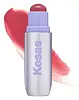
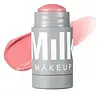
Kosas Impressionist Multistick Cream Cheek + Lip Color Versus Milk Makeup Lip + Cheek Cream Blush Stick

What's inside
What's inside
 Key Ingredients
Benefits
Concerns
Ingredients Side-by-side
Octyldodecanol
Emollient
Polyglyceryl-2 Triisostearate
Emulsifying

Bis-Diglyceryl Polyacyladipate-2
Emollient
Calcium Aluminum Borosilicate
Polyglyceryl-6 Polyricinoleate
Emulsifying
Euphorbia Cerifera Wax
Candelilla Cera
Emollient
Caprylic/Capric Triglyceride
Masking

Synthetic Wax
Abrasive

Helianthus Annuus Seed Wax
Skin Conditioning
Polyhydroxystearic Acid
Emulsifying
Stearalkonium Hectorite
Gel FormingCarthamus Tinctorius Seed Oil
Masking
Propylene Carbonate
SolventTocopheryl Acetate
Antioxidant


Astragalus Membranaceus Root Extract
Emollient
Spilanthes Acmella Flower/Leaf/Stem Extract
AntimicrobialUbiquinone
Antioxidant
Tocopherol
Antioxidant
Benzyl Alcohol
Perfuming






Alumina
Abrasive
CI 77891
Cosmetic ColorantCI 77491
Cosmetic ColorantCI 42090
Cosmetic ColorantCI 16035
Cosmetic ColorantOctyldodecanol, Polyglyceryl-2 Triisostearate, Bis-Diglyceryl Polyacyladipate-2, Calcium Aluminum Borosilicate, Polyglyceryl-6 Polyricinoleate, Euphorbia Cerifera Wax, Candelilla Cera, Caprylic/Capric Triglyceride, Synthetic Wax, Helianthus Annuus Seed Wax, Polyhydroxystearic Acid, Stearalkonium Hectorite, Carthamus Tinctorius Seed Oil, Propylene Carbonate, Tocopheryl Acetate, Astragalus Membranaceus Root Extract, Spilanthes Acmella Flower/Leaf/Stem Extract, Ubiquinone, Tocopherol, Benzyl Alcohol, Alumina, CI 77891, CI 77491, CI 42090, CI 16035
Ricinus Communis Seed Oil
Masking
Persea Gratissima Oil
Skin Conditioning
Ethylhexyl Palmitate
Emollient
Helianthus Annuus Seed Wax
Skin Conditioning
Euphorbia Cerifera Cera
Astringent
C12-15 Alkyl Benzoate
AntimicrobialIsononyl Isononanoate
EmollientSilica
Abrasive

Parfum
Masking
Citrus Aurantium Dulcis Peel Wax
Skin ConditioningMangifera Indica Seed Butter
Skin Conditioning
Prunus Armeniaca Kernel Oil
Masking
Tocopheryl Acetate
Antioxidant
Hydrogenated Vegetable Oil
Emollient
Mica
Cosmetic ColorantStearalkonium Hectorite
Gel FormingIsopropyl Myristate
Emollient
Polyhydroxystearic Acid
Emulsifying
Bis-Stearyl Dimethicone
Emollient
Isopropyl Titanium Triisostearate
Emollient
Synthetic Fluorphlogopite
Tin Oxide
Abrasive
Palmitic Acid
Emollient
Limonene
Perfuming
Linalool
Perfuming
CI 77891
Cosmetic ColorantCI 77492
Cosmetic ColorantCI 15850
Cosmetic ColorantCI 73360
Cosmetic ColorantCI 19140
Cosmetic ColorantRicinus Communis Seed Oil, Persea Gratissima Oil, Ethylhexyl Palmitate, Helianthus Annuus Seed Wax, Euphorbia Cerifera Cera, C12-15 Alkyl Benzoate, Isononyl Isononanoate, Silica, Parfum, Citrus Aurantium Dulcis Peel Wax, Mangifera Indica Seed Butter, Prunus Armeniaca Kernel Oil, Tocopheryl Acetate, Hydrogenated Vegetable Oil, Mica, Stearalkonium Hectorite, Isopropyl Myristate, Polyhydroxystearic Acid, Bis-Stearyl Dimethicone, Isopropyl Titanium Triisostearate, Synthetic Fluorphlogopite, Tin Oxide, Palmitic Acid, Limonene, Linalool, CI 77891, CI 77492, CI 15850, CI 73360, CI 19140
Reviews
Ingredients Explained
These ingredients are found in both products.
Ingredients higher up in an ingredient list are typically present in a larger amount.
Ci 77891 is a white pigment from Titanium dioxide. It is naturally found in minerals such as rutile and ilmenite.
It's main function is to add a white color to cosmetics. It can also be mixed with other colors to create different shades.
Ci 77891 is commonly found in sunscreens due to its ability to block UV rays.
Learn more about CI 77891Helianthus Annuus Seed Wax is created from the common sunflower.
Sunflower seed wax is made up of long chain non-glyceride esters, a small amount of fatty alcohols, and fatty acids.
This ingredient is often used to enhance the texture of products. The fatty acid properties also help hydrate the skin.
Learn more about Helianthus Annuus Seed WaxPolyhydroxystearic Acid is a vegetable-derived soft wax made from castor oil. It's an emulsion stabilizer, thickener, and film former.
You'll likely see it in sunscreens because it helps disperse pigments and UV-reflecting minerals like titanium dioxide and zinc oxide evenly.
Depending on the concentration, it can drastically change the texture of a product from pasty solid (like lipstick) to sprayable liquid.
The CIR Expert Panel for Cosmetic Ingredient Safety has concluded this ingredient to be safe in cosmetics. The highest reported use concentration is 14.2% in lipsticks.
Learn more about Polyhydroxystearic AcidStearalkonium Hectorite is a clay-derived ingredient used to thicken a product and help create a gel-like texture.
Tocopheryl Acetate is a stable, shelf-friendly form of vitamin E.
Formulators love it because plain vitamin E oxidizes quickly once it hits air. This acetate version stays stable and resists going off, helping to extend a product's shelf life.
It's actually inactive on its own and works like a slow-release "storage" form; the enzymes in your skin called esterases gradually convert it into active vitamin E over time.
One in vivo study showed 5% of the acetate in the living layer of the epidermis converted to vitamin E after 5 days of application. This study also found the skin gained protection against UV damage even though the conversion was slow and small.
Once converted, vitamin E acts as a skin's main fat-soluble antioxidant that fights free radicals to protect skin from damage.
Topical vitamin E generally boosts the skin's photoprotection, and it reduced UV-damage in animal models.
This ingredient has some brightening potential but it's more of a prevention ingredient than spot-fader. Cell studies show it can slow down melanin production but it's worth noting that it's not the most powerful brightener out there.
Overall, it has a pretty solid safety profile and has been found to be non-irritating and non-comedogenic. Allergic reactions may happen but stay rare due to how widely the ingredient gets used.
The concentration will vary depending on the formula; industry data shows 0.1% in baby lotions, 3% in lipsticks, and 5% in foot powders. You can also find this ingredient at 100% in a pure vitamin E oil.
Most leave-on skincare keeps it at the lower end, often between 0.5-1%.
Learn more about Tocopheryl Acetate

