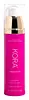
This brightening serum is formulated around Aloe Barbadensis Leaf Juice and Ascorbyl Glucoside to brighten dull-looking skin and fade the look of dark spots.
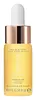
This hydrating oil is formulated around Rosa Canina Fruit Oil and Simmondsia Chinensis Seed Oil to hydrate skin and strengthen the skin barrier.

What's inside
What's inside
 Key Ingredients
Benefits
Concerns
Ingredients Side-by-side
Aloe Barbadensis Leaf Juice
Skin Conditioning


Ascorbyl Glucoside
Antioxidant




Glycerin
Humectant
Water
Skin ConditioningLactobacillus Ferment
Skin Conditioning
Lactobacillus/Acerola Cherry Ferment
Skin ProtectingPotassium Hydroxide
BufferingDicaprylyl Carbonate
EmollientCapsicum Annuum Fruit Extract
Antimicrobial
Lactobacillus
Skin ConditioningCitrus Limon Peel Extract
EmollientCocos Nucifera Fruit Extract
Emollient


Terminalia Ferdinandiana Fruit Extract
Antioxidant
Morinda Citrifolia Fruit Extract
Skin Conditioning
Hydrolyzed Sodium Hyaluronate
Skin Conditioning
Olea Europaea Leaf Extract
Perfuming
Zinc PCA
Humectant



Lysolecithin
EmulsifyingSclerotium Gum
Emulsion StabilisingXanthan Gum
EmulsifyingPullulan
Caprylic/Capric Triglyceride
Masking
Ascorbic Acid
Antioxidant
Leuconostoc/Radish Root Ferment Filtrate
Antimicrobial
Salvia Sclarea Extract
AntiseborrhoeicCitrus Aurantium Dulcis Peel Extract
Emulsion Stabilising
Potassium Sorbate
Preservative
Sodium Phytate
ChelatingSodium Benzoate
Masking
Citric Acid
Buffering
Sodium Salicylate
Preservative
Euterpe Oleracea Juice
Skin ConditioningTocopherol
Antioxidant
Silica
Abrasive
Maltodextrin
Absorbent
Alcohol
Antimicrobial


Glycine Soja Oil
Emollient

Quartz
Abrasive
Citral
Perfuming
Limonene
Perfuming
Linalool
Perfuming
Aloe Barbadensis Leaf Juice, Ascorbyl Glucoside, Glycerin, Water, Lactobacillus Ferment, Lactobacillus/Acerola Cherry Ferment, Potassium Hydroxide, Dicaprylyl Carbonate, Capsicum Annuum Fruit Extract, Lactobacillus, Citrus Limon Peel Extract, Cocos Nucifera Fruit Extract, Terminalia Ferdinandiana Fruit Extract, Morinda Citrifolia Fruit Extract, Hydrolyzed Sodium Hyaluronate, Olea Europaea Leaf Extract, Zinc PCA, Lysolecithin, Sclerotium Gum, Xanthan Gum, Pullulan, Caprylic/Capric Triglyceride, Ascorbic Acid, Leuconostoc/Radish Root Ferment Filtrate, Salvia Sclarea Extract, Citrus Aurantium Dulcis Peel Extract, Potassium Sorbate, Sodium Phytate, Sodium Benzoate, Citric Acid, Sodium Salicylate, Euterpe Oleracea Juice, Tocopherol, Silica, Maltodextrin, Alcohol, Glycine Soja Oil, Quartz, Citral, Limonene, Linalool
Rosa Canina Fruit Oil
Emollient
Simmondsia Chinensis Seed Oil
Emollient
Helianthus Annuus Seed Oil
Emollient
Tocopherol
Antioxidant
Caprylic/Capric Triglyceride
Masking
Morinda Citrifolia Fruit Extract
Skin Conditioning
Vitis Vinifera Fruit Extract
Skin ConditioningLavandula Angustifolia Flower/Leaf/Stem Extract
Masking
Jasminum Officinale Flower/Leaf Extract
Masking
Eugenia Caryophyllus Flower Extract
AstringentRosa Damascena Flower Oil
Masking
Punica Granatum Seed Oil
Emollient
Hippophae Rhamnoides Seed Oil
Skin Protecting
Geraniol
Perfuming
Citronellol
Perfuming
Farnesol
Perfuming
Citral
Perfuming
Rosa Canina Fruit Oil, Simmondsia Chinensis Seed Oil, Helianthus Annuus Seed Oil, Tocopherol, Caprylic/Capric Triglyceride, Morinda Citrifolia Fruit Extract, Vitis Vinifera Fruit Extract, Lavandula Angustifolia Flower/Leaf/Stem Extract, Jasminum Officinale Flower/Leaf Extract, Eugenia Caryophyllus Flower Extract, Rosa Damascena Flower Oil, Punica Granatum Seed Oil, Hippophae Rhamnoides Seed Oil, Geraniol, Citronellol, Farnesol, Citral
Reviews
Ingredients Explained
These ingredients are found in both products.
Ingredients higher up in an ingredient list are typically present in a larger amount.
Caprylic/Capric Triglyceride (aka MCT Oil) is a lightweight emollient, solvent, and texture enhancer. It is considered a skin-softener by helping to prevent moisture loss.
Though it behaves like an oil, it is not technically one due to its chemical composition. One perk of this ingredient is that it is very stable, resistant to oxidation, and unlikely to go rancid.
In practice, that translates to a long shelf life and a consistently elegant skin feel.
While there is an assumption Caprylic Triglyceride can clog pores due to it being derived from coconut oil, there is no research supporting this. Just patch test if you have concerns.
Fractionated coconut oil and MCT Oil are both listed as Caprylic/Capric Triglyceride according to INCI. This is because INCI names are based on the ingredient’s final chemical composition and not its marketing name or source.
This ingredient is treated as the gold standard fungal acne safe oil. Even though it is coconut derived, the problematic lauric acid is stripped out.
This leaves just caprylic (C8) and capric (C10) acid. These chain lengths actually trend antifungal; a 2020 study found caprylic acid was enough to disrupt Malassezia furfur cell membrane, with a caprylic acid derivative damaging membrane structures at concentrations as low as 0.2%.
Learn more about Caprylic/Capric TriglycerideCitral is the molecule responsible for the fresh lemon scent in lemon, lime, and lemongrass. It is a fragrance ingredient that can be created from plant essential oils or synthetically.
Though Citral has documented antimicrobial activity against acne bacteria (which is where the marketing claims about it being good for acne-prone skin originate), real formulas use it at fragrance-level concentrations under 1% so there's likely no skin benefit.
You should know this ingredient is a known EU fragrance allergen.
Animal studies classifies this ingredient as a weak-to-moderate skin sensitizer and clinical patch testing on eczema patients confirmed it to be both a contact allergen and irritant.
The term 'citral' is a collective term for two geometric isomers: geranial/Citral A and neral/Citral B.
The term 'fragrance' is not regulated in many countries. In many cases, it is up to the brand to define this term. For instance, many brands choose to label themselves as "fragrance-free" because they are not using synthetic fragrances. However, their products may still contain ingredients such as essential oils that are considered a fragrance.
Learn more about CitralMorinda Citrifolia Fruit Extract is also known as yaeyama aoki, noni, or the great morinda. This fruit is packed with bioactive compounds that give it skin conditioning and antioxidant properties.
Research on this ingredient has shown some interesting results: a clinical trial on 49 women (ages 38-55) found the daily use of noni-based skincare improved skin firmness and elasticity by up to ~42.4% over six weeks.
Lab studies have also demonstrated that some of the compounds can inhibit tyrosinase ans elastase, enzymes involved in pigmentation and the breaking down of skin's elastic fibers.
Fun fact: This ingredient has been used in Polynesian folk medicine for over 2,000 years.
Learn more about Morinda Citrifolia Fruit ExtractTocopherol is a fat-soluble antioxidant known as Vitamin E.
You'll find this ingredient in the vast majority of skincare (for good reason). It works to neutralize free radicals, or unstable molecules generated by UV exposure, pollution, and other environmental stressors, before they can cause oxidative damage to your skin cells.
Topically applied tocopherol has been shown to protect against UV damage by ramping up the skin's own natural defense enzymes.
It also acts as a skin conditioning agent; some studies show that regular topical use can improve the skin's water-binding capacity over 2-4 weeks.
This ingredient is especially loved for being a team player. When combined with Vitamin C, the photoprotective effect of both ingredients roughly doubles and the combo also helps reduce UV-induced DNA damage.
This ingredient has some brightening potential but it's more of a prevention ingredient than spot-fader. Cell studies show it can slow down melanin production but it's worth noting that it's not the most powerful brightener out there.
In formulations, it also serves as a stabilizer that helps protect other oxidation-prone ingredients from degrading.
Concentrations usually range from 0.1-1% in most leave-on products.
Learn more about Tocopherol

