
What's inside
What's inside
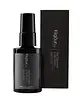 Key Ingredients
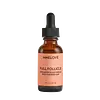
Benefits
Concerns
No concerns
Ingredients Side-by-side
Water
Skin ConditioningPropanediol
Solvent

Glycerin
Humectant
Sodium Metabisulfite
Antioxidant

Larix Europaea Wood Extract
HumectantGlycine
Buffering
Zinc Chloride
AntimicrobialCamellia Sinensis Leaf Extract
Antimicrobial





Phospholipids
Skin Conditioning
Caffeine
Skin Conditioning
Emblica Officinalis Fruit Extract
Skin ConditioningPanax Ginseng Root Extract
Emollient
Cucurbita Pepo Cotyledon Extract
Skin ConditioningRosmarinus Officinalis Leaf Extract
AntimicrobialSerenoa Serrulata Fruit Extract
Skin Conditioning
Phenoxyethanol
Preservative
Ethylhexylglycerin
Skin ConditioningCurcuma Longa Root Extract
Antioxidant
Panthenol
Skin Conditioning
Hydroxyethylcellulose
Emulsion StabilisingPinus Pinaster Bark Extract
Antioxidant
Sodium Phytate
ChelatingWater, Propanediol, Glycerin, Sodium Metabisulfite, Larix Europaea Wood Extract, Glycine, Zinc Chloride, Camellia Sinensis Leaf Extract, Phospholipids, Caffeine, Emblica Officinalis Fruit Extract, Panax Ginseng Root Extract, Cucurbita Pepo Cotyledon Extract, Rosmarinus Officinalis Leaf Extract, Serenoa Serrulata Fruit Extract, Phenoxyethanol, Ethylhexylglycerin, Curcuma Longa Root Extract, Panthenol, Hydroxyethylcellulose, Pinus Pinaster Bark Extract, Sodium Phytate
Water
Skin ConditioningAlcohol
Antimicrobial




Glycerin
Humectant
Butylene Glycol
Humectant
Sorbitan Oleate Decylglucoside Crosspolymer
CleansingNiacinamide
Smoothing



Caffeine
Skin Conditioning
Panthenol
Skin Conditioning
Acetyl Tetrapeptide-3
Skin Protecting
Trifolium Pratense Flower Extract
AstringentArginine
Masking
Sh-Polypeptide-11
Sh-Polypeptide-1
Skin Conditioning
Sh-Oligopeptide-2
Skin Conditioning
Sh-Oligopeptide-10
Skin Conditioning
Sh-Polypeptide-9
Skin Conditioning
Malus Domestica Fruit Cell Culture Extract
Skin ConditioningResveratrol
Antioxidant
Biotin
AntiseborrhoeicSodium Hyaluronate
Humectant
Aloe Barbadensis Leaf Juice
Skin Conditioning
Panax Ginseng Root Extract
Emollient
Vitis Vinifera Seed Extract
Antimicrobial
Magnolia Acuminata Bark Extract
Skin ConditioningCamellia Sinensis Leaf Extract
Antimicrobial
Rosmarinus Officinalis Leaf Extract
AntimicrobialEucalyptus Globulus Leaf Extract
Perfuming
Tocopherol
Antioxidant
Xanthan Gum
EmulsifyingLecithin
Emollient
Dextran
Polysorbate 20
Emulsifying
Sodium Benzoate
Masking
Citric Acid
Buffering
Sodium Citrate
BufferingCitrus Aurantium Bergamia Peel Oil
Perfuming


Citrus Grandis Peel Oil
Masking
Propanediol
Solvent
Caprylyl Glycol
Emollient
Water, Alcohol, Glycerin, Butylene Glycol, Sorbitan Oleate Decylglucoside Crosspolymer, Niacinamide, Caffeine, Panthenol, Acetyl Tetrapeptide-3, Trifolium Pratense Flower Extract, Arginine, Sh-Polypeptide-11, Sh-Polypeptide-1, Sh-Oligopeptide-2, Sh-Oligopeptide-10, Sh-Polypeptide-9, Malus Domestica Fruit Cell Culture Extract, Resveratrol, Biotin, Sodium Hyaluronate, Aloe Barbadensis Leaf Juice, Panax Ginseng Root Extract, Vitis Vinifera Seed Extract, Magnolia Acuminata Bark Extract, Camellia Sinensis Leaf Extract, Rosmarinus Officinalis Leaf Extract, Eucalyptus Globulus Leaf Extract, Tocopherol, Xanthan Gum, Lecithin, Dextran, Polysorbate 20, Sodium Benzoate, Citric Acid, Sodium Citrate, Citrus Aurantium Bergamia Peel Oil, Citrus Grandis Peel Oil, Propanediol, Caprylyl Glycol
Ingredients Explained
These ingredients are found in both products.
Ingredients higher up in an ingredient list are typically present in a larger amount.
Caffeine is a naturally occurring plant compound found in coffee beans, tea leaves, cocoa pods, and guarana.
As an antioxidant, caffeine protects your skin from free radical damage caused by UV exposure and envionrmnetal stressors.
Early research also shows that caffeine can help calm redness, soothe irritated skin, and support hair growth by stimulating microcirculation in the scalp.
You might have seen eye creams marketing caffeine as a depuffing ingredient. This is because it is a vasoconstrictor meaning it can temporarily constrict blood vessels, though clinical evidence for this specific use is still limited.
Most skincare products contain this ingredient at concentrations between 1-6%. It is able to penetrate skin easily regardless of skin type or thickness.
Just so you know, a very small number of case reports describe caffeine-induced allergy. This ingredient is generally well-tolerated, non-irritating, and non-sensitizing for the majority of people.
Learn more about CaffeineCamellia Sinensis Leaf Extract (tea extract) is one of the most well-researched plant extracts in skincare with an impressive resume.
Black tea, green tea, and oolong tea are all harvested from the Camellia Sinensis plant.
Studies show green tea extract and its catechins (like epigallocatechin gallate (EGCG)) help your skin cells product energy more efficiently and reducing the number of free-radicals that can damage your skin from the inside.
In lab-grown skin models, this translated to younger, healthier, and stronger skin.
There's also good sun protection data; researchers saw less DNA damage and redness on human skin when green tea was applied before UVB exposure. And the more they applied, the better the protection.
Needless to say, this ingredient shouldn't replace your sunscreen. But it is a great supportive ingredient that you can already find in many sunscreens and antioxidant serums.
A 2009 study found a 2% green tea lotion was effective for mild-to-moderate acne thanks to its anti-inflammatory and mild antimicrobial activity.
The quality of the extract matters a lot here:
Good extracts contain 50-90% catechins while lower quality ones are mostly there for marketing. We recommend reaching out to the brand if you have questions about the quality or source of their ingredients.
Human Repeated Insult Patch Testing showed no irritation or sensitization at use concentrations (0.86% in leave-on products and up to 30% as leaf water).
Learn more about Camellia Sinensis Leaf ExtractGlycerin (or glycerol) is a compound naturally found in your skin. It's a powerhouse humectant that pulls water into the stratum corneum.
Topically, glycerin does several things at once:
Your skin makes glycerin on its own (mostly from sebaceous oil breakdown) and shuttles it to your outermost layer of skin, or your epidermis, via aquaporin-3.
Aquaporin-3 is a transporter that is essential for normal skin hydration, elasticity, and repair. Interestingly, mice lacking in AQP3 have dry and less elastic skin that can be fully corrected with glycerin.
This ingredient is non-irritating, plays well with almost every ingredient, and works across all skin types. Typical use is anywhere between 3-10% but can go up to 79% in some leave-on products.
Just know very high concentrations (>40%) can feel tacky in low humidity.
Glycerin is the name for this ingredient in American English. British English uses Glycerol/Glycerine.
Learn more about GlycerinGinseng root is a well-loved ingredient in Asian skincare for good reason. It hydrates the skin, soothes irritation, and helps even out skin tone.
In traditional East Asian medicine, ginseng has been used for centuries both as food and as a healing remedy, and modern research continues to confirm its skin benefits.
One of the standout features of ginseng is its ability to improve blood circulation and oxygen delivery to the skin, bringing a fresh supply of nutrients to support overall skin health. It also has antioxidant and anti-inflammatory properties. This helps to protect your skin against damage from UV exposure, pollution, and daily stress.
Additionally, studies suggest that ginseng may help reduce hyperpigmentation by inhibiting tyrosinase, the enzyme involved in melanin production.
There are different types of ginseng used in skincare, and while they all share core benefits, their potency can vary.
Most products use fresh or white ginseng because it’s more affordable. However, red ginseng, produced by steaming the root, contains higher levels of ginsenosides, which are compounds with proven anti-aging effects. These ginsenosides help reduce the appearance of wrinkles and improve skin elasticity.
Note: All forms of ginseng are listed simply as “Panax ginseng” in ingredient lists. We recommend reaching out to the brand if you have questions about which type of ginseng is used in their ingredients.
For general antioxidant benefits, any ginseng extract will do, but for wrinkle care or firmer skin, red or fermented ginseng is often more effective.
In short, ginseng is a powerhouse ingredient that supports hydration, radiance, and resilience.
Learn more about Panax Ginseng Root ExtractPanthenol is a common ingredient that helps hydrate and soothe the skin. It is found naturally in our skin and hair.
There are two forms of panthenol: D and L.
D-panthenol is also known as dexpanthenol. Most cosmetics use dexpanthenol or a mixture of D and L-panthenol.
Panthenol is famous due to its ability to go deeper into the skin's layers. Using this ingredient has numerous pros (and no cons):
Like hyaluronic acid, panthenol is a humectant. Humectants are able to bind and hold large amounts of water to keep skin hydrated.
This ingredient works well for wound healing. It works by increasing tissue in the wound and helps close open wounds.
Once oxidized, panthenol converts to pantothenic acid. Panthothenic acid is found in all living cells.
This ingredient is also referred to as pro-vitamin B5.
Learn more about PanthenolPropanediol is an all-star ingredient. It softens, hydrates, and smooths the skin.
It’s often used to:
Propanediol is not likely to cause sensitivity and considered safe to use. It is derived from corn or petroleum with a clear color and no scent.
Learn more about PropanediolThis is a botanical extract from the rosemary plant (the same one you cook with). In skincare, it mostly works as a skin conditioning agent.
Its activity comes from a handful of polyphenols, carnosic acid, carnosol, and rosmarinic acid. Almost 90% of the antioxidant activity of this ingredient can be attributed to canosol and carnosic acid.
These compounds protect your skin two ways:
1) They fight off free radicals, or the unstable molecules from things like sun and pollution that age and damage skin.
2) They help calm inflammation by switching off the chemical signals that tell skin to get red and irritated.
Lab studies also suggest that rosmarinic acid may help protect collagen and slow sugar-related damage to it.
The Cosmetic Ingredient Review has concluded rosemary-derived ingredients to be safe when formulated to be non-sensitizing.
Rosemary can occasionally cause allergic contact dermatitis (due to carnosol), so be sure to patch test if you have reactive or fragrance-sensitive skin.
Learn more about Rosmarinus Officinalis Leaf ExtractWater. It's the most common cosmetic ingredient of all. You'll usually see it at the top of ingredient lists, meaning that it makes up the largest part of the product.
So why is it so popular? Water most often acts as a solvent - this means that it helps dissolve other ingredients into the formulation.
You'll also recognize water as that liquid we all need to stay alive. If you see this, drink a glass of water. Remember to stay hydrated!
Learn more about Water

