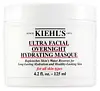
This hydrating overnight mask is formulated around Squalane and Butyrospermum Parkii Butter to hydrate skin and strengthen the skin barrier.

What's inside
What's inside
 Key Ingredients
Benefits
Concerns
Ingredients Side-by-side
Water
Skin ConditioningGlycerin
Humectant


Propylene Glycol
Humectant

Squalane
Emollient
Butyrospermum Parkii Butter
Skin Conditioning


Triethanolamine
BufferingCarbomer
Emulsion StabilisingUrea
Buffering

Dimethicone
Emollient
Hydroxyethylpiperazine Ethane Sulfonic Acid
BufferingPhenoxyethanol
Preservative
Caprylyl Glycol
Emollient
Imperata Cylindrica Root Extract
Skin ConditioningOphiopogon Japonicus Root Extract
Skin ConditioningSodium Citrate
BufferingCitric Acid
Buffering

Aluminum Starch Octenylsuccinate
Absorbent
Chlorphenesin
Antimicrobial
Pseudoalteromonas Ferment Extract
Humectant
Disodium EDTA
ChelatingAcrylates/C10-30 Alkyl Acrylate Crosspolymer
Emulsion StabilisingWater, Glycerin, Propylene Glycol, Squalane, Butyrospermum Parkii Butter, Triethanolamine, Carbomer, Urea, Dimethicone, Hydroxyethylpiperazine Ethane Sulfonic Acid, Phenoxyethanol, Caprylyl Glycol, Imperata Cylindrica Root Extract, Ophiopogon Japonicus Root Extract, Sodium Citrate, Citric Acid, Aluminum Starch Octenylsuccinate, Chlorphenesin, Pseudoalteromonas Ferment Extract, Disodium EDTA, Acrylates/C10-30 Alkyl Acrylate Crosspolymer
Paraffinum Liquidum
Emollient

Paraffin
Skin Conditioning
Ozokerite
Emulsion StabilisingDimethicone
Emollient
Hyaluronic Acid
Humectant
Sodium Hydroxide
BufferingCeramide EOP
Skin Conditioning

Ceramide NP
Skin Conditioning
Ceramide AP
Skin Conditioning
Tocopheryl Acetate
Antioxidant

Phytosphingosine
Skin Conditioning
Cholesterol
Emollient
Sodium Lauroyl Lactylate
EmulsifyingCarbomer
Emulsion StabilisingPanthenol
Skin Conditioning
Water
Skin ConditioningProline
Skin Conditioning
Xanthan Gum
Emulsifying
Reviews
Alternatives
Ingredients Explained
These ingredients are found in both products.
Ingredients higher up in an ingredient list are typically present in a larger amount.
Carbomer is a synthetic thickening and gelling agent. It's basically the ingredient that gives a lot of serums, gels, creams, and sunscreens their smooth, non-sticky texture.
Although legally permitted at very high levels, carbomers are normally used at concentrations below 1%.
It also needs to be neutralized to actually thicken, and because it is a large molecule, it doesn't really penetrate the skin barrier.
Allergy-wise, the risk is very low. Clinical studies show carbomers have low potential for skin irritation/sensitization even at concentrations up to 100%.
A 2024 UK study patch-tested 1,302 patients and found true allergy to the parent group of carbomer to be rare with no confirmed relevant reactions.
Learn more about CarbomerDimethicone is a type of synthetic silicone created from natural materials such as quartz. It is also known as polydimethylsiloxane.
What it does:
Dimethicone comes in different viscosities:
Depending on the viscosity, dimethicone has different properties.
Ingredients lists don't always show which type is used, so we recommend reaching out to the brand if you have questions about the viscosity.
This ingredient is unlikely to cause irritation because it does not get absorbed into skin. However, people with silicone allergies should be careful about using this ingredient.
Note: Dimethicone may contribute to pilling. This is because it is not oil or water soluble, so pilling may occur when layered with products. When mixed with heavy oils in a formula, the outcome is also quite greasy.
Learn more about DimethiconeWater. It's the most common cosmetic ingredient of all. You'll usually see it at the top of ingredient lists, meaning that it makes up the largest part of the product.
So why is it so popular? Water most often acts as a solvent - this means that it helps dissolve other ingredients into the formulation.
You'll also recognize water as that liquid we all need to stay alive. If you see this, drink a glass of water. Remember to stay hydrated!
Learn more about Water

