

What's inside
What's inside
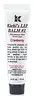 Key Ingredients
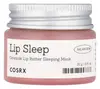
Benefits
Concerns
Ingredients Side-by-side
Caprylic/Capric Triglyceride
Masking


Butyrospermum Parkii Butter
Skin Conditioning


PPG-5 Pentaerythrityl Ether
EmollientPEG-5 Pentaerythrityl Ether
EmollientOctyldodecanol
Emollient
Pentaerythrityl Tetraisostearate
Emollient
Squalane
Emollient
Hydrogenated Vegetable Oil
Emollient
Silica Silylate
Emollient
Glycine Soja Sterols
Emollient
Helianthus Annuus Seed Wax
Skin Conditioning
Pentylene Glycol
Skin Conditioning
Tocopherol
Antioxidant




Pentaerythrityl Tetra-Di-T-Butyl Hydroxyhydrocinnamate
Antioxidant
Citric Acid
Buffering

Caprylic/Capric Triglyceride, Butyrospermum Parkii Butter, PPG-5 Pentaerythrityl Ether, PEG-5 Pentaerythrityl Ether, Octyldodecanol, Pentaerythrityl Tetraisostearate, Squalane, Hydrogenated Vegetable Oil, Silica Silylate, Glycine Soja Sterols, Helianthus Annuus Seed Wax, Pentylene Glycol, Tocopherol, Pentaerythrityl Tetra-Di-T-Butyl Hydroxyhydrocinnamate, Citric Acid
Bis-Diglyceryl Polyacyladipate-2
Emollient
Butyrospermum Parkii Butter
Skin Conditioning
Cocos Nucifera Oil
Masking
Ricinus Communis Seed Oil
Masking
Polyglyceryl-3 Distearate
Emulsifying
Phytosteryl/Isostearyl/Cetyl/Stearyl/Behenyl Dimer Dilinoleate
Skin Conditioning
Simmondsia Chinensis Seed Oil
Emollient
Caprylic/Capric Triglyceride
Masking
Beeswax
Emulsion Stabilising
Ozokerite
Emulsion StabilisingPolyethylene
Abrasive

Mangifera Indica Seed Butter
Skin Conditioning
Euphorbia Cerifera Wax
Glyceryl Stearate Citrate
Emollient
Ethylhexylglycerin
Skin ConditioningGlycerin
Humectant
Ceramide NP
Skin Conditioning

Phytosphingosine
Skin Conditioning
Bis-Diglyceryl Polyacyladipate-2, Butyrospermum Parkii Butter, Cocos Nucifera Oil, Ricinus Communis Seed Oil, Polyglyceryl-3 Distearate, Phytosteryl/Isostearyl/Cetyl/Stearyl/Behenyl Dimer Dilinoleate, Simmondsia Chinensis Seed Oil, Caprylic/Capric Triglyceride, Beeswax, Ozokerite, Polyethylene, Mangifera Indica Seed Butter, Euphorbia Cerifera Wax, Glyceryl Stearate Citrate, Ethylhexylglycerin, Glycerin, Ceramide NP, Phytosphingosine
Reviews
Ingredients Explained
These ingredients are found in both products.
Ingredients higher up in an ingredient list are typically present in a larger amount.
This ingredient is also known as shea butter. It is a plant-derived extract from the nuts of the Africa shea tree and one of the most well-studied emollients.
Because it has a high concentration of fatty acids (primarily oleic, stearic, and linoleic) it is able to form a protective barrier on the skin's surface. This helps seal in moisture and prevents transepidermal water loss (TEWL).
In vitro research found an increase in skin hydration by 58% and a decrease in TEWL by 37.8% after 24 hours of applying this ingredient (pretty impressive for a single ingredient!).
Besides hydration, shea butter also contains triterpenes that have anti-inflammatory potential. In particule, lupeol cinnamate has shown the highest anti-inflammatory activity in vivo.
Shea butter also contains vitamins A and E which may contribute to antioxidant activity.
While Shea Butter has an SPF rating of about 3-4, it is not a sunscreen replacement.
This ingredient may not be fungal acne safe because its fatty acids fall within the C11-C24 range that the Malassezia yeast can metabolize.
Learn more about Butyrospermum Parkii ButterCaprylic/Capric Triglyceride (aka MCT Oil) is a lightweight emollient, solvent, and texture enhancer. It is considered a skin-softener by helping to prevent moisture loss.
Though it behaves like an oil, it is not technically one due to its chemical composition. One perk of this ingredient is that it is very stable, resistant to oxidation, and unlikely to go rancid.
In practice, that translates to a long shelf life and a consistently elegant skin feel.
While there is an assumption Caprylic Triglyceride can clog pores due to it being derived from coconut oil, there is no research supporting this. Just patch test if you have concerns.
Fractionated coconut oil and MCT Oil are both listed as Caprylic/Capric Triglyceride according to INCI. This is because INCI names are based on the ingredient’s final chemical composition and not its marketing name or source.
This ingredient is treated as the gold standard fungal acne safe oil. Even though it is coconut derived, the problematic lauric acid is stripped out.
This leaves just caprylic (C8) and capric (C10) acid. These chain lengths actually trend antifungal; a 2020 study found caprylic acid was enough to disrupt Malassezia furfur cell membrane, with a caprylic acid derivative damaging membrane structures at concentrations as low as 0.2%.
Learn more about Caprylic/Capric Triglyceride
