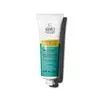
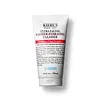
Kiehl's Gently Effective Acne-Treating Cleansing Paste Versus Kiehl's Ultra Facial Barrier-Hydrating Cleanser
This salicylic acid cream cleanser is formulated around Salicylic Acid to clear breakouts and unclog pores.
This mild cream cleanser is made to cleanse without leaving your skin tight or dry.

What's inside
What's inside
 Key Ingredients
Benefits
Concerns
Ingredients Side-by-side
Water
Skin ConditioningGlycerin
Humectant


Kaolin
Abrasive



Sodium Cocoyl Isethionate
Cleansing
Glyceryl Stearate Se
Emulsifying




Cetyl Alcohol
Emollient
Niacinamide
Smoothing






Salicylic Acid
Masking



Glycolipids
Skin ConditioningAlpha-Glucan Oligosaccharide
Cleansing
Carrageenan
Beta-Glucan
Skin Conditioning
Centella Asiatica Extract
Cleansing
Ceramide NP
Skin Conditioning
Chitosan
Lactic Acid
Buffering
Sodium Benzoate
Masking
Sodium Hydroxide
BufferingTrisodium Ethylenediamine Disuccinate
ChelatingWater, Glycerin, Kaolin, Sodium Cocoyl Isethionate, Glyceryl Stearate Se, Cetyl Alcohol, Niacinamide, Salicylic Acid, Glycolipids, Alpha-Glucan Oligosaccharide, Carrageenan, Beta-Glucan, Centella Asiatica Extract, Ceramide NP, Chitosan, Lactic Acid, Sodium Benzoate, Sodium Hydroxide, Trisodium Ethylenediamine Disuccinate
Water
Skin ConditioningGlycerin
Humectant
Sodium Cocoyl Glycinate
Cleansing
Sodium Chloride
MaskingGlycol Distearate
Emollient
Disodium Laureth Sulfosuccinate
CleansingCitric Acid
Buffering
Glyceryl Stearate
Emollient
PEG-100 Stearate
Surfactant
Phenoxyethanol
Preservative
Hydroxyacetophenone
Antioxidant
Kaolin
Abrasive
Hydroxypropyl Starch Phosphate
Caprylyl Glycol
Emollient
Acrylates Copolymer
Behenyl Alcohol
Emollient
Magnesium Gluconate
Skin ConditioningSqualane
Emollient
Trisodium Ethylenediamine Disuccinate
ChelatingPanthenol
Skin Conditioning
Water, Glycerin, Sodium Cocoyl Glycinate, Sodium Chloride, Glycol Distearate, Disodium Laureth Sulfosuccinate, Citric Acid, Glyceryl Stearate, PEG-100 Stearate, Phenoxyethanol, Hydroxyacetophenone, Kaolin, Hydroxypropyl Starch Phosphate, Caprylyl Glycol, Acrylates Copolymer, Behenyl Alcohol, Magnesium Gluconate, Squalane, Trisodium Ethylenediamine Disuccinate, Panthenol
Reviews
Ingredients Explained
These ingredients are found in both products.
Ingredients higher up in an ingredient list are typically present in a larger amount.
Glycerin (or glycerol) is a compound naturally found in your skin. It's a powerhouse humectant that pulls water into the stratum corneum.
Topically, glycerin does several things at once:
Your skin makes glycerin on its own (mostly from sebaceous oil breakdown) and shuttles it to your outermost layer of skin, or your epidermis, via aquaporin-3.
Aquaporin-3 is a transporter that is essential for normal skin hydration, elasticity, and repair. Interestingly, mice lacking in AQP3 have dry and less elastic skin that can be fully corrected with glycerin.
This ingredient is non-irritating, plays well with almost every ingredient, and works across all skin types. Typical use is anywhere between 3-10% but can go up to 79% in some leave-on products.
Just know very high concentrations (>40%) can feel tacky in low humidity.
Glycerin is the name for this ingredient in American English. British English uses Glycerol/Glycerine.
Learn more about GlycerinKaolin is a clay. It is used for oil control and to help minimize pores. Like other clays, kaolin has the ability to absorb excess sebum or oil. This can help clean out pores and mattify the skin.
Some types of kaolin may have exfoliating properties. When water is added to kaolin, it becomes a paste with small abrasive particles.
Most kaolin is a white color, but may be pink/orange/red depending on where it comes from.
The name 'kaolin' comes from a Chinese village named 'Gaoling'. Kaolin clay comes from rocks rich in kaolinite. Kaolinite, the mineral, has a silicate layered structure. Kaolinite is formed from chemical weathering of aluminum siilicate minerals.
Besides skincare, kaolin is commonly used to make glossy paper, in ceramics, toothpaste, and as medicine to soothe stomach issues.
Learn more about KaolinTrisodium Ethylenediamine Disuccinate is used to help stabilize a product.
It is a chelating agent, meaning it helps prevent metal ions from binding to other ingredients. This prevents unwanted reactions in products. Metal ions can come into a product via the water ingredient. They are found in trace amounts and are not known to be harmful.
Water. It's the most common cosmetic ingredient of all. You'll usually see it at the top of ingredient lists, meaning that it makes up the largest part of the product.
So why is it so popular? Water most often acts as a solvent - this means that it helps dissolve other ingredients into the formulation.
You'll also recognize water as that liquid we all need to stay alive. If you see this, drink a glass of water. Remember to stay hydrated!
Learn more about Water

