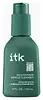
This mild gel cleanser is made to cleanse without leaving your skin tight or dry.
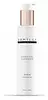
This mild gel cleanser is made to cleanse without leaving your skin tight or dry.

What's inside
What's inside
 Key Ingredients
Benefits
Concerns
Ingredients Side-by-side
Water
Skin ConditioningSodium Cocoyl Isethionate
Cleansing
Cocamidopropyl Hydroxysultaine
Cleansing
Cocamidopropyl Betaine
Cleansing


Glycerin
Humectant


Sodium Benzoate
Masking
Propanediol
Solvent
PEG-120 Methyl Glucose Dioleate
Emulsifying
Caprylyl/Capryl Glucoside
CleansingSodium Chloride
MaskingGlycol Distearate
Emollient
Laureth-4
Emulsifying
Guar Hydroxypropyltrimonium Chloride
Skin ConditioningPanthenol
Skin Conditioning

Disodium EDTA
ChelatingSodium Hyaluronate
Humectant

Bromelain
Skin Conditioning
Water, Sodium Cocoyl Isethionate, Cocamidopropyl Hydroxysultaine, Cocamidopropyl Betaine, Glycerin, Sodium Benzoate, Propanediol, PEG-120 Methyl Glucose Dioleate, Caprylyl/Capryl Glucoside, Sodium Chloride, Glycol Distearate, Laureth-4, Guar Hydroxypropyltrimonium Chloride, Panthenol, Disodium EDTA, Sodium Hyaluronate, Bromelain
Water
Skin ConditioningDecyl Glucoside
Cleansing
Cocamidopropyl Hydroxysultaine
Cleansing
Cocamidopropyl Betaine
Cleansing
Cocamide Mipa
Emulsifying
PEG-150 Pentaerythrityl Tetrastearate
Emulsifying
Glycol Distearate
Emollient
Aloe Barbadensis Leaf Extract
Emollient
Cucumis Sativus Fruit Extract
Emollient
Kaempferia Galanga Root Extract
Skin ConditioningSalvia Sclarea Extract
AntiseborrhoeicCitrus Aurantium Dulcis Peel Oil
Masking

Prunus Amygdalus Dulcis Oil
Skin Conditioning
Citrus Grandis Peel Oil
Masking


Citrus Aurantifolia Oil
Cleansing
Zingiber Officinale Root Oil
Masking
Citrus Aurantium Bergamia Fruit Oil
Masking
Mentha Piperita Oil
Masking
Sodium Hyaluronate
Humectant
Saccharide Isomerate
Humectant
Panthenol
Skin Conditioning
Glycerin
Humectant
Disodium Laureth Sulfosuccinate
CleansingDisodium Lauryl Sulfosuccinate
CleansingPEG-6 Caprylic/Capric Glycerides
EmulsifyingDisodium EDTA
ChelatingCitric Acid
Buffering

Sodium Hydroxide
BufferingMethylchloroisothiazolinone
Preservative
Methylisothiazolinone
Preservative
Water, Decyl Glucoside, Cocamidopropyl Hydroxysultaine, Cocamidopropyl Betaine, Cocamide Mipa, PEG-150 Pentaerythrityl Tetrastearate, Glycol Distearate, Aloe Barbadensis Leaf Extract, Cucumis Sativus Fruit Extract, Kaempferia Galanga Root Extract, Salvia Sclarea Extract, Citrus Aurantium Dulcis Peel Oil, Prunus Amygdalus Dulcis Oil, Citrus Grandis Peel Oil, Citrus Aurantifolia Oil, Zingiber Officinale Root Oil, Citrus Aurantium Bergamia Fruit Oil, Mentha Piperita Oil, Sodium Hyaluronate, Saccharide Isomerate, Panthenol, Glycerin, Disodium Laureth Sulfosuccinate, Disodium Lauryl Sulfosuccinate, PEG-6 Caprylic/Capric Glycerides, Disodium EDTA, Citric Acid, Sodium Hydroxide, Methylchloroisothiazolinone, Methylisothiazolinone
Reviews
Ingredients Explained
These ingredients are found in both products.
Ingredients higher up in an ingredient list are typically present in a larger amount.
Cocamidopropyl Betaine is a fatty acid created by mixing similar compounds in coconut oil and dimethylaminopropylamine, a compound with two amino groups.
This ingredient is a surfactant and cleanser. It helps gather the dirt, pollutants, and other impurities in your skin to be washed away. It also helps thicken a product and make the texture more creamy.
Being created from coconut oil means Cocamidopropyl Betaine is hydrating for the skin.
While Cocamidopropyl Betaine was believed to be an allergen, a study from 2012 disproved this. It found two compounds in unpure Cocamidopropyl Betaine to be the irritants: aminoamide and 3-dimethylaminopropylamine. High-grade and pure Cocamidopropyl Betaine did not induce allergic reactions during this study.
Learn more about Cocamidopropyl BetaineCocamidopropyl Hydroxysultaine is a synthetic cleansing agent, though it is derived from coconut oil.
It is used to enhance the texture of products by boosting lather and thickening the texture. As a cleanser, Cocamidopropyl Hydroxysultaine is mild.
Disodium EDTA is a chelating agent. It grabs onto and deactivates metal ions that sneak into your products from water, packaging, or air.
This ingredient mainly works behind the scenes and helps with:
On top of that, this ingredient can counteract the effects of hard water by binding to the minerals in it.
One thing worth knowing is that Disodium EDTA has been shown to be a mild penetration enhancer. It can help other ingredients absorb into skin more effectively which can be a double-edged sword (great for actives, but can also make the active too strong if you have sensitive skin).
Clinical patch testing showed no significant skin irritation at typical use concentrations and minimal dermal absorption.
You'll most likely see this ingredient near the end of an ingredient list. It's typically found in concentrations less than 1%.
Learn more about Disodium EDTAGlycerin (or glycerol) is a compound naturally found in your skin. It's a powerhouse humectant that pulls water into the stratum corneum.
Topically, glycerin does several things at once:
Your skin makes glycerin on its own (mostly from sebaceous oil breakdown) and shuttles it to your outermost layer of skin, or your epidermis, via aquaporin-3.
Aquaporin-3 is a transporter that is essential for normal skin hydration, elasticity, and repair. Interestingly, mice lacking in AQP3 have dry and less elastic skin that can be fully corrected with glycerin.
This ingredient is non-irritating, plays well with almost every ingredient, and works across all skin types. Typical use is anywhere between 3-10% but can go up to 79% in some leave-on products.
Just know very high concentrations (>40%) can feel tacky in low humidity.
Glycerin is the name for this ingredient in American English. British English uses Glycerol/Glycerine.
Learn more about GlycerinGlycol Distearate is an emulsifier and emollient that adds a "pearly" appearance to formulations.
That lustrous look you see in many shampoos is due to this ingredient: when cooled, it crystallizes into small platelets that reflect light to give products that rich, shimmering look.
This ingredient is considered safe at present practices of use and concentration and repeated insult patch test with 50% Glycol Distearate on 125 subjects found no evidence of skin irritation, hypersensitivity, or acute toxicity.
Typical use concentrations range from 0.1-10%.
Because it's an ester of stearic acid, it falls into the range that Malassezia likes to metabolize. This ingredient may not be fungal acne safe.
Learn more about Glycol DistearatePanthenol is a common ingredient that helps hydrate and soothe the skin. It is found naturally in our skin and hair.
There are two forms of panthenol: D and L.
D-panthenol is also known as dexpanthenol. Most cosmetics use dexpanthenol or a mixture of D and L-panthenol.
Panthenol is famous due to its ability to go deeper into the skin's layers. Using this ingredient has numerous pros (and no cons):
Like hyaluronic acid, panthenol is a humectant. Humectants are able to bind and hold large amounts of water to keep skin hydrated.
This ingredient works well for wound healing. It works by increasing tissue in the wound and helps close open wounds.
Once oxidized, panthenol converts to pantothenic acid. Panthothenic acid is found in all living cells.
This ingredient is also referred to as pro-vitamin B5.
Learn more about PanthenolSodium Hyaluronate is the salt form of hyaluronic acid. It is a long sugar chain that is naturally found in your skin, joints, and connective tissue that maintains hydration and elasticity.
In skincare, it works as a humectant. It pulls water from the environment and deeper layers of skin and binds it to the surface.
Interestingly, the size of the molecule affects its behavior:
Some clinical evidence links low molecular weight versions to improved wrinkle depth, elasticity, anti-inflammatory effects, and barrier repair.
Many serums use a blend of both weights so you can get surface hydration plus longer-lasting and deeper effects.
You'll typically see concentrations between 0.1-2% for this ingredient.
Learn more about Sodium HyaluronateWater. It's the most common cosmetic ingredient of all. You'll usually see it at the top of ingredient lists, meaning that it makes up the largest part of the product.
So why is it so popular? Water most often acts as a solvent - this means that it helps dissolve other ingredients into the formulation.
You'll also recognize water as that liquid we all need to stay alive. If you see this, drink a glass of water. Remember to stay hydrated!
Learn more about Water

