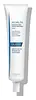
This oil-control treatment is formulated around Zinc PCA and Piroctone Olamine to balance excess oil and calm redness.
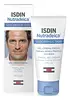
This calming treatment is formulated around Glycolic Acid and Glycyrrhetinic Acid to calm redness and refine skin texture.


What's inside
What's inside
 Key Ingredients
Benefits
Concerns
Ingredients Side-by-side
Water
Skin ConditioningGlycerin
Humectant


Acetamide Mea
Foam BoostingIsodecyl Neopentanoate
EmollientCyclopentasiloxane
Emollient
Pentylene Glycol
Skin Conditioning
Cetyl Alcohol
Emollient



Cyclohexasiloxane
Emollient
Sclerotium Gum
Emulsion StabilisingZinc PCA
Humectant




Piroctone Olamine
Preservative
Polyacrylamide
Polymethyl Methacrylate
Butylene Glycol
Humectant
Stearyl Glycyrrhetinate
Skin ConditioningC13-14 Isoparaffin
Emollient
Glyceryl Stearate
Emollient
PEG-100 Stearate
Surfactant
Acrylates/C10-30 Alkyl Acrylate Crosspolymer
Emulsion StabilisingDimethicone/Vinyl Dimethicone Crosspolymer
Skin Conditioning
Sodium Hydroxide
BufferingLaureth-7
EmulsifyingBiosaccharide Gum-2
Skin ConditioningDisodium EDTA
ChelatingHydroxyphenyl Propamidobenzoic Acid
Skin ConditioningAscorbyl Palmitate
Antioxidant


Water, Glycerin, Acetamide Mea, Isodecyl Neopentanoate, Cyclopentasiloxane, Pentylene Glycol, Cetyl Alcohol, Cyclohexasiloxane, Sclerotium Gum, Zinc PCA, Piroctone Olamine, Polyacrylamide, Polymethyl Methacrylate, Butylene Glycol, Stearyl Glycyrrhetinate, C13-14 Isoparaffin, Glyceryl Stearate, PEG-100 Stearate, Acrylates/C10-30 Alkyl Acrylate Crosspolymer, Dimethicone/Vinyl Dimethicone Crosspolymer, Sodium Hydroxide, Laureth-7, Biosaccharide Gum-2, Disodium EDTA, Hydroxyphenyl Propamidobenzoic Acid, Ascorbyl Palmitate
Water
Skin ConditioningCaprylic/Capric Triglyceride
Masking
Dimethicone
Emollient
Dicaprylyl Ether
Emollient
Cetearyl Alcohol
Emollient

Lactamide Mea
HumectantGlycolic Acid
Buffering





Guanidine Carbonate
BufferingGlyceryl Stearate
Emollient
Polymethyl Methacrylate
Ceteareth-33
CleansingBisabolol
Antioxidant
Ethanolamine
BufferingGlycyrrhetinic Acid
Skin Conditioning
Piroctone Olamine
Preservative
Serenoa Serrulata Fruit Extract
Skin Conditioning
Sodium Chloride
MaskingTetrasodium EDTA
ChelatingTocopherol
Antioxidant
Water, Caprylic/Capric Triglyceride, Dimethicone, Dicaprylyl Ether, Cetearyl Alcohol, Lactamide Mea, Glycolic Acid, Guanidine Carbonate, Glyceryl Stearate, Polymethyl Methacrylate, Ceteareth-33, Bisabolol, Ethanolamine, Glycyrrhetinic Acid, Piroctone Olamine, Serenoa Serrulata Fruit Extract, Sodium Chloride, Tetrasodium EDTA, Tocopherol
Reviews
Ingredients Explained
These ingredients are found in both products.
Ingredients higher up in an ingredient list are typically present in a larger amount.
Glyceryl Stearate is made by reacting glycerin with stearic acid (typically sourced from plant oils like palm or coconut). It's an emulsifier, emollient, and mild occlusive.
Emulsifiers help ingredients like oil and water stay mixed so your formula stays nicely blended and uniform in texture.
This ingredient is typically used in concentrations between 1-10%. Studies have found it to be non-sensitizing, non-phototoxic, and non-photoallergenic.
A close cousin of this ingredient is Glyceryl Stearate SE ("self-emulsifying"). This just has a small amount of sodium or potassium stearate added so it can emulsify without a co-emulsifier.
Since this ingredient is an ester of a C18 fatty acid, it may not be fungal acne safe. The Malassezia yeast can potentially metabolize within the C11-C24 range.
Fun fact: The human body also creates Glyceryl Stearate naturally.
Learn more about Glyceryl StearatePiroctone Olamine is a synthetic antifungal and preservative ingredient.
Its main job is to keep the yeast, Malassezia, in check; this yeast is linked to dandruff, seborrheic dermatitis, and fungal acne (a.k.a. Malassezia folliculitis).
The way it works is pretty neat:
It slips into the fungal cell and grabs onto iron ions that the yeast needs for its energy metabolism; this basically starves it out. But the full mechanism isn't 100% pinned down and some research also points it to interfering with ergosterol (a building block of the fungal cell membrane).
Besides antifungal action, it also has mild anti-inflammatory and soothing effects to help calm itchiness in the scalp.
Typical usage concentrations are low. The EU permits it to be a preservative up to 1% in rinse-off products and 0.5% in leave-on products.
Though it's generally well-tolerated, a small number of people may notice itching or irritation (as with any active).
Learn more about Piroctone OlamineThis ingredient is also known as PMMA. It is a polymer microsphere, composed of tiny, perfectly spherical particles formed from repeating units.
In cosmetics, PMMA is mainly used to give a soft or blurring effect. The transparent particles are able to scatter light and help reduce the appearance of fine-lines and imperfections.
PMMA is also able to enhance the texture of products by add a smooth feel.
Learn more about Polymethyl MethacrylateWater. It's the most common cosmetic ingredient of all. You'll usually see it at the top of ingredient lists, meaning that it makes up the largest part of the product.
So why is it so popular? Water most often acts as a solvent - this means that it helps dissolve other ingredients into the formulation.
You'll also recognize water as that liquid we all need to stay alive. If you see this, drink a glass of water. Remember to stay hydrated!
Learn more about Water


