

What's inside
What's inside
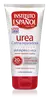 Key Ingredients
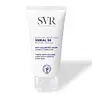
Benefits
Concerns
Ingredients Side-by-side
Water
Skin ConditioningUrea
Buffering




Paraffinum Liquidum
Emollient


Dimethicone
Emollient

Propylene Glycol
Humectant
Cetyl Alcohol
Emollient


Cetearyl Alcohol
Emollient
Cetearyl Ethylhexanoate
Emollient
Isopropyl Myristate
Emollient
PEG-8 Distearate
Emulsifying
Glyceryl Stearate
Emollient
Hydroxyethyl Urea
Humectant
PEG-100 Stearate
Surfactant
Phenoxyethanol
Preservative
Parfum
Masking

Triethanolamine
BufferingCarbomer
Emulsion StabilisingAllantoin
Skin Conditioning

Caprylyl Glycol
Emollient
Tetrasodium Glutamate Diacetate
ChelatingHexyl Cinnamal
Perfuming
Citronellol
Perfuming
Coumarin
Perfuming
Limonene
Perfuming
Geraniol
Perfuming
Linalool
Perfuming
Water, Urea, Paraffinum Liquidum, Dimethicone, Propylene Glycol, Cetyl Alcohol, Cetearyl Alcohol, Cetearyl Ethylhexanoate, Isopropyl Myristate, PEG-8 Distearate, Glyceryl Stearate, Hydroxyethyl Urea, PEG-100 Stearate, Phenoxyethanol, Parfum, Triethanolamine, Carbomer, Allantoin, Caprylyl Glycol, Tetrasodium Glutamate Diacetate, Hexyl Cinnamal, Citronellol, Coumarin, Limonene, Geraniol, Linalool
Urea
Buffering
Water
Skin ConditioningGlycerin
Humectant
Butyrospermum Parkii Butter
Skin Conditioning
Triethanolamine
BufferingIsohexadecane
EmollientSalicylic Acid
Masking





Octyldodecanol
Emollient
Polyacrylate-13
Bacillus Ferment
Skin Conditioning
Serine
Masking
Histidine
Humectant
Octyldodecyl Xyloside
EmulsifyingPEG-30 Dipolyhydroxystearate
Emulsifying
Polyisobutene
Polysorbate 20
Emulsifying
Sorbitan Isostearate
Emulsifying
Propylene Glycol
Humectant
Disodium EDTA
ChelatingCitric Acid
Buffering
Potassium Sorbate
Preservative
Urea, Water, Glycerin, Butyrospermum Parkii Butter, Triethanolamine, Isohexadecane, Salicylic Acid, Octyldodecanol, Polyacrylate-13, Bacillus Ferment, Serine, Histidine, Octyldodecyl Xyloside, PEG-30 Dipolyhydroxystearate, Polyisobutene, Polysorbate 20, Sorbitan Isostearate, Propylene Glycol, Disodium EDTA, Citric Acid, Potassium Sorbate
Ingredients Explained
These ingredients are found in both products.
Ingredients higher up in an ingredient list are typically present in a larger amount.
Propylene Glycol is a synthetic, colorless, odorless liquid that has been a staple in cosmetics for decades. It is a skin conditioning agent, humectant, and solvent.
As a humectant, it draw water to the skin to reduce flaking and restore suppleness. It's also a solvent that helps dissolve other actives and keeps formulas stable across temperature changes.
The CIR Expert Panel has confirmed this ingredient to be nontoxic and clinical studies show no sensitization at cosmetic use concentrations.
True allergic reactions are quite rare: a 15-year retrospective study of 6,751 patients found only 0.31% had a positive reaction (and less than half were considered clinically relevant).
It seemed that when sensitization does occur, it's most commonly linked to topical medication (like corticosteroids) and not cosmetics. Allergic contact dermatitis also appears largely limited to individuals with underlying skin conditions.
Overall, propylene glycol is a well-studied ingredient that most people can tolerate without issue.
Learn more about Propylene GlycolTriethanolamine (TEA) is an emulsifier and pH adjuster. It is created using ethylene oxide and ammonia. This gives Triethanolamine a nitrogen core and a similar scent to ammonia.
As an emulsifier, it prevents ingredients from separating and enhances texture by adding volume to a product.
PH adjusters are common in cosmetic products. The pH of a product can affect the effectiveness of other ingredients. A product with a high pH may also irritate the skin.
If you are looking for the tea leaf ingredient, click here.
Learn more about TriethanolamineUrea is also called carbamide and is the diamide of carbonic acid. In cosmetics, urea is used to hydrate the skin. It also provides exfoliation in higher concentrations.
As a humectant, urea helps draw moisture from the air and from deep within the skin. This helps hydrate your skin. Studies show urea is an effective moisturizer for dry skin conditions. 40% urea is typical in medications for treating eczema and other skin conditions.
Urea has the strongest exfoliation effect in concentrations higher than 10%. It is a keratolytic agent, meaning it breaks down the keratin protein in the top layer of skin. This helps remove dead skin cells and flaking skin.
In medicine, urea has been shown to help increase the potency of other ingredients, such as fungal treatments.
Humans and animals use urea to metabolize nitrogen-containing compounds. Urea is highly soluble in water. Once dissolved, it is neither acidic nor alkaline.
Urea is actually one of the more well-studied and well-supported ingredients out there if you have eczema.
Clinical trials have shown that urea creams in the 5 - 10% range can:
Higher concentrations (20 -30%) can also help with thickened, scaly patches but is also more likely to sting on active flares.
Skip urea if you have rosacea. The AAD (American Academy of Dermatology) lists it alongside alcohol, menthol, and fragrance as a potential irritant for rosacea-prone skin. Urea's keratolytic and penetration-enhancing properties can trigger stinging, burning, and redness.
As always, your skin is unique, so definitely check in with your dermatologist.
Learn more about UreaWater. It's the most common cosmetic ingredient of all. You'll usually see it at the top of ingredient lists, meaning that it makes up the largest part of the product.
So why is it so popular? Water most often acts as a solvent - this means that it helps dissolve other ingredients into the formulation.
You'll also recognize water as that liquid we all need to stay alive. If you see this, drink a glass of water. Remember to stay hydrated!
Learn more about Water

