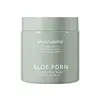
This wash off mask is made with Kaolin and Aloe Barbadensis Leaf Extract for a rinse-off oil-control boost.

What's inside
What's inside
 Key Ingredients
Benefits
Concerns
No concerns
Ingredients Side-by-side
Water
Skin ConditioningKaolin
Abrasive



Propanediol
Solvent

Silica
Abrasive
Bentonite
Absorbent
Glycerin
Humectant
CI 77891
Cosmetic ColorantMicrocrystalline Cellulose
AbsorbentAscorbyl Glucoside
Antioxidant



Volcanic Ash
Abrasive
Citrus Unshiu Peel Extract
MaskingOrchid Extract
Skin ConditioningOpuntia Coccinellifera Fruit Extract
Skin ConditioningCamellia Japonica Leaf Extract
Skin ConditioningCamellia Sinensis Leaf Extract
Antimicrobial
1,2-Hexanediol
Skin Conditioning
Cellulose Gum
Emulsion StabilisingXanthan Gum
EmulsifyingGlyceryl Caprylate
EmollientDisodium EDTA
ChelatingCI 77492
Cosmetic ColorantWater, Kaolin, Propanediol, Silica, Bentonite, Glycerin, CI 77891, Microcrystalline Cellulose, Ascorbyl Glucoside, Volcanic Ash, Citrus Unshiu Peel Extract, Orchid Extract, Opuntia Coccinellifera Fruit Extract, Camellia Japonica Leaf Extract, Camellia Sinensis Leaf Extract, 1,2-Hexanediol, Cellulose Gum, Xanthan Gum, Glyceryl Caprylate, Disodium EDTA, CI 77492
Water
Skin ConditioningKaolin
Abrasive
Dipropylene Glycol
HumectantBentonite
Absorbent
Betaine
Humectant
1,2-Hexanediol
Skin Conditioning
Glycerin
Humectant
Cellulose
Absorbent
Methylpropanediol
SolventCollagen
Moisturising
Xanthan Gum
EmulsifyingTitanium Dioxide
Cosmetic Colorant

Centella Asiatica Extract
Cleansing
Ficus Carica Fruit Extract
Humectant
Sodium Hyaluronate
Humectant
Dimethylsilanol Hyaluronate
Humectant
Hydrolyzed Sodium Hyaluronate
Skin Conditioning
Hyaluronic Acid
Humectant
Potassium Hyaluronate
Skin ConditioningSodium Hyaluronate Crosspolymer
Humectant
Hydroxypropyltrimonium Hyaluronate
Sodium Hyaluronate Dimethylsilanol
HumectantSodium Acetylated Hyaluronate
Humectant
Beta-Glucan
Skin Conditioning
Hydrolyzed Hyaluronic Acid
Humectant
Ceramide NP
Skin Conditioning
Aloe Barbadensis Leaf Extract
Emollient
Sodium DNA
Skin Conditioning
Hydrogenated Polydecene
EmollientEthylhexylglycerin
Skin ConditioningHydroxyacetophenone
Antioxidant
Butylene Glycol
Humectant
Macrocystis Pyrifera Extract
Skin Conditioning

CI 77288
Cosmetic ColorantScutellaria Baicalensis Extract
AntimicrobialMethyl Diisopropyl Propionamide
MaskingHydrogenated Lecithin
Emulsifying
Fructooligosaccharides
Humectant
Tocopherol
Antioxidant

Disodium EDTA
ChelatingLeuconostoc Ferment Filtrate
AntimicrobialWater, Kaolin, Dipropylene Glycol, Bentonite, Betaine, 1,2-Hexanediol, Glycerin, Cellulose, Methylpropanediol, Collagen, Xanthan Gum, Titanium Dioxide, Centella Asiatica Extract, Ficus Carica Fruit Extract, Sodium Hyaluronate, Dimethylsilanol Hyaluronate, Hydrolyzed Sodium Hyaluronate, Hyaluronic Acid, Potassium Hyaluronate, Sodium Hyaluronate Crosspolymer, Hydroxypropyltrimonium Hyaluronate, Sodium Hyaluronate Dimethylsilanol, Sodium Acetylated Hyaluronate, Beta-Glucan, Hydrolyzed Hyaluronic Acid, Ceramide NP, Aloe Barbadensis Leaf Extract, Sodium DNA, Hydrogenated Polydecene, Ethylhexylglycerin, Hydroxyacetophenone, Butylene Glycol, Macrocystis Pyrifera Extract, CI 77288, Scutellaria Baicalensis Extract, Methyl Diisopropyl Propionamide, Hydrogenated Lecithin, Fructooligosaccharides, Tocopherol, Disodium EDTA, Leuconostoc Ferment Filtrate
Reviews
Ingredients Explained
These ingredients are found in both products.
Ingredients higher up in an ingredient list are typically present in a larger amount.
1,2-Hexanediol is a synthetic liquid and another multi-functional powerhouse.
It is a:
- Humectant, drawing moisture into the skin
- Emollient, helping to soften skin
- Solvent, dispersing and stabilizing formulas
- Preservative booster, enhancing the antimicrobial activity of other preservatives
Bentonite is an aluminium phyllosilicate clay with great absorbent properties. The name 'bentonite' comes from the area where the largest source is found: Fort Benton, Wyoming.
As a clay, bentonite is often used to absorb excess oil and provide exfoliation. It has also been shown to have some antibacterial and anti-inflammatory properties. Studies show bentonite was effective at calming dermatitis from poison ivy and in diaper dermatitis of infants. Bentonite has also been shown to act as a barrier against toxic compounds on your skin.
Sunscreens containing bentonite display higher water resistance and stay on the skin for much longer. The sunscreens containing bentonite also show higher potency and UV light absorbtion.
Bentonite is naturally created from volcanic ash and several natural weathering/hydrothermal processes.
A common usage of bentonite is removing excess protein from white wines. Bentonite contains a property of being able to absorb large amounts of protein from aqueous solutions.
Phyllosilicate clay has a structure formed by sheets.
Learn more about BentoniteDisodium EDTA is a chelating agent. It grabs onto and deactivates metal ions that sneak into your products from water, packaging, or air.
This ingredient mainly works behind the scenes and helps with:
On top of that, this ingredient can counteract the effects of hard water by binding to the minerals in it.
One thing worth knowing is that Disodium EDTA has been shown to be a mild penetration enhancer. It can help other ingredients absorb into skin more effectively which can be a double-edged sword (great for actives, but can also make the active too strong if you have sensitive skin).
Clinical patch testing showed no significant skin irritation at typical use concentrations and minimal dermal absorption.
You'll most likely see this ingredient near the end of an ingredient list. It's typically found in concentrations less than 1%.
Learn more about Disodium EDTAGlycerin (or glycerol) is a compound naturally found in your skin. It's a powerhouse humectant that pulls water into the stratum corneum.
Topically, glycerin does several things at once:
Your skin makes glycerin on its own (mostly from sebaceous oil breakdown) and shuttles it to your outermost layer of skin, or your epidermis, via aquaporin-3.
Aquaporin-3 is a transporter that is essential for normal skin hydration, elasticity, and repair. Interestingly, mice lacking in AQP3 have dry and less elastic skin that can be fully corrected with glycerin.
This ingredient is non-irritating, plays well with almost every ingredient, and works across all skin types. Typical use is anywhere between 3-10% but can go up to 79% in some leave-on products.
Just know very high concentrations (>40%) can feel tacky in low humidity.
Glycerin is the name for this ingredient in American English. British English uses Glycerol/Glycerine.
Learn more about GlycerinKaolin is a clay. It is used for oil control and to help minimize pores. Like other clays, kaolin has the ability to absorb excess sebum or oil. This can help clean out pores and mattify the skin.
Some types of kaolin may have exfoliating properties. When water is added to kaolin, it becomes a paste with small abrasive particles.
Most kaolin is a white color, but may be pink/orange/red depending on where it comes from.
The name 'kaolin' comes from a Chinese village named 'Gaoling'. Kaolin clay comes from rocks rich in kaolinite. Kaolinite, the mineral, has a silicate layered structure. Kaolinite is formed from chemical weathering of aluminum siilicate minerals.
Besides skincare, kaolin is commonly used to make glossy paper, in ceramics, toothpaste, and as medicine to soothe stomach issues.
Learn more about KaolinWater. It's the most common cosmetic ingredient of all. You'll usually see it at the top of ingredient lists, meaning that it makes up the largest part of the product.
So why is it so popular? Water most often acts as a solvent - this means that it helps dissolve other ingredients into the formulation.
You'll also recognize water as that liquid we all need to stay alive. If you see this, drink a glass of water. Remember to stay hydrated!
Learn more about WaterXanthan gum is used as a stabilizer and thickener within cosmetic products. It helps give products a sticky, thick feeling - preventing them from being too runny.
On the technical side of things, xanthan gum is a polysaccharide - a combination consisting of multiple sugar molecules bonded together.
Xanthan gum is a pretty common and great ingredient. It is a natural, non-toxic, non-irritating ingredient that is also commonly used in food products.
Learn more about Xanthan Gum

