This oil-based makeup remover is made to dissolve makeup, sunscreen, and daily buildup.
This oil-based makeup remover is made to dissolve makeup, sunscreen, and daily buildup.

What's inside
What's inside
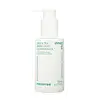 Key Ingredients
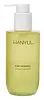
No key ingredients
Benefits
Concerns
Ingredients Side-by-side
Cetyl Ethylhexanoate
EmollientIsopropyl Palmitate
Emollient




Sorbeth-30 Tetraoleate
Emulsifying
Caprylic/Capric Triglyceride
Masking


Decyl Cocoate
Emollient
C9-12 Alkane
SolventDiisostearyl Malate
EmollientParfum
Masking


Coco-Caprylate/Caprate
Emollient
Prunus Armeniaca Kernel Oil
Masking
Simmondsia Chinensis Seed Oil
Emollient
Oryza Sativa Bran Oil
Emollient

Camellia Sinensis Seed Oil
Humectant
Prunus Amygdalus Dulcis Oil
Skin Conditioning
Water
Skin ConditioningArginine
Masking
Butylene Glycol
Humectant
Propanediol
Solvent
1,2-Hexanediol
Skin Conditioning
Acorus Calamus Root Extract
Perfuming
Ethylhexylglycerin
Skin ConditioningSodium Metaphosphate
BufferingCamellia Sinensis Leaf Extract
Antimicrobial




Cetyl Ethylhexanoate, Isopropyl Palmitate, Sorbeth-30 Tetraoleate, Caprylic/Capric Triglyceride, Decyl Cocoate, C9-12 Alkane, Diisostearyl Malate, Parfum, Coco-Caprylate/Caprate, Prunus Armeniaca Kernel Oil, Simmondsia Chinensis Seed Oil, Oryza Sativa Bran Oil, Camellia Sinensis Seed Oil, Prunus Amygdalus Dulcis Oil, Water, Arginine, Butylene Glycol, Propanediol, 1,2-Hexanediol, Acorus Calamus Root Extract, Ethylhexylglycerin, Sodium Metaphosphate, Camellia Sinensis Leaf Extract
Cetyl Ethylhexanoate
EmollientC12-15 Alkyl Benzoate
AntimicrobialIsopropyl Palmitate
Emollient
Polyglyceryl-10 Diisostearate
Emulsifying
Polyglyceryl-2 Laurate
Emulsifying
Octyldodecyl Myristate
EmollientParfum
Masking
Camellia Japonica Seed Oil
Emollient
Artemisia Princeps Leaf Water
MaskingButylene Glycol
Humectant
Cnidium Officinale Root Water
MaskingAngelica Acutiloba Root Water
Skin Conditioning1,2-Hexanediol
Skin Conditioning
Ethylhexylglycerin
Skin ConditioningDisodium EDTA
ChelatingCetyl Ethylhexanoate, C12-15 Alkyl Benzoate, Isopropyl Palmitate, Polyglyceryl-10 Diisostearate, Polyglyceryl-2 Laurate, Octyldodecyl Myristate, Parfum, Camellia Japonica Seed Oil, Artemisia Princeps Leaf Water, Butylene Glycol, Cnidium Officinale Root Water, Angelica Acutiloba Root Water, 1,2-Hexanediol, Ethylhexylglycerin, Disodium EDTA
Reviews
Ingredients Explained
These ingredients are found in both products.
Ingredients higher up in an ingredient list are typically present in a larger amount.
1,2-Hexanediol is a synthetic liquid and another multi-functional powerhouse.
It is a:
- Humectant, drawing moisture into the skin
- Emollient, helping to soften skin
- Solvent, dispersing and stabilizing formulas
- Preservative booster, enhancing the antimicrobial activity of other preservatives
Butylene Glycol (or BG) is used within cosmetic products for a few different reasons:
Overall, Butylene Glycol is a safe and well-rounded ingredient that works well with other ingredients.
Though this ingredient works well with most skin types, some people with sensitive skin may experience a reaction such as allergic rashes, closed comedones, or itchiness.
Learn more about Butylene GlycolCetyl Ethylhexanoate is an emollient ester. It comes from cetearyl alcohol and 2-ethylhexanoic acid.
Cetyl Ethylhexanoate is an emollient that adds a velvety feel to skin without being greasy or oily. Emollients help trap moisture into your skin, keeping your skin soft and hydrated.
Ethylhexylglycerin is created from glycerin. It is a multitasker ingredient that:
The CIR Expert Panel found minimal skin absorption or sensitization of any kind in a safety assessment. Though this ingredient is considered well-tolerated, a small number of cases of allergic dermatitis have been published since 2002. Just be sure to patch test if you are unsure.
Industry-reported use ranges from 8% in rinse-off products and 2% in leave-on formulations.
Learn more about EthylhexylglycerinIsopropyl Palmitate is a lightweight emollient made by combining isopropyl alcohol and palmitic acid.
It is an emollient that leaves skin feeling smooth and silky without leaving a greasy feel.
Typical usage concentrations range from 1-5%.
Human testing shows it's non-irritating and non-sensitizing, and the EU Scientific Committee on Consumer Safety (SCCS) has cleared it at very high levels (79% in leave-on products).
The one thing worth knowing about its comedogenic score of 3-4 is to keep it in perspective: these ratings come from old rabbit-ear tests using 100% of pure ingredient and doesn't reflect how it behaves at low levels in a finished product.
Because it is an ester of palmitic acid (C16), it falls into the range that the Malassezia yeast can feed on and is considered not fungal acne safe.
Learn more about Isopropyl PalmitateParfum is a catch-all term for an ingredient or more that is used to give a scent to products.
Also called "fragrance", this ingredient can be a blend of hundreds of chemicals or plant oils. This means every product with "fragrance" or "parfum" in the ingredients list is a different mixture.
For instance, Habanolide is a proprietary trade name for a specific aroma chemical. When used as a fragrance ingredient in cosmetics, most aroma chemicals fall under the broad labeling category of “FRAGRANCE” or “PARFUM” according to EU and US regulations.
The term 'parfum' or 'fragrance' is not regulated in many countries. In many cases, it is up to the brand to define this term.
For instance, many brands choose to label themselves as "fragrance-free" because they are not using synthetic fragrances. However, their products may still contain ingredients such as essential oils that are considered a fragrance by INCI standards.
One example is Calendula flower extract. Calendula is an essential oil that still imparts a scent or 'fragrance'.
Depending on the blend, the ingredients in the mixture can cause allergies and sensitivities on the skin. Some ingredients that are known EU allergens include linalool and citronellol.
Parfum can also be used to mask or cover an unpleasant scent.
The bottom line is: not all fragrances/parfum/ingredients are created equally. If you are worried about fragrances, we recommend taking a closer look at an ingredient. And of course, we always recommend speaking with a professional.
Learn more about Parfum

