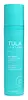
This anti-aging toner is formulated around Ubiquinone and Hyaluronic Acid to soften the look of wrinkles and hydrate skin.
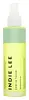
This smoothing toner is formulated around Glycolic Acid and Lactococcus Ferment Lysate to refine skin texture and brighten dull-looking skin.

What's inside
What's inside
 Key Ingredients
Benefits
Concerns
Ingredients Side-by-side


Water
Skin ConditioningGlycolic Acid
Buffering











Butylene Glycol
Humectant

Lactococcus Ferment Lysate
Skin Conditioning
Sodium Hydroxide
BufferingLactic Acid
Buffering
Sodium Hyaluronate
Humectant
Agar
MaskingGlycerin
Humectant
Tremella Fuciformis Sporocarp Extract
Antioxidant
Camellia Sinensis Leaf Extract
Antimicrobial
Vaccinium Angustifolium Fruit Extract
Skin Protecting
Curcuma Longa Root Extract
Antioxidant
Cichorium Intybus Root Extract
MaskingYogurt Extract
Skin ConditioningCarrageenan


Betaine
Humectant
Glucose
Humectant
Linum Usitatissimum Seed Oil
Perfuming

Xanthan Gum
EmulsifyingPotassium Sorbate
Preservative
Disodium EDTA
ChelatingSodium Chloride
MaskingSodium Benzoate
Masking
Polysorbate 20
Emulsifying
Tetrasodium EDTA
ChelatingEthylhexylglycerin
Skin ConditioningPhenoxyethanol
Preservative
Water, Glycolic Acid, Butylene Glycol, Lactococcus Ferment Lysate, Sodium Hydroxide, Lactic Acid, Sodium Hyaluronate, Agar, Glycerin, Tremella Fuciformis Sporocarp Extract, Camellia Sinensis Leaf Extract, Vaccinium Angustifolium Fruit Extract, Curcuma Longa Root Extract, Cichorium Intybus Root Extract, Yogurt Extract, Carrageenan, Betaine, Glucose, Linum Usitatissimum Seed Oil, Xanthan Gum, Potassium Sorbate, Disodium EDTA, Sodium Chloride, Sodium Benzoate, Polysorbate 20, Tetrasodium EDTA, Ethylhexylglycerin, Phenoxyethanol
Reviews
Ingredients Explained
These ingredients are found in both products.
Ingredients higher up in an ingredient list are typically present in a larger amount.
Ethylhexylglycerin is created from glycerin. It is a multitasker ingredient that:
The CIR Expert Panel found minimal skin absorption or sensitization of any kind in a safety assessment. Though this ingredient is considered well-tolerated, a small number of cases of allergic dermatitis have been published since 2002. Just be sure to patch test if you are unsure.
Industry-reported use ranges from 8% in rinse-off products and 2% in leave-on formulations.
Learn more about EthylhexylglycerinPotassium Sorbate is a preservative used to prevent yeast and mold in products. It is commonly found in both cosmetic and food products.
This ingredient comes from potassium salt derived from sorbic acid. Sorbic acid is a natural antibiotic and effective against fungus.
Both potassium sorbate and sorbic acid can be found in baked goods, cheeses, dried meats, dried fruit, ice cream, pickles, wine, yogurt, and more.
You'll often find this ingredient used with other preservatives.
Learn more about Potassium SorbateWater. It's the most common cosmetic ingredient of all. You'll usually see it at the top of ingredient lists, meaning that it makes up the largest part of the product.
So why is it so popular? Water most often acts as a solvent - this means that it helps dissolve other ingredients into the formulation.
You'll also recognize water as that liquid we all need to stay alive. If you see this, drink a glass of water. Remember to stay hydrated!
Learn more about Water

