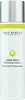
This brightening essence is formulated around Aloe Barbadensis Leaf Juice and Glycyrrhiza Glabra Root Extract to brighten dull-looking skin and refine skin texture.
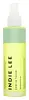
This anti-aging toner is formulated around Ubiquinone and Hyaluronic Acid to soften the look of wrinkles and hydrate skin.

What's inside
What's inside
 Key Ingredients
Benefits
Concerns
Ingredients Side-by-side
Aloe Barbadensis Leaf Juice
Skin Conditioning


Pyrus Malus Juice
Skin ConditioningGlycerin
Humectant

Caprylyl Glucoside
CleansingCamellia Sinensis Extract
Antioxidant

Cucumis Sativus Extract
Skin Conditioning
Glycyrrhiza Glabra Root Extract
Bleaching

Tamarindus Indica Seed Polysaccharide
Skin ConditioningHyaluronic Acid
Humectant

Zanthoxylum Bungeanum Fruit Extract
Skin ConditioningGluconolactone
Skin Conditioning



Coconut Alkanes
Emollient


Oleyl Alcohol
Emollient





Ubiquinone
Antioxidant
Dimethylaminoethanol Tartrate
EmollientThioctic Acid
Antioxidant
Ascorbic Acid
Antioxidant
Tocopherol
Antioxidant
Helianthus Annuus Seed Oil
Emollient
Carya Ovata Bark Extract
Skin ConditioningPolyglyceryl-5 Oleate
Emulsifying
Sodium Cocoyl Glutamate
Cleansing
Coco-Caprylate
Emollient
Sodium Benzoate
Masking
Xanthan Gum
EmulsifyingSodium Hydroxide
BufferingCitrus Aurantium Dulcis Oil
Masking
Litsea Cubeba Fruit Oil
Masking

Cinnamomum Camphora Wood Oil
Masking
Aloe Barbadensis Leaf Juice, Pyrus Malus Juice, Glycerin, Caprylyl Glucoside, Camellia Sinensis Extract, Cucumis Sativus Extract, Glycyrrhiza Glabra Root Extract, Tamarindus Indica Seed Polysaccharide, Hyaluronic Acid, Zanthoxylum Bungeanum Fruit Extract, Gluconolactone, Coconut Alkanes, Oleyl Alcohol, Ubiquinone, Dimethylaminoethanol Tartrate, Thioctic Acid, Ascorbic Acid, Tocopherol, Helianthus Annuus Seed Oil, Carya Ovata Bark Extract, Polyglyceryl-5 Oleate, Sodium Cocoyl Glutamate, Coco-Caprylate, Sodium Benzoate, Xanthan Gum, Sodium Hydroxide, Citrus Aurantium Dulcis Oil, Litsea Cubeba Fruit Oil, Cinnamomum Camphora Wood Oil

Reviews
Alternatives
Ingredients Explained
These ingredients are found in both products.
Ingredients higher up in an ingredient list are typically present in a larger amount.
Cucumis Sativus Extract comes from the cucumber. Cucumbers have anti-aging, anti-inflammatory, and hydrating properties.
Cucumbers are mostly made up of water (95%), and the other 5% is composed of: vitamin C, caffeic acid, fatty acids, amino acids, and other minerals.
Hyaluronic acid (HA) is a glycosaminoglycan (basically a long sugar chain) that your skin already makes on its own. In your skin, HA lives in the extracellular matrix and acts as the body's moisture reservoir.
Topically, HA is a humectant that binds water and helps skin look more plump, smooth, and hydrated.
The only catch is that HA isn't a single thing; it actually comes in a wide range of molecular weights (~50 - 2,000+ kDA) and size matters.
Some clinical evidence links low molecular weight versions to improved wrinkle depth, elasticity, anti-inflammatory effects, and barrier repair.
This is why the best HA serums blend the two sizes together so you get the best of both worlds.
The majority of cosmetic HA is produced by bacterial fermentation, typically using Streptococcus or Bacillus strains. Typical use levels in skincare sit around 0.1-2%.
A clinical study using a 0.2% low-molecular weight HA gel showed improvement in facial seborrheic dermatitis with excellent tolerance.
These are some other common types of Hyaluronic Acid:
Learn more about Hyaluronic AcidUbiquinone (Coenzyme Q10) is a molecule already found in our bodies. It is a potent antioxidant and skin-soothing ingredient.
Aging and environmental exposure diminishes our skin's natural ubiquinone levels. This is much like our natural collagen and elastin.
The good news is: studies show applying this ingredient topically replenishes ubiquinone levels in our skin. This also comes with a ton of skin benefits. These benefits include:
Ubiquinone is considered a large molecule and cannot be absorbed into the lower layers of skin. This is why it is believed to be such an effective antioxidant: it protects our skin in the upper layers and prevents damage in the deeper layers.
When used in sunscreen, ubiquinone is shown to increase ingredient stability, increase SPF factor, and add to infrared protection.
Fun fact: ubiquinone is fat-soluble.
Learn more about Ubiquinone

