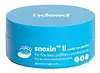
This anti-aging eye mask is formulated around Sodium Hyaluronate and Retinol to soften the look of wrinkles and hydrate skin.
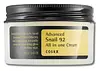
This barrier-repair moisturizer is formulated around Snail Secretion Filtrate and Allantoin to strengthen the skin barrier and hydrate skin.


What's inside
What's inside
 Key Ingredients
Benefits
Concerns
Ingredients Side-by-side
Water
Skin ConditioningGlycerin
Humectant


Butylene Glycol
Humectant
Hydroxyacetophenone
Antioxidant
1,2-Hexanediol
Skin Conditioning
PEG/PPG-17/6 Copolymer
SolventTrehalose
Humectant
Betaine
Humectant
Hydroxyethylcellulose
Emulsion StabilisingSodium Hyaluronate
Humectant

Propanediol
Solvent
Aloe Barbadensis Leaf Extract
Emollient
Andrographis Paniculata Extract
AstringentAnemarrhena Asphodeloides Root Extract
Skin Conditioning
Arctium Lappa Seed Extract
Skin ConditioningCentella Asiatica Extract
Cleansing
Forsythia Suspensa Fruit Extract
Antioxidant
Glycyrrhiza Uralensis Root Prenylflavonoids
Skin ConditioningLonicera Japonica Flower Extract
Skin ConditioningNelumbo Nucifera Seed Oil
Emollient
Propolis Extract
Skin Conditioning

Niacinamide
Smoothing




Retinol
Skin Conditioning


Collagen
Moisturising
Acetyl Hexapeptide-8
Humectant
Euglena Gracilis Polysaccharide
Gel FormingHydrolyzed Collagen
Emollient
Water, Glycerin, Butylene Glycol, Hydroxyacetophenone, 1,2-Hexanediol, PEG/PPG-17/6 Copolymer, Trehalose, Betaine, Hydroxyethylcellulose, Sodium Hyaluronate, Propanediol, Aloe Barbadensis Leaf Extract, Andrographis Paniculata Extract, Anemarrhena Asphodeloides Root Extract, Arctium Lappa Seed Extract, Centella Asiatica Extract, Forsythia Suspensa Fruit Extract, Glycyrrhiza Uralensis Root Prenylflavonoids, Lonicera Japonica Flower Extract, Nelumbo Nucifera Seed Oil, Propolis Extract, Niacinamide, Retinol, Collagen, Acetyl Hexapeptide-8, Euglena Gracilis Polysaccharide, Hydrolyzed Collagen
Snail Secretion Filtrate
Skin Conditioning
Betaine
Humectant
Caprylic/Capric Triglyceride
Masking
Butylene Glycol
Humectant
Cetearyl Olivate

Sorbitan Olivate
Emulsifying
Cetearyl Alcohol
Emollient



Carbomer
Emulsion StabilisingEthyl Hexanediol
SolventPhenoxyethanol
Preservative
Arginine
Masking
Dimethicone
Emollient
Sodium Polyacrylate
Absorbent
Sodium Hyaluronate
Humectant
Allantoin
Skin Conditioning
Palmitic Acid
Emollient
Panthenol
Skin Conditioning
Xanthan Gum
EmulsifyingStearic Acid
Cleansing
Adenosine
Skin Conditioning
Water
Skin ConditioningMyristic Acid
Cleansing
Snail Secretion Filtrate, Betaine, Caprylic/Capric Triglyceride, Butylene Glycol, Cetearyl Olivate, Sorbitan Olivate, Cetearyl Alcohol, Carbomer, Ethyl Hexanediol, Phenoxyethanol, Arginine, Dimethicone, Sodium Polyacrylate, Sodium Hyaluronate, Allantoin, Palmitic Acid, Panthenol, Xanthan Gum, Stearic Acid, Adenosine, Water, Myristic Acid
Reviews
Ingredients Explained
These ingredients are found in both products.
Ingredients higher up in an ingredient list are typically present in a larger amount.
Betaine is a humectant. Like hyaluronic acid, it helps attract and retain moisture in the skin. It’s known for being gentle and for helping the skin maintain balanced hydration.
Betaine is mainly used to improve hydration and support calmer skin. It helps skin cells regulate water balance because it functions as an osmolyte.
Some studies suggest betaine may support making skin tone more even.
Fun fact: Betaine naturally exists in the skin and the body. In cosmetic products, it can be either plant-derived (most commonly from sugar beets) or synthetically produced for consistency and stability.
Betaine is also known as trimethylglycine.
Learn more about BetaineButylene Glycol (or BG) is used within cosmetic products for a few different reasons:
Overall, Butylene Glycol is a safe and well-rounded ingredient that works well with other ingredients.
Though this ingredient works well with most skin types, some people with sensitive skin may experience a reaction such as allergic rashes, closed comedones, or itchiness.
Learn more about Butylene GlycolSodium Hyaluronate is the salt form of hyaluronic acid. It is a long sugar chain that is naturally found in your skin, joints, and connective tissue that maintains hydration and elasticity.
In skincare, it works as a humectant. It pulls water from the environment and deeper layers of skin and binds it to the surface.
Interestingly, the size of the molecule affects its behavior:
Some clinical evidence links low molecular weight versions to improved wrinkle depth, elasticity, anti-inflammatory effects, and barrier repair.
Many serums use a blend of both weights so you can get surface hydration plus longer-lasting and deeper effects.
You'll typically see concentrations between 0.1-2% for this ingredient.
Learn more about Sodium HyaluronateWater. It's the most common cosmetic ingredient of all. You'll usually see it at the top of ingredient lists, meaning that it makes up the largest part of the product.
So why is it so popular? Water most often acts as a solvent - this means that it helps dissolve other ingredients into the formulation.
You'll also recognize water as that liquid we all need to stay alive. If you see this, drink a glass of water. Remember to stay hydrated!
Learn more about Water

