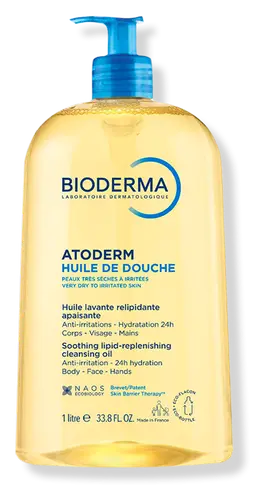
What's inside
What's inside
 Key Ingredients
Benefits
Concerns
Ingredients Side-by-side
Water
Skin ConditioningCocamidopropyl Betaine
Cleansing


Sorbitol
Humectant

Disodium Laureth Sulfosuccinate
CleansingCocamide Methyl Mea
Surfactant
Sodium Chloride
MaskingDisodium Cocoamphodiacetate
CleansingCocamide Mea
Emulsifying
1,2-Hexanediol
Skin Conditioning
Sodium Benzoate
Masking
Citric Acid
Buffering

Disodium EDTA
Butylene Glycol
Humectant
Panax Ginseng Root Water
Masking

Ophiopogon Japonicus Root Extract
Skin ConditioningAngelica Acutiloba Root Extract
Skin ConditioningBupleurum Falcatum Root Extract
Skin ConditioningPerilla Ocymoides Seed Extract
Antioxidant
Natto Gum
Ceramide NP
Skin Conditioning

Ethylhexylglycerin
Skin ConditioningStearic Acid
Cleansing

Hydroxypropyl Bispalmitamide Mea
Emollient
Mannitol
Humectant
Acrylates/Ammonium Methacrylate Copolymer
Silica
Abrasive


Cholesterol
Emollient
Water, Cocamidopropyl Betaine, Sorbitol, Disodium Laureth Sulfosuccinate, Cocamide Methyl Mea, Sodium Chloride, Disodium Cocoamphodiacetate, Cocamide Mea, 1,2-Hexanediol, Sodium Benzoate, Citric Acid, Disodium EDTA, Butylene Glycol, Panax Ginseng Root Water, Ophiopogon Japonicus Root Extract, Angelica Acutiloba Root Extract, Bupleurum Falcatum Root Extract, Perilla Ocymoides Seed Extract, Natto Gum, Ceramide NP, Ethylhexylglycerin, Stearic Acid, Hydroxypropyl Bispalmitamide Mea, Mannitol, Acrylates/Ammonium Methacrylate Copolymer, Silica, Cholesterol
Water
Skin ConditioningPotassium Cocoyl Glycinate
Surfactant
Glycerin
Humectant
Microcrystalline Cellulose
AbsorbentSea Silt
Skin ConditioningPotassium Cocoate
Emulsifying
Lauryl Hydroxysultaine
CleansingAcrylates/Beheneth-25 Methacrylate Copolymer
Sodium Chloride
MaskingPropanediol
Solvent
Salicylic Acid
Masking


1,2-Hexanediol
Skin Conditioning
Caprylyl Glycol
Emollient
Ethylhexylglycerin
Skin ConditioningEucalyptus Globulus Leaf Oil
Perfuming




Mannan
Disodium EDTA
Dipotassium Glycyrrhizate
Humectant
Butylene Glycol
Humectant
Salix Nigra Bark Extract
Skin ProtectingBetula Platyphylla Japonica Juice
Skin Conditioning
Codium Tomentosum Extract
Skin ProtectingEcklonia Cava Extract
Skin ConditioningGelidium Cartilagineum Extract
Skin ProtectingHizikia Fusiforme Extract
Skin ConditioningCitrus Unshiu Peel Extract
Masking
Camellia Japonica Flower Extract
EmollientOenothera Biennis Flower Extract
AstringentRubus Fruticosus Fruit Extract
AstringentSambucus Nigra Fruit Extract
AstringentVaccinium Macrocarpon Fruit Extract
AstringentChamaecyparis Obtusa Leaf Extract
Skin ConditioningAdansonia Digitata Seed Extract
Skin ConditioningBambusa Arundinacea Stem Extract
Skin ConditioningCeramide NP
Skin Conditioning
Water, Potassium Cocoyl Glycinate, Glycerin, Microcrystalline Cellulose, Sea Silt, Potassium Cocoate, Lauryl Hydroxysultaine, Acrylates/Beheneth-25 Methacrylate Copolymer, Sodium Chloride, Propanediol, Salicylic Acid, 1,2-Hexanediol, Caprylyl Glycol, Ethylhexylglycerin, Eucalyptus Globulus Leaf Oil, Mannan, Disodium EDTA, Dipotassium Glycyrrhizate, Butylene Glycol, Salix Nigra Bark Extract, Betula Platyphylla Japonica Juice, Codium Tomentosum Extract, Ecklonia Cava Extract, Gelidium Cartilagineum Extract, Hizikia Fusiforme Extract, Citrus Unshiu Peel Extract, Camellia Japonica Flower Extract, Oenothera Biennis Flower Extract, Rubus Fruticosus Fruit Extract, Sambucus Nigra Fruit Extract, Vaccinium Macrocarpon Fruit Extract, Chamaecyparis Obtusa Leaf Extract, Adansonia Digitata Seed Extract, Bambusa Arundinacea Stem Extract, Ceramide NP
Reviews
Ingredients Explained
These ingredients are found in both products.
Ingredients higher up in an ingredient list are typically present in a larger amount.
1,2-Hexanediol is a synthetic liquid and another multi-functional powerhouse.
It is a:
- Humectant, drawing moisture into the skin
- Emollient, helping to soften skin
- Solvent, dispersing and stabilizing formulas
- Preservative booster, enhancing the antimicrobial activity of other preservatives
Butylene Glycol (or BG) is used within cosmetic products for a few different reasons:
Overall, Butylene Glycol is a safe and well-rounded ingredient that works well with other ingredients.
Though this ingredient works well with most skin types, some people with sensitive skin may experience a reaction such as allergic rashes, closed comedones, or itchiness.
Learn more about Butylene GlycolCeramide NP (formerly known as Ceramide 3) is one of the skin's naturally occurring lipids.
Since ceramides are the major lipid components of the skin, they are crucial for maintaining skin barrier and hydration. Ceramide NP most closely mirrors the dominant kind in human skin amongst ceramide subtypes.
This ceramide works by slotting into gaps within the stratum corneum's lipid matrix to limit trans-epidermal water loss (TEWL) and shield the skin against external irritants.
A study with 312 patients found that using a ceramide-containing routine for 4 weeks reduced the severity of atopic dermatitis by over 61%.
Another clinical study in subjects aged 60 and older found that a ceramide body wash and moisturizer improved skin dryness and itchy skin in 15 days.
Overall, ceramides are considered non-irritating and safety tests have found little to no observable adverse effects from using this ingredient.
Ceramide NP is usually sourced from plants (like soybean or rice bran), or produced synthetically.
Learn more about Ceramide NPDisodium EDTA is a chelating agent. It grabs onto and deactivates metal ions that sneak into your products from water, packaging, or air.
This ingredient mainly works behind the scenes and helps with:
On top of that, this ingredient can counteract the effects of hard water by binding to the minerals in it.
One thing worth knowing is that Disodium EDTA has been shown to be a mild penetration enhancer. It can help other ingredients absorb into skin more effectively which can be a double-edged sword (great for actives, but can also make the active too strong if you have sensitive skin).
Clinical patch testing showed no significant skin irritation at typical use concentrations and minimal dermal absorption.
You'll most likely see this ingredient near the end of an ingredient list. It's typically found in concentrations less than 1%.
Learn more about Disodium EDTAEthylhexylglycerin is created from glycerin. It is a multitasker ingredient that:
The CIR Expert Panel found minimal skin absorption or sensitization of any kind in a safety assessment. Though this ingredient is considered well-tolerated, a small number of cases of allergic dermatitis have been published since 2002. Just be sure to patch test if you are unsure.
Industry-reported use ranges from 8% in rinse-off products and 2% in leave-on formulations.
Learn more about EthylhexylglycerinChances are, you eat sodium chloride every day. Sodium Chloride is also known as table salt. This ingredient has many purposes in skincare: thickener, emulsifier, and exfoliator.
You'll most likely find this ingredient in cleansers where it is used to create a gel-like texture. As an emulsifier, it also prevents ingredients from separating.
You might see people debate whether Sodium Chloride is comedogenic, but there actually haven't been any comedogenic tests done on it. Either way, the overall formulation of a product matters a lot more than any single ingredient.
You might see this ingredient used in scrubs as a primary exfoliating ingredient.
Learn more about Sodium ChlorideWater. It's the most common cosmetic ingredient of all. You'll usually see it at the top of ingredient lists, meaning that it makes up the largest part of the product.
So why is it so popular? Water most often acts as a solvent - this means that it helps dissolve other ingredients into the formulation.
You'll also recognize water as that liquid we all need to stay alive. If you see this, drink a glass of water. Remember to stay hydrated!
Learn more about Water