Huxley Secret Of Sahara Conditioning Essence Toner Versus Missha Time Revolution The First Essence Enriched
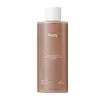
This barrier-repair toner is formulated around Lactobacillus Ferment and Opuntia Ficus-Indica Stem Extract to strengthen the skin barrier.
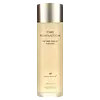
This barrier-repair essence is formulated around Niacinamide and Bifida Ferment Lysate to strengthen the skin barrier and soften the look of wrinkles.

What's inside
What's inside
 Key Ingredients
Benefits
Concerns
Ingredients Side-by-side
Water
Skin ConditioningLactobacillus Ferment
Skin Conditioning

Butylene Glycol
Humectant
Isopentyldiol
Humectant
1,2-Hexanediol
Skin Conditioning
Dipropylene Glycol
HumectantOpuntia Ficus-Indica Stem Extract
Skin Conditioning
Polyglyceryl-10 Laurate
Skin Conditioning

Betaine
Humectant
Opuntia Ficus-Indica Flower Extract
Skin ConditioningArginine
Masking
Carbomer
Emulsion StabilisingEthylhexylglycerin
Skin ConditioningAdenosine
Skin Conditioning
Hydrolyzed Sclerotium Gum
HumectantHydrolyzed Jojoba Esters
Skin Conditioning
Theobroma Cacao Seed Extract
Antioxidant
Sodium Phytate
Parfum
Masking



Allantoin
Skin Conditioning
Sodium Citrate
BufferingCitric Acid
Buffering

Caffeine
Skin Conditioning
Panthenol
Skin Conditioning
Bacillus Ferment
Skin Conditioning
Glycerin
Humectant
Tocopherol
Antioxidant

Opuntia Ficus-Indica Seed Oil
Emollient
Ceramide NP
Skin Conditioning
Phytosphingosine
Skin Conditioning
Hydrogenated Lecithin
Emulsifying
Benzyl Salicylate
Perfuming
Hexyl Cinnamal
Perfuming
Water, Lactobacillus Ferment, Butylene Glycol, Isopentyldiol, 1,2-Hexanediol, Dipropylene Glycol, Opuntia Ficus-Indica Stem Extract, Polyglyceryl-10 Laurate, Betaine, Opuntia Ficus-Indica Flower Extract, Arginine, Carbomer, Ethylhexylglycerin, Adenosine, Hydrolyzed Sclerotium Gum, Hydrolyzed Jojoba Esters, Theobroma Cacao Seed Extract, Sodium Phytate, Parfum, Allantoin, Sodium Citrate, Citric Acid, Caffeine, Panthenol, Bacillus Ferment, Glycerin, Tocopherol, Opuntia Ficus-Indica Seed Oil, Ceramide NP, Phytosphingosine, Hydrogenated Lecithin, Benzyl Salicylate, Hexyl Cinnamal
Water
Skin ConditioningGlycerin
Humectant
Propanediol
Solvent
1,2-Hexanediol
Skin Conditioning
Niacinamide
Smoothing




Yeast Ferment Extract
Skin ConditioningAmmonium Acryloyldimethyltaurate/Vp Copolymer
Diethoxyethyl Succinate
SolventBifida Ferment Lysate
Skin Conditioning
Xanthan Gum
EmulsifyingButylene Glycol
Humectant
Ethylhexylglycerin
Skin ConditioningAdenosine
Skin Conditioning
Dextrin
AbsorbentTheobroma Cacao Seed Extract
Antioxidant
Aureobasidium Pullulans Ferment
Skin ConditioningBeta-Glucan
Skin Conditioning
Oryza Sativa Extract
Absorbent
Sea Salt
Abrasive
Aspergillus Ferment
Skin ConditioningCeramide NP
Skin Conditioning
Hydrogenated Lecithin
Emulsifying
Water, Glycerin, Propanediol, 1,2-Hexanediol, Niacinamide, Yeast Ferment Extract, Ammonium Acryloyldimethyltaurate/Vp Copolymer, Diethoxyethyl Succinate, Bifida Ferment Lysate, Xanthan Gum, Butylene Glycol, Ethylhexylglycerin, Adenosine, Dextrin, Theobroma Cacao Seed Extract, Aureobasidium Pullulans Ferment, Beta-Glucan, Oryza Sativa Extract, Sea Salt, Aspergillus Ferment, Ceramide NP, Hydrogenated Lecithin
Reviews
Ingredients Explained
These ingredients are found in both products.
Ingredients higher up in an ingredient list are typically present in a larger amount.
1,2-Hexanediol is a synthetic liquid and another multi-functional powerhouse.
It is a:
- Humectant, drawing moisture into the skin
- Emollient, helping to soften skin
- Solvent, dispersing and stabilizing formulas
- Preservative booster, enhancing the antimicrobial activity of other preservatives
Adenosine is a purine nucleoside that your body already makes in every cell. In skincare, it acts mainly as a skin conditioning and anti-aging agent.
The way it works is fairly well mapped out:
Your skin has cells called fibroblasts that build collagen (the stuff that keeps skin firm and smooth). Adenosine basically flips a switch on these cells that tells them to get to work making more collagen and other proteins. These cells slow down on their own as skin ages, so Adenosine helps give them a little nudge to keep going.
The clinical backing is pretty solid too.
A blind, randomized, placebo-controlled trial of 126 women aged 45-65 tested a 0.1% cream twice daily and found real improvements in crow's feet and frown lines using a precise 3D skin-mapping technique; these changes showed up by week 3 and held at 2 months.
A later study using Adenosine-loaded dissolving microneedle patches reported gains in wrinkle depth, dermal density, elasticity, and hydration.
On concentrations, South Korea's Ministry of Food and Drug Safety has set 0.04% as the approved functional anti-wrinkle level. You'll typically see this ingredient used somewhere in the 0.04-0.1% range since it works at low doses.
This ingredient has been found safe for cosmetics with the data showing no irritation or sensitization.
Overall, this is a great ingredient for any anti-aging routine and has no photosensitizing effect, so it suits both AM and PM use.
Learn more about AdenosineButylene Glycol (or BG) is used within cosmetic products for a few different reasons:
Overall, Butylene Glycol is a safe and well-rounded ingredient that works well with other ingredients.
Though this ingredient works well with most skin types, some people with sensitive skin may experience a reaction such as allergic rashes, closed comedones, or itchiness.
Learn more about Butylene GlycolCeramide NP (formerly known as Ceramide 3) is one of the skin's naturally occurring lipids.
Since ceramides are the major lipid components of the skin, they are crucial for maintaining skin barrier and hydration. Ceramide NP most closely mirrors the dominant kind in human skin amongst ceramide subtypes.
This ceramide works by slotting into gaps within the stratum corneum's lipid matrix to limit trans-epidermal water loss (TEWL) and shield the skin against external irritants.
A study with 312 patients found that using a ceramide-containing routine for 4 weeks reduced the severity of atopic dermatitis by over 61%.
Another clinical study in subjects aged 60 and older found that a ceramide body wash and moisturizer improved skin dryness and itchy skin in 15 days.
Overall, ceramides are considered non-irritating and safety tests have found little to no observable adverse effects from using this ingredient.
Ceramide NP is usually sourced from plants (like soybean or rice bran), or produced synthetically.
Learn more about Ceramide NPEthylhexylglycerin is created from glycerin. It is a multitasker ingredient that:
The CIR Expert Panel found minimal skin absorption or sensitization of any kind in a safety assessment. Though this ingredient is considered well-tolerated, a small number of cases of allergic dermatitis have been published since 2002. Just be sure to patch test if you are unsure.
Industry-reported use ranges from 8% in rinse-off products and 2% in leave-on formulations.
Learn more about EthylhexylglycerinGlycerin (or glycerol) is a compound naturally found in your skin. It's a powerhouse humectant that pulls water into the stratum corneum.
Topically, glycerin does several things at once:
Your skin makes glycerin on its own (mostly from sebaceous oil breakdown) and shuttles it to your outermost layer of skin, or your epidermis, via aquaporin-3.
Aquaporin-3 is a transporter that is essential for normal skin hydration, elasticity, and repair. Interestingly, mice lacking in AQP3 have dry and less elastic skin that can be fully corrected with glycerin.
This ingredient is non-irritating, plays well with almost every ingredient, and works across all skin types. Typical use is anywhere between 3-10% but can go up to 79% in some leave-on products.
Just know very high concentrations (>40%) can feel tacky in low humidity.
Glycerin is the name for this ingredient in American English. British English uses Glycerol/Glycerine.
Learn more about GlycerinHydrogenated Lecithin is a more stable version of lecithin.
It's made by taking lecithin (a phospholipid commonly found in soybeans and egg yolks) and hydrogenating it. This just means the unsaturated fatty acids are turned into saturated ones so they don't go bad as easily.
This ingredient is an emollient, emulsifier, and penetration enhancer. As an emollient, it helps soften and hydrate skin by trapping moisture within. As an emulsifier, it prevents oil and water ingredients from separating.
Hydrogenated Lecithin can form tiny spherical structures made of phospholipid bilayers called liposomes. These liposomes are able to capture compounds inside their structure and deliver them through the skin barrier.
Because phospholipids are a natural component of our cell membranes, this ingredient is inherently compatible with skin.
A 2021 study found lecithin-based surfactants were less harsh and more tolerable comared to Sodium Lauryl Sulfate (SLS).
Learn more about Hydrogenated LecithinTheobroma Cacao Seed Extract comes from the Theobroma cacoa, or Cacao tree. Cacao trees are native to tropical landscapes.
Cacao seed extract contains antioxidants known as polyphenols.
Water. It's the most common cosmetic ingredient of all. You'll usually see it at the top of ingredient lists, meaning that it makes up the largest part of the product.
So why is it so popular? Water most often acts as a solvent - this means that it helps dissolve other ingredients into the formulation.
You'll also recognize water as that liquid we all need to stay alive. If you see this, drink a glass of water. Remember to stay hydrated!
Learn more about Water

