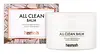
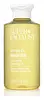
This oil-based makeup remover is made to dissolve makeup, sunscreen, and daily buildup.
This oil-based cleanser is mild enough to cleanse without leaving skin feeling tight or stripped.


What's inside
What's inside
 Key Ingredients
Benefits
Concerns
Ingredients Side-by-side
Ethylhexyl Palmitate
Emollient




Cetyl Ethylhexanoate
EmollientPEG-20 Glyceryl Triisostearate
Emollient
Polyethylene
Abrasive
PEG-8 Isostearate
Emulsifying
1,2-Hexanediol
Skin Conditioning
Butyrospermum Parkii Butter
Skin Conditioning
Tocopheryl Acetate
Antioxidant


Citrus Aurantium Dulcis Peel Oil
Masking

Lavandula Angustifolia Oil
Masking


Pelargonium Graveolens Flower Oil
Masking
Amyris Balsamifera Bark Oil
Masking
Eucalyptus Globulus Leaf Oil
Perfuming
Melaleuca Alternifolia Leaf Oil
Antioxidant

Citrus Paradisi Peel Oil
Masking
Citrus Aurantium Bergamia Fruit Oil
Masking
Boswellia Carterii Oil
Masking
Juniperus Mexicana Oil
Masking
Water
Skin ConditioningCocos Nucifera Fruit Extract
Emollient
Butylene Glycol
Humectant
Citrus Aurantifolia Fruit Extract
Skin ConditioningCitric Acid
Buffering
Phenoxyethanol
Preservative
Nelumbium Speciosum Flower Extract
Skin ConditioningFreesia Refracta Extract
Skin ConditioningRose Extract
Skin ConditioningLeontopodium Alpinum Extract
Skin ConditioningJasminum Officinale Extract
Masking
Narcissus Pseudo-Narcissus Flower Extract
Skin ConditioningLilium Tigrinum Extract
Skin ConditioningIris Versicolor Extract
EmollientEthylhexylglycerin
Skin ConditioningLimonene
Perfuming
Citral
Perfuming
Linalool
Perfuming
Ethylhexyl Palmitate, Cetyl Ethylhexanoate, PEG-20 Glyceryl Triisostearate, Polyethylene, PEG-8 Isostearate, 1,2-Hexanediol, Butyrospermum Parkii Butter, Tocopheryl Acetate, Citrus Aurantium Dulcis Peel Oil, Lavandula Angustifolia Oil, Pelargonium Graveolens Flower Oil, Amyris Balsamifera Bark Oil, Eucalyptus Globulus Leaf Oil, Melaleuca Alternifolia Leaf Oil, Citrus Paradisi Peel Oil, Citrus Aurantium Bergamia Fruit Oil, Boswellia Carterii Oil, Juniperus Mexicana Oil, Water, Cocos Nucifera Fruit Extract, Butylene Glycol, Citrus Aurantifolia Fruit Extract, Citric Acid, Phenoxyethanol, Nelumbium Speciosum Flower Extract, Freesia Refracta Extract, Rose Extract, Leontopodium Alpinum Extract, Jasminum Officinale Extract, Narcissus Pseudo-Narcissus Flower Extract, Lilium Tigrinum Extract, Iris Versicolor Extract, Ethylhexylglycerin, Limonene, Citral, Linalool
Helianthus Annuus Seed Oil
Emollient
Olea Europaea Fruit Oil
Masking
Vitis Vinifera Seed Oil
Emollient
Laureth-4
Emulsifying
PEG-7 Glyceryl Cocoate
Emulsifying
Rubus Idaeus Seed Oil
Emollient
Parfum
Masking
Citrus Aurantium Dulcis Peel Oil
Masking
Passiflora Edulis Seed Oil
Emollient
Rosa Eglantaria Seed Oil
Skin Conditioning
Ascorbyl Tetraisopalmitate
Antioxidant

Cucumis Sativus Seed Oil
Emollient
Tocopheryl Acetate
Antioxidant
Citral
Perfuming
Butylphenyl Methylpropional
Perfuming
Limonene
Perfuming
Helianthus Annuus Seed Oil, Olea Europaea Fruit Oil, Vitis Vinifera Seed Oil, Laureth-4, PEG-7 Glyceryl Cocoate, Rubus Idaeus Seed Oil, Parfum, Citrus Aurantium Dulcis Peel Oil, Passiflora Edulis Seed Oil, Rosa Eglantaria Seed Oil, Ascorbyl Tetraisopalmitate, Cucumis Sativus Seed Oil, Tocopheryl Acetate, Citral, Butylphenyl Methylpropional, Limonene
Reviews
Ingredients Explained
These ingredients are found in both products.
Ingredients higher up in an ingredient list are typically present in a larger amount.
Citral is the molecule responsible for the fresh lemon scent in lemon, lime, and lemongrass. It is a fragrance ingredient that can be created from plant essential oils or synthetically.
Though Citral has documented antimicrobial activity against acne bacteria (which is where the marketing claims about it being good for acne-prone skin originate), real formulas use it at fragrance-level concentrations under 1% so there's likely no skin benefit.
You should know this ingredient is a known EU fragrance allergen.
Animal studies classifies this ingredient as a weak-to-moderate skin sensitizer and clinical patch testing on eczema patients confirmed it to be both a contact allergen and irritant.
The term 'citral' is a collective term for two geometric isomers: geranial/Citral A and neral/Citral B.
The term 'fragrance' is not regulated in many countries. In many cases, it is up to the brand to define this term. For instance, many brands choose to label themselves as "fragrance-free" because they are not using synthetic fragrances. However, their products may still contain ingredients such as essential oils that are considered a fragrance.
Learn more about CitralCitrus Aurantium Dulcis Peel Oil is oil from the peel of an orange fruit.
Limonene and linalool make up the majority of oils from citrus peels. Limonene has a "citrus" fragrance. Citrus peels also contain flavonoids, which have anti-inflammatory properties.
Citrus peel is also a rich source of flavonoids. Flavonoids are natural antioxidants and help protect your skin against damage. Flavonoids are a group of compounds naturally found in vegetables and fruits.
The term 'fragrance' is not regulated in many countries. In many cases, it is up to the brand to define this term. For instance, many brands choose to label themselves as "fragrance-free" because they are not using synthetic fragrances. However, their products may still contain ingredients such as essential oils that are considered a fragrance.
Learn more about Citrus Aurantium Dulcis Peel OilLimonene is a fragrance that adds scent and taste to a formulation.
It's found in the peel oil of citrus fruits and other plants such as lavender and eucalyptus. The scent of limonene is generally described as "sweet citrus".
Limonene acts as an antioxidant, meaning it helps neutralize free radicals.
When exposed to air, oxidized limonene may sensitize the skin. Because of this, limonene is often avoided by people with sensitive skin.
The term 'fragrance' is not regulated in many countries. In many cases, it is up to the brand to define this term. For instance, many brands choose to label themselves as "fragrance-free" because they are not using synthetic fragrances. However, their products may still contain ingredients such as essential oils that are considered a fragrance.
Learn more about LimoneneTocopheryl Acetate is a stable, shelf-friendly form of vitamin E.
Formulators love it because plain vitamin E oxidizes quickly once it hits air. This acetate version stays stable and resists going off, helping to extend a product's shelf life.
It's actually inactive on its own and works like a slow-release "storage" form; the enzymes in your skin called esterases gradually convert it into active vitamin E over time.
One in vivo study showed 5% of the acetate in the living layer of the epidermis converted to vitamin E after 5 days of application. This study also found the skin gained protection against UV damage even though the conversion was slow and small.
Once converted, vitamin E acts as a skin's main fat-soluble antioxidant that fights free radicals to protect skin from damage.
Topical vitamin E generally boosts the skin's photoprotection, and it reduced UV-damage in animal models.
This ingredient has some brightening potential but it's more of a prevention ingredient than spot-fader. Cell studies show it can slow down melanin production but it's worth noting that it's not the most powerful brightener out there.
Overall, it has a pretty solid safety profile and has been found to be non-irritating and non-comedogenic. Allergic reactions may happen but stay rare due to how widely the ingredient gets used.
The concentration will vary depending on the formula; industry data shows 0.1% in baby lotions, 3% in lipsticks, and 5% in foot powders. You can also find this ingredient at 100% in a pure vitamin E oil.
Most leave-on skincare keeps it at the lower end, often between 0.5-1%.
Learn more about Tocopheryl Acetate


