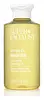
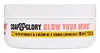
Super Facialist Vitamin C + Brighten Skin Renew Cleansing Oil 200ml Versus Soap & Glory Glow Your Mind Nourishing Cleansing Balm
This oil-based cleanser is mild enough to cleanse without leaving skin feeling tight or stripped.
This oil-based makeup remover is made to dissolve makeup, sunscreen, and daily buildup.

What's inside
What's inside
 Key Ingredients
Benefits
Concerns
Ingredients Side-by-side
Helianthus Annuus Seed Oil
Emollient



Olea Europaea Fruit Oil
Masking


Vitis Vinifera Seed Oil
Emollient
Laureth-4
Emulsifying
PEG-7 Glyceryl Cocoate
Emulsifying

Rubus Idaeus Seed Oil
Emollient
Parfum
Masking

Citrus Aurantium Dulcis Peel Oil
Masking
Passiflora Edulis Seed Oil
Emollient
Rosa Eglantaria Seed Oil
Skin Conditioning
Ascorbyl Tetraisopalmitate
Antioxidant


Cucumis Sativus Seed Oil
Emollient
Tocopheryl Acetate
Antioxidant

Citral
Perfuming
Butylphenyl Methylpropional
Perfuming
Limonene
Perfuming
Helianthus Annuus Seed Oil, Olea Europaea Fruit Oil, Vitis Vinifera Seed Oil, Laureth-4, PEG-7 Glyceryl Cocoate, Rubus Idaeus Seed Oil, Parfum, Citrus Aurantium Dulcis Peel Oil, Passiflora Edulis Seed Oil, Rosa Eglantaria Seed Oil, Ascorbyl Tetraisopalmitate, Cucumis Sativus Seed Oil, Tocopheryl Acetate, Citral, Butylphenyl Methylpropional, Limonene
Ethylhexyl Palmitate
Emollient
Isopropyl Palmitate
Emollient
PEG-20 Glyceryl Triisostearate
Emollient
Polyethylene
Abrasive
Caprylyl Glycol
Emollient
Tocopheryl Acetate
Antioxidant
Persea Gratissima Oil
Skin Conditioning
Prunus Armeniaca Kernel Oil
Masking
Sclerocarya Birrea Seed Oil
Humectant
Sesamum Indicum Seed Oil
Emollient
Simmondsia Chinensis Seed Oil
Emollient

Tetrahexyldecyl Ascorbate
Antioxidant

Citrus Limon Peel Oil
Masking
Limonene
Perfuming
Ethylhexyl Palmitate, Isopropyl Palmitate, PEG-20 Glyceryl Triisostearate, Polyethylene, Caprylyl Glycol, Tocopheryl Acetate, Persea Gratissima Oil, Prunus Armeniaca Kernel Oil, Sclerocarya Birrea Seed Oil, Sesamum Indicum Seed Oil, Simmondsia Chinensis Seed Oil, Tetrahexyldecyl Ascorbate, Citrus Limon Peel Oil, Limonene
Reviews
Ingredients Explained
These ingredients are found in both products.
Ingredients higher up in an ingredient list are typically present in a larger amount.
Limonene is the compound that gives citrus peel its smell.
In skincare, it shows up as a standalone fragrance ingredient or as a natural compound of citrus and other essential oils.
You'll typically see this ingredient used in very small amounts; anything above 0.001% in a leave-on product or 0.01% in a rinse-off has to be named on the label in the EU. The citrus oils that carry it sit around 0.5-1% in a finished formula.
Fresh limonene is a weak allergen; the real issue is that it slowly reacts with air and then breaks down from oxidation to create hydroperoxides (which are strong sensitizers). This is why suppliers are required to keep the peroxide value below 20 mmol.
Positive reactions in people being investigated for eczema vary:
It's worth skipping if you have a known fragrance allergy or a compromised barrier, but the risk is low for most people.
Older or long-opened products are also more likely to bother you than fresh ones due to oxidation.
Learn more about LimoneneTocopheryl Acetate is a stable, shelf-friendly form of vitamin E.
Formulators love it because plain vitamin E oxidizes quickly once it hits air. This acetate version stays stable and resists going off, helping to extend a product's shelf life.
It's actually inactive on its own and works like a slow-release "storage" form; the enzymes in your skin called esterases gradually convert it into active vitamin E over time.
One in vivo study showed 5% of the acetate in the living layer of the epidermis converted to vitamin E after 5 days of application. This study also found the skin gained protection against UV damage even though the conversion was slow and small.
Once converted, vitamin E acts as a skin's main fat-soluble antioxidant that fights free radicals to protect skin from damage.
Topical vitamin E generally boosts the skin's photoprotection, and it reduced UV-damage in animal models.
This ingredient has some brightening potential but it's more of a prevention ingredient than spot-fader. Cell studies show it can slow down melanin production but it's worth noting that it's not the most powerful brightener out there.
Overall, it has a pretty solid safety profile and has been found to be non-irritating and non-comedogenic. Allergic reactions may happen but stay rare due to how widely the ingredient gets used.
The concentration will vary depending on the formula; industry data shows 0.1% in baby lotions, 3% in lipsticks, and 5% in foot powders. You can also find this ingredient at 100% in a pure vitamin E oil.
Most leave-on skincare keeps it at the lower end, often between 0.5-1%.
Learn more about Tocopheryl Acetate

