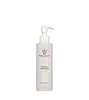
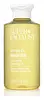
Roccoco Soothing Cleaning Oil Versus Super Facialist Vitamin C + Brighten Skin Renew Cleansing Oil 200ml
This oil-based cleanser is made to cleanse without leaving your skin tight or dry.
This oil-based cleanser is mild enough to cleanse without leaving skin feeling tight or stripped.


What's inside
What's inside
 Key Ingredients
No key ingredients
Benefits
Concerns
Ingredients Side-by-side
Helianthus Annuus Seed Oil
Emollient



Olea Europaea Fruit Oil
Masking


Vitis Vinifera Seed Oil
Emollient
Laureth-4
Emulsifying
PEG-7 Glyceryl Cocoate
Emulsifying

Rubus Idaeus Seed Oil
Emollient
Parfum
Masking

Citrus Aurantium Dulcis Peel Oil
Masking
Passiflora Edulis Seed Oil
Emollient
Rosa Eglantaria Seed Oil
Skin Conditioning
Ascorbyl Tetraisopalmitate
Antioxidant


Cucumis Sativus Seed Oil
Emollient
Tocopheryl Acetate
Antioxidant

Citral
Perfuming
Butylphenyl Methylpropional
Perfuming
Limonene
Perfuming
Helianthus Annuus Seed Oil, Olea Europaea Fruit Oil, Vitis Vinifera Seed Oil, Laureth-4, PEG-7 Glyceryl Cocoate, Rubus Idaeus Seed Oil, Parfum, Citrus Aurantium Dulcis Peel Oil, Passiflora Edulis Seed Oil, Rosa Eglantaria Seed Oil, Ascorbyl Tetraisopalmitate, Cucumis Sativus Seed Oil, Tocopheryl Acetate, Citral, Butylphenyl Methylpropional, Limonene
Reviews
Ingredients Explained
These ingredients are found in both products.
Ingredients higher up in an ingredient list are typically present in a larger amount.
Helianthus Annuus Seed Oil is a plant oil derived from the seeds of a sunflower.
It is rich in fatty acids, primarily linoleic acid and oleic acid. This gives it emollient and skin conditioning properties.
The reason this ingredient is so effective is because it forms a thin film on the skin that reduces transepidermal water loss (TEWL) while supplying linoleic acid to the stratum corneum to improve barrier strength.
The high linoleic acid content is particularly noteworthy for acne-prone skin.
Research suggests that acne-prone skin tends to be deficient in linoleic acid in sebum. Topical application may help replenish this to support a healthier follicular environment and less comedone-promoting sebum.
One randomized study found sunflower seed oil preserved skin barrier integrity in adult volunteers with and without atopic dermatitis (outperforming olive oil).
This ingredient is well-studied, gentle, and an effective emollient suitable for most skin types.
On fungal acne: This ingredient may not be Fungal acne (Malassezia folliculitis) safe. This is because it contains fatty acids with carbon chain lengths in the C11-C24 range.
Learn more about Helianthus Annuus Seed OilPassiflora Edulis Seed Oil is a lightweight plant oil from the seeds of passion fruit.
This oil supports skin hydration because it is packed with linoleic acid (56-73%), oleic acid (14-20%), palmitic acid, and stearic acids. It also contains vitamin E and other antioxidants, like carotenoids.
In vitro research has shown that passion fruit seed extracts can inhibit the enzymes that break down collagen and elastin in the skin.
While this ingredient is considered well-tolerated, some cases of contact dermatitis have been reported with the Passiflora plant's vines and leaves itself. As with any ingredient, a patch test is a great idea if you are unsure.
This may not be suitable for fungal acne-prone skin due to the fatty acid content.
Learn more about Passiflora Edulis Seed OilRubus Idaeus Seed Oil is created from the seeds of the raspberry fruit. Raspberries are native to northern Europe and Asia.
Raspberry seed oil is an emollient with antioxidant and anti-inflammatory properties. It is rich in fatty acids, tocopherols, flavonoids, Vitamin C, and Vitamin E.
As an emollient, raspberry seed oil helps hydrate your skin. Emollients prevent moisture from evaporating by creating a film on top.
Learn more about Rubus Idaeus Seed Oil

