

What's inside
What's inside
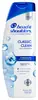 Key Ingredients
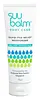
Benefits
Concerns
Ingredients Side-by-side
Zinc Pyrithione 1%
Antiseborrhoeic
Water
Skin ConditioningSodium Lauryl Sulfate
Cleansing




Sodium Laureth Sulfate
Cleansing
Cocamidopropyl Betaine
Cleansing
Sodium Xylenesulfonate
Zinc Carbonate
Parfum
Masking

Sodium Chloride
MaskingDimethicone
Emollient

Guar Hydroxypropyltrimonium Chloride
Skin ConditioningPiroctone Olamine
Preservative
Glycerin
Humectant

Trihydroxystearin
Skin Conditioning
Butylene Glycol
Humectant
Magnesium Carbonate Hydroxide
BufferingPolyquaternium-76
Pentylene Glycol
Skin Conditioning
Secale Cereale Callus Extract
Skin ConditioningNiacinamide
Smoothing









CI 42090
Cosmetic ColorantCI 17200
Cosmetic ColorantZinc Pyrithione 1%, Water, Sodium Lauryl Sulfate, Sodium Laureth Sulfate, Cocamidopropyl Betaine, Sodium Xylenesulfonate, Zinc Carbonate, Parfum, Sodium Chloride, Dimethicone, Guar Hydroxypropyltrimonium Chloride, Piroctone Olamine, Glycerin, Trihydroxystearin, Butylene Glycol, Magnesium Carbonate Hydroxide, Polyquaternium-76, Pentylene Glycol, Secale Cereale Callus Extract, Niacinamide, CI 42090, CI 17200
Water
Skin ConditioningGlycerin
Humectant
Menthol
Masking
Cetyl Alcohol
Emollient
Cetearyl Alcohol
Emollient

Palmitic Acid
Emollient
Propanediol
Solvent
Cyclopentasiloxane
Emollient
Stearic Acid
Cleansing
C12-15 Alkyl Benzoate
AntimicrobialCeramide NP
Skin Conditioning
Ceramide AP
Skin Conditioning
Ceramide As
Skin Conditioning
Ceramide Ns
Skin Conditioning
Ceramide EOP
Skin Conditioning
Cholesterol
Emollient
PCA
Humectant
Saccharide Isomerate
Humectant
Arginine
Masking
Phytosteryl/Octyldodecyl Lauroyl Glutamate
Skin ConditioningCaprylyl Glycol
Emollient
Cyclohexasiloxane
Emollient
Cetearyl Glucoside
Emulsifying
Carbomer
Emulsion Stabilising1,2-Hexanediol
Skin Conditioning
Dipropylene Glycol
HumectantCitric Acid
Buffering
Sodium Citrate
BufferingTropolone
Skin ConditioningHydrogenated Lecithin
Emulsifying
Glyceryl Stearate
Emollient
Water, Glycerin, Menthol, Cetyl Alcohol, Cetearyl Alcohol, Palmitic Acid, Propanediol, Cyclopentasiloxane, Stearic Acid, C12-15 Alkyl Benzoate, Ceramide NP, Ceramide AP, Ceramide As, Ceramide Ns, Ceramide EOP, Cholesterol, PCA, Saccharide Isomerate, Arginine, Phytosteryl/Octyldodecyl Lauroyl Glutamate, Caprylyl Glycol, Cyclohexasiloxane, Cetearyl Glucoside, Carbomer, 1,2-Hexanediol, Dipropylene Glycol, Citric Acid, Sodium Citrate, Tropolone, Hydrogenated Lecithin, Glyceryl Stearate
Reviews
Ingredients Explained
These ingredients are found in both products.
Ingredients higher up in an ingredient list are typically present in a larger amount.
Glycerin (or glycerol) is a compound naturally found in your skin. It's a powerhouse humectant that pulls water into the stratum corneum.
Topically, glycerin does several things at once:
Your skin makes glycerin on its own (mostly from sebaceous oil breakdown) and shuttles it to your outermost layer of skin, or your epidermis, via aquaporin-3.
Aquaporin-3 is a transporter that is essential for normal skin hydration, elasticity, and repair. Interestingly, mice lacking in AQP3 have dry and less elastic skin that can be fully corrected with glycerin.
This ingredient is non-irritating, plays well with almost every ingredient, and works across all skin types. Typical use is anywhere between 3-10% but can go up to 79% in some leave-on products.
Just know very high concentrations (>40%) can feel tacky in low humidity.
Glycerin is the name for this ingredient in American English. British English uses Glycerol/Glycerine.
Learn more about GlycerinWater. It's the most common cosmetic ingredient of all. You'll usually see it at the top of ingredient lists, meaning that it makes up the largest part of the product.
So why is it so popular? Water most often acts as a solvent - this means that it helps dissolve other ingredients into the formulation.
You'll also recognize water as that liquid we all need to stay alive. If you see this, drink a glass of water. Remember to stay hydrated!
Learn more about Water

