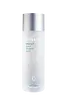
This hydrating toner is formulated around Panthenol and Ectoin to hydrate skin and strengthen the skin barrier.
This hydrating toner is formulated around Limnanthes Alba Seed Oil and Ceramide AP to hydrate skin and strengthen the skin barrier.

What's inside
What's inside
 Key Ingredients
Benefits
Concerns
Ingredients Side-by-side
Water
Skin ConditioningDipropylene Glycol
Humectant1,2-Hexanediol
Skin Conditioning
Butylene Glycol
Humectant
Betaine
Humectant
Methyl Gluceth-20
Humectant
Panthenol
Skin Conditioning

C12-13 Pareth-9
EmulsifyingCarbomer
Emulsion StabilisingTromethamine
BufferingSodium Phytate
ChelatingParfum
Masking




Ethylhexylglycerin
Skin ConditioningNelumbo Nucifera Germ Extract
Skin ConditioningSodium Hyaluronate
Humectant

Ectoin
Skin Conditioning
Synthetic Fluorphlogopite
Agar
MaskingAmmonium Acryloyldimethyltaurate/Vp Copolymer
Brassica Campestris Sprout Extract
HumectantBrassica Oleracea Italica Sprout Extract
EmollientSophora Japonica Bud Extract
Skin ProtectingTriticum Vulgare Sprout Extract
Skin ConditioningTin Oxide
Abrasive
Limonene
Perfuming
Hexyl Cinnamal
Perfuming
Linalool
Perfuming
Geraniol
Perfuming
CI 77891
Cosmetic ColorantWater, Dipropylene Glycol, 1,2-Hexanediol, Butylene Glycol, Betaine, Methyl Gluceth-20, Panthenol, C12-13 Pareth-9, Carbomer, Tromethamine, Sodium Phytate, Parfum, Ethylhexylglycerin, Nelumbo Nucifera Germ Extract, Sodium Hyaluronate, Ectoin, Synthetic Fluorphlogopite, Agar, Ammonium Acryloyldimethyltaurate/Vp Copolymer, Brassica Campestris Sprout Extract, Brassica Oleracea Italica Sprout Extract, Sophora Japonica Bud Extract, Triticum Vulgare Sprout Extract, Tin Oxide, Limonene, Hexyl Cinnamal, Linalool, Geraniol, CI 77891
Water
Skin ConditioningButylene Glycol
Humectant
Glycerin
Humectant
Limnanthes Alba Seed Oil
Skin Conditioning

Ceramide AP
Skin Conditioning
1,2-Hexanediol
Skin Conditioning
Squalane
Emollient
Polyglyceryl-10 Stearate
Skin Conditioning
Glyceryl Stearate Citrate
Emollient
Sodium Stearoyl Glutamate
CleansingInulin Lauryl Carbamate
Emulsion StabilisingGlyceryl Caprylate
EmollientEthylhexylglycerin
Skin ConditioningPropanediol
Solvent
Disodium EDTA
ChelatingCarbomer
Emulsion StabilisingMannitol
Humectant
Acrylates/Stearyl Methacrylate Copolymer
Emulsion StabilisingTremella Fuciformis Sporocarp Extract
Antioxidant
Hyaluronic Acid
Humectant
Camellia Sinensis Leaf Extract
Antimicrobial


Xanthan Gum
EmulsifyingCeramide NP
Skin Conditioning
Camellia Japonica Flower Extract
EmollientTocopherol
Antioxidant

Acetyl Tetrapeptide-11
Skin Conditioning
Water, Butylene Glycol, Glycerin, Limnanthes Alba Seed Oil, Ceramide AP, 1,2-Hexanediol, Squalane, Polyglyceryl-10 Stearate, Glyceryl Stearate Citrate, Sodium Stearoyl Glutamate, Inulin Lauryl Carbamate, Glyceryl Caprylate, Ethylhexylglycerin, Propanediol, Disodium EDTA, Carbomer, Mannitol, Acrylates/Stearyl Methacrylate Copolymer, Tremella Fuciformis Sporocarp Extract, Hyaluronic Acid, Camellia Sinensis Leaf Extract, Xanthan Gum, Ceramide NP, Camellia Japonica Flower Extract, Tocopherol, Acetyl Tetrapeptide-11
Reviews
Ingredients Explained
These ingredients are found in both products.
Ingredients higher up in an ingredient list are typically present in a larger amount.
1,2-Hexanediol is a synthetic liquid and another multi-functional powerhouse.
It is a:
- Humectant, drawing moisture into the skin
- Emollient, helping to soften skin
- Solvent, dispersing and stabilizing formulas
- Preservative booster, enhancing the antimicrobial activity of other preservatives
Butylene Glycol (or BG) is used within cosmetic products for a few different reasons:
Overall, Butylene Glycol is a safe and well-rounded ingredient that works well with other ingredients.
Though this ingredient works well with most skin types, some people with sensitive skin may experience a reaction such as allergic rashes, closed comedones, or itchiness.
Learn more about Butylene GlycolCarbomer is a synthetic thickening and gelling agent. It's basically the ingredient that gives a lot of serums, gels, creams, and sunscreens their smooth, non-sticky texture.
Although legally permitted at very high levels, carbomers are normally used at concentrations below 1%.
It also needs to be neutralized to actually thicken, and because it is a large molecule, it doesn't really penetrate the skin barrier.
Allergy-wise, the risk is very low. Clinical studies show carbomers have low potential for skin irritation/sensitization even at concentrations up to 100%.
A 2024 UK study patch-tested 1,302 patients and found true allergy to the parent group of carbomer to be rare with no confirmed relevant reactions.
Learn more about CarbomerEthylhexylglycerin is created from glycerin. It is a multitasker ingredient that:
The CIR Expert Panel found minimal skin absorption or sensitization of any kind in a safety assessment. Though this ingredient is considered well-tolerated, a small number of cases of allergic dermatitis have been published since 2002. Just be sure to patch test if you are unsure.
Industry-reported use ranges from 8% in rinse-off products and 2% in leave-on formulations.
Learn more about EthylhexylglycerinWater. It's the most common cosmetic ingredient of all. You'll usually see it at the top of ingredient lists, meaning that it makes up the largest part of the product.
So why is it so popular? Water most often acts as a solvent - this means that it helps dissolve other ingredients into the formulation.
You'll also recognize water as that liquid we all need to stay alive. If you see this, drink a glass of water. Remember to stay hydrated!
Learn more about Water


