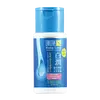
This brightening moisturizer is formulated around Arbutin and Magnesium Ascorbyl Phosphate to fade the look of dark spots and brighten dull-looking skin.
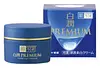
This brightening moisturizer is formulated around Tranexamic Acid and Tocopherol to fade the look of dark spots and brighten dull-looking skin.

What's inside
What's inside
 Key Ingredients
Benefits
Concerns
Ingredients Side-by-side
Water
Skin ConditioningDipropylene Glycol
HumectantTriethylhexanoin
MaskingIsopropyl Palmitate
Emollient




Arbutin
Antioxidant




Glycerin
Humectant

Glyceryl Stearate Se
Emulsifying
Pentylene Glycol
Skin Conditioning
PEG-20 Sorbitan Isostearate
Emulsifying
Cetyl Alcohol
Emollient

Limnanthes Alba Seed Oil
Skin Conditioning
Xanthan Gum
EmulsifyingHydroxyethyl Ethylcellulose
EmulsifyingMethylparaben
Preservative


Disodium EDTA
ChelatingCarbomer
Emulsion StabilisingTriethanolamine
BufferingSodium Hyaluronate
Humectant


Magnesium Ascorbyl Phosphate
Antioxidant


Water, Dipropylene Glycol, Triethylhexanoin, Isopropyl Palmitate, Arbutin, Glycerin, Glyceryl Stearate Se, Pentylene Glycol, PEG-20 Sorbitan Isostearate, Cetyl Alcohol, Limnanthes Alba Seed Oil, Xanthan Gum, Hydroxyethyl Ethylcellulose, Methylparaben, Disodium EDTA, Carbomer, Triethanolamine, Sodium Hyaluronate, Magnesium Ascorbyl Phosphate
Tranexamic Acid
Astringent

Cetyl Phosphate
EmulsifyingTocopherol
Antioxidant
Sodium Hyaluronate
Humectant
Hydrolyzed Hyaluronic Acid
Humectant
Squalane
Emollient
Butyrospermum Parkii Butter
Skin Conditioning
Dipropylene Glycol
HumectantDiglycerin
Humectant
Limnanthes Alba Seed Oil
Skin Conditioning
Dimethicone
Emollient
Glyceryl Stearate
Emollient
PEG-20 Sorbitan Isostearate
Emulsifying
Carbomer
Emulsion StabilisingEDTA
ChelatingHydroxyethylcellulose
Emulsion StabilisingSodium Metabisulfite
Antioxidant
Behenyl Alcohol
Emollient
Stearyl Alcohol
Emollient
Phenoxyethanol
Preservative
Methylparaben
Preservative
Tranexamic Acid, Cetyl Phosphate, Tocopherol, Sodium Hyaluronate, Hydrolyzed Hyaluronic Acid, Squalane, Butyrospermum Parkii Butter, Dipropylene Glycol, Diglycerin, Limnanthes Alba Seed Oil, Dimethicone, Glyceryl Stearate, PEG-20 Sorbitan Isostearate, Carbomer, EDTA, Hydroxyethylcellulose, Sodium Metabisulfite, Behenyl Alcohol, Stearyl Alcohol, Phenoxyethanol, Methylparaben
Reviews
Ingredients Explained
These ingredients are found in both products.
Ingredients higher up in an ingredient list are typically present in a larger amount.
Carbomer is a synthetic thickening and gelling agent. It's basically the ingredient that gives a lot of serums, gels, creams, and sunscreens their smooth, non-sticky texture.
Although legally permitted at very high levels, carbomers are normally used at concentrations below 1%.
It also needs to be neutralized to actually thicken, and because it is a large molecule, it doesn't really penetrate the skin barrier.
Allergy-wise, the risk is very low. Clinical studies show carbomers have low potential for skin irritation/sensitization even at concentrations up to 100%.
A 2024 UK study patch-tested 1,302 patients and found true allergy to the parent group of carbomer to be rare with no confirmed relevant reactions.
Learn more about CarbomerDipropylene Glycol is a synthetically created humectant, stabilizer, and solvent.
This ingredient helps:
Dipropylene glycol is technically an alcohol, but it belongs to the glycol family (often considered part of the ‘good’ alcohols). This means it is hydrating and gentle on skin unlike drying solvent alcohols like denatured alcohol.
As a masking agent, Dipropylene Glycol can be used to cover the smell of other ingredients. However, it does not have a scent.
Studies show Dipropylene Glycol is considered safe to use in skincare.
Learn more about Dipropylene GlycolLimnanthes Alba Seed Oil is from the seeds of the meadowfoam plant. It is a skin conditioning agent and emollient that sits on top of skin to soften and hydrate it.
Over 98% of the oil is made up of long-chain fatty acids, mostly aachidic acid (61%), docosenoic acid (~16%), and docosadienoic acid (~18%).
This combination is not really found in any other plant oil and is the reason this is one of the most stable botanical oils available.
Some studies show it to be more stable than jojoba oil, helps a product resist going rancid, and can help extend the shelf life of a formula.
It also naturally contains vitamin E and phytosterols that give it a mild antioxidant benefit.
This ingredient is typically used from around 1% to fairly high levels since it's gentle; it's well-tolerated and low on the irritation scale.
Learn more about Limnanthes Alba Seed OilMethylparaben is a synthetic preservative and one of the most widely used in the world. It has a simple, but important job: prevent your products from going bad by stopping bacteria, yeast, and mold from growing.
Typical use levels are low, often 0.1-0.3%.
This is also one of the most heavily studied preservatives out there and major regulatory bodies have repeatedly given it the green light.
In 2023, the EU's Scientific Committee on Consumer Safety (SCCS) confirmed that this ingredient is safe up to 0.4% on its own, of up to 0.8% when mixed with other paraben esters.
Here's the science behind the noise behind parabens/hormones as well:
Methylparaben shows very weak estrogen-like activity in vitro tests (more than 1,000x weaker than your body's own estradiol). In vivo (live-organism) studies don't support a meaningful endocrine-disrupting effect either.
You get a stronger estrogenic effect from eating tofu, actually.
It's also a low sensitizer and allergic reactions are uncommon; they usually happen on damage or broken skin.
There is a caveat: France has proposed to formally re-examine its endocrine classification in 2025 so the regulatory conversation isn't fully closed as of yet.
But as it stands today, this ingredient is considered safe at permitted levels.
Learn more about MethylparabenPEG-20 Sorbitan Isostearate isn't fungal acne safe.
Sodium Hyaluronate is the salt form of hyaluronic acid. It is a long sugar chain that is naturally found in your skin, joints, and connective tissue that maintains hydration and elasticity.
In skincare, it works as a humectant. It pulls water from the environment and deeper layers of skin and binds it to the surface.
Interestingly, the size of the molecule affects its behavior:
Some clinical evidence links low molecular weight versions to improved wrinkle depth, elasticity, anti-inflammatory effects, and barrier repair.
Many serums use a blend of both weights so you can get surface hydration plus longer-lasting and deeper effects.
You'll typically see concentrations between 0.1-2% for this ingredient.
Learn more about Sodium Hyaluronate

