This calming moisturizer is formulated around Aloe Barbadensis Leaf Extract and Salix Alba Bark Extract to calm redness and balance excess oil.
This calming moisturizer is formulated around Aloe Barbadensis Leaf Juice and Propolis Extract to calm redness and hydrate skin.

What's inside
What's inside
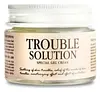 Key Ingredients
No key ingredients
Benefits
Concerns
No concerns
Ingredients Side-by-side
Chamaecyparis Obtusa Water
MaskingAloe Barbadensis Leaf Extract
Emollient


Butylene Glycol
Humectant
Glycerin
Humectant
Water
Skin ConditioningAcrylates/C10-30 Alkyl Acrylate Crosspolymer
Emulsion StabilisingTromethamine
BufferingBetaine
Humectant
1,2-Hexanediol
Skin Conditioning
Polyglyceryl-4 Caprate
EmulsifyingCaprylyl Glycol
Emollient
Dryopteris Crassirhizoma Extract
Skin ConditioningLactobacillus/Soybean Ferment Extract
Skin ConditioningSalix Alba Bark Extract
Astringent

Origanum Vulgare Leaf Extract
Skin ConditioningPortulaca Oleracea Extract
Skin Conditioning
Chamaecyparis Obtusa Leaf Extract
Skin ConditioningScutellaria Baicalensis Root Extract
Astringent
Cinnamomum Cassia Bark Extract
Masking
Beta-Glucan
Skin Conditioning
Allantoin
Skin Conditioning
Ethylhexylglycerin
Skin ConditioningDipotassium Glycyrrhizate
Humectant
Pentylene Glycol
Skin Conditioning
Aspalathus Linearis Extract
Skin ConditioningGlycyrrhiza Glabra Root Extract
Bleaching
Commiphora Abyssinica Resin Extract
Skin ConditioningPerilla Frutescens Leaf Extract
MaskingYucca Schidigera Root Extract
Skin ConditioningParfum
Masking



Hexyl Cinnamal
Perfuming
Chamaecyparis Obtusa Water, Aloe Barbadensis Leaf Extract, Butylene Glycol, Glycerin, Water, Acrylates/C10-30 Alkyl Acrylate Crosspolymer, Tromethamine, Betaine, 1,2-Hexanediol, Polyglyceryl-4 Caprate, Caprylyl Glycol, Dryopteris Crassirhizoma Extract, Lactobacillus/Soybean Ferment Extract, Salix Alba Bark Extract, Origanum Vulgare Leaf Extract, Portulaca Oleracea Extract, Chamaecyparis Obtusa Leaf Extract, Scutellaria Baicalensis Root Extract, Cinnamomum Cassia Bark Extract, Beta-Glucan, Allantoin, Ethylhexylglycerin, Dipotassium Glycyrrhizate, Pentylene Glycol, Aspalathus Linearis Extract, Glycyrrhiza Glabra Root Extract, Commiphora Abyssinica Resin Extract, Perilla Frutescens Leaf Extract, Yucca Schidigera Root Extract, Parfum, Hexyl Cinnamal
Aloe Barbadensis Leaf Juice 80%
Skin Conditioning
Propolis Extract
Skin Conditioning

Pentylene Glycol
Skin Conditioning
Butylene Glycol
Humectant
1,2-Hexanediol
Skin Conditioning
Glycerin
Humectant
Aloe Barbadensis Leaf Extract
Emollient
Betaine
Humectant
Water
Skin ConditioningPortulaca Oleracea Extract
Skin Conditioning
Allantoin
Skin Conditioning
Houttuynia Cordata Extract
Skin Conditioning
Psidium Guajava Fruit Extract
AstringentSchisandra Chinensis Fruit Extract
Skin Conditioning
Perilla Ocymoides Leaf Extract
TonicAcorus Calamus Root Extract
Perfuming
Citrus Paradisi Fruit Extract
Skin ConditioningCaprylyl Glycol
Emollient
Acrylates/C10-30 Alkyl Acrylate Crosspolymer
Emulsion StabilisingArginine
Masking
Aloe Barbadensis Leaf Juice 80%, Propolis Extract, Pentylene Glycol, Butylene Glycol, 1,2-Hexanediol, Glycerin, Aloe Barbadensis Leaf Extract, Betaine, Water, Portulaca Oleracea Extract, Allantoin, Houttuynia Cordata Extract, Psidium Guajava Fruit Extract, Schisandra Chinensis Fruit Extract, Perilla Ocymoides Leaf Extract, Acorus Calamus Root Extract, Citrus Paradisi Fruit Extract, Caprylyl Glycol, Acrylates/C10-30 Alkyl Acrylate Crosspolymer, Arginine
Reviews
Ingredients Explained
These ingredients are found in both products.
Ingredients higher up in an ingredient list are typically present in a larger amount.
1,2-Hexanediol is a synthetic liquid and another multi-functional powerhouse.
It is a:
- Humectant, drawing moisture into the skin
- Emollient, helping to soften skin
- Solvent, dispersing and stabilizing formulas
- Preservative booster, enhancing the antimicrobial activity of other preservatives
Acrylates/C10-30 Alkyl Acrylate Crosspolymer is a synthetic polymer. It is used to thicken, emulsify, and improve the texture of products.
As an emulsifier, it helps stabilize oil-in-water emulsions to give products an elegant feel when applied.
It can also form a thin protective film on skin. One study found that a formula using this polymer helped slow down how quickly other ingredients (like DEET) were absorbed through skin.
A 2024 study of over 1,300 patients confirmed that sensitization to this ingredient is rare. It is also non-mutagenic and has a clean track record.
Learn more about Acrylates/C10-30 Alkyl Acrylate CrosspolymerAllantoin is a soothing ingredient known for its protective and moisturizing properties; it's basically a quiet workhorse ingredient you can find in a huge range of cosmetics.
Though it can be derived from the comfrey plant, allantoin is produced synthetically for cosmetic products to ensure purity.
Research shows it can encourage your skin cells to turn over and renew by stimulating keratinocyte and fibroblast proliferation.
It also has mild keratolytic properties to help loosen and shed dead skin cells without being harsh.
Studies also suggest allantoin can help calm inflammation by dialing down some of the chemical signals your skin sends out when it is irritated.
This ingredient is typically used in the 0.1-0.5% range, and the FDA recognizes it as a skin protectant in OTC products up to 2%.
Overall, allantoin is a wonderful addition to most routines; it is stable across a wide pH range (~4-8), works well with other ingredients, and is considered non-sensitizing/non-irritating.
Fun fact: Allantoin is naturally occurring in comfrey root, beets, chamomile, and wheat sprouts. Our bodies even produce it as a byproduct of uric acid metabolism.
Learn more about AllantoinAloe Barbadensis Leaf Extract is a botanical extract pulled from the leaves of aloe vera and one of the most studied plant ingredients in cosmetics.
The inner leaf gel it comes from is mostly water (~99-99.5%) and the remaining fraction is made up of pretty good stuff: polysaccharides, vitamins, phenolics, and enzymes.
Its headline job is hydration.
The star polysaccharide in aloe, acemannan, is a humectant that retains moisture and helps reduce trans-epidermal water loss.
Aloe also has real soothing credentials; it contains anti-inflammatory compounds like bradykinase and C-glucosyl chromone that help calm irritation and redness.
On the repair side, lab work shows that acemannan wakes up your skin's repair cells (fibroblasts), prompting them to multiply and speed up healing.
There's some human data for cosmetic benefit too: a cream containing 10% Aloe Barbadensis leaf extract improved skin hydration and elasticity in a real-use study.
Safety-wise, this ingredient is well-regarded with just one rare downside; there have been some case reports of acute eczema, contact urticaria, and dermatitis in people who applied aloe-derived ingredients topically. Those with a known aloe or Liliaceae sensitivity should patch test.
Typical use levels range widely, from under 1% up to 90%+ depending on the format and the effect you are after.
Learn more about Aloe Barbadensis Leaf ExtractBetaine is a humectant. Like hyaluronic acid, it helps attract and retain moisture in the skin. It’s known for being gentle and for helping the skin maintain balanced hydration.
Betaine is mainly used to improve hydration and support calmer skin. It helps skin cells regulate water balance because it functions as an osmolyte.
Some studies suggest betaine may support making skin tone more even.
Fun fact: Betaine naturally exists in the skin and the body. In cosmetic products, it can be either plant-derived (most commonly from sugar beets) or synthetically produced for consistency and stability.
Betaine is also known as trimethylglycine.
Learn more about BetaineButylene Glycol (or BG) is used within cosmetic products for a few different reasons:
Overall, Butylene Glycol is a safe and well-rounded ingredient that works well with other ingredients.
Though this ingredient works well with most skin types, some people with sensitive skin may experience a reaction such as allergic rashes, closed comedones, or itchiness.
Learn more about Butylene GlycolCaprylyl Glycol is a humectant, skin conditioner, emollient, and preservative booster derived from either caprylic acid or synthetically created.
Typical use levels vary from 0.3-1% as a preservative booster and go up to 2% to condition skin.
Because it is not a free-fatty acid, this ingredient is fungal acne safe (there's nothing for Malassezia to feed on).
Learn more about Caprylyl GlycolGlycerin (or glycerol) is a compound naturally found in your skin. It's a powerhouse humectant that pulls water into the stratum corneum.
Topically, glycerin does several things at once:
Your skin makes glycerin on its own (mostly from sebaceous oil breakdown) and shuttles it to your outermost layer of skin, or your epidermis, via aquaporin-3.
Aquaporin-3 is a transporter that is essential for normal skin hydration, elasticity, and repair. Interestingly, mice lacking in AQP3 have dry and less elastic skin that can be fully corrected with glycerin.
This ingredient is non-irritating, plays well with almost every ingredient, and works across all skin types. Typical use is anywhere between 3-10% but can go up to 79% in some leave-on products.
Just know very high concentrations (>40%) can feel tacky in low humidity.
Glycerin is the name for this ingredient in American English. British English uses Glycerol/Glycerine.
Learn more about GlycerinPentylene Glycol (1,2-pentanediol) is a multitasking little diol with three main roles in a formula:
Research on alkanediols (the family pentylene glycol belongs to) show they work by disrupting microbial cell membranes. This disruption helps the primary preservative system in a product work more effectively at lower doses.
On the safety side, the Cosmetic Ingredient Review Expert Panel has concluded this ingredient to be safe as used in current cosmetic practices + concentrations.
Typical use levels in a formula run about 1-5%.
Learn more about Pentylene GlycolThis extract comes from Purslane, a succulent. It has anti-inflammatory, antioxidant, and hydrating properties.
Purslane is very nutritious. It contains omega-3 fatty acids, NMFs, many vitamins, minerals, and antioxidants. The vitamins found in purslane include: Vitamin C, Vitamin A, and Vitamin E.
Fun fact: Purslane is a succulent with an extensive habitat. It is used in traditional Korean medicine to treat irritated skin.
Nowadays, purslane is becoming a superfood due to its highly nutritious content.
Learn more about Portulaca Oleracea ExtractWater. It's the most common cosmetic ingredient of all. You'll usually see it at the top of ingredient lists, meaning that it makes up the largest part of the product.
So why is it so popular? Water most often acts as a solvent - this means that it helps dissolve other ingredients into the formulation.
You'll also recognize water as that liquid we all need to stay alive. If you see this, drink a glass of water. Remember to stay hydrated!
Learn more about Water

