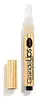
This anti-aging lip moisturizer is formulated around Butyrospermum Parkii Butter and Palmitoyl Tripeptide-1 to soften the look of wrinkles and hydrate lips.

What's inside
What's inside
 Key Ingredients
No key ingredients
Benefits
Concerns
Ingredients Side-by-side
Octyldodecanol
Emollient
Polybutene
Silica Dimethyl Silylate
EmollientPentaerythrityl Tetraisostearate
Emollient

Ethylhexyl Palmitate
Emollient


Aroma


Cetearyl Ethylhexanoate
Emollient
Quaternium-90 Bentonite
Menthoxypropanediol
Masking
Caprylyl Glycol
Emollient
1,2-Hexanediol
Skin Conditioning
Methyl Nicotinate
SoothingPropylene Carbonate
SolventButylene Glycol
Humectant
Sorbitan Isostearate
Emulsifying
Saccharin
MaskingSodium Chondroitin Sulfate
Skin ConditioningCaffeine
Skin Conditioning

Niacin
SmoothingPortulaca Pilosa Extract
Skin ConditioningOctyldodecanol, Polybutene, Silica Dimethyl Silylate, Pentaerythrityl Tetraisostearate, Ethylhexyl Palmitate, Aroma, Cetearyl Ethylhexanoate, Quaternium-90 Bentonite, Menthoxypropanediol, Caprylyl Glycol, 1,2-Hexanediol, Methyl Nicotinate, Propylene Carbonate, Butylene Glycol, Sorbitan Isostearate, Saccharin, Sodium Chondroitin Sulfate, Caffeine, Niacin, Portulaca Pilosa Extract
Hydrogenated Polyisobutene
EmollientDiisostearyl Malate
EmollientButyrospermum Parkii Butter
Skin Conditioning
Polybutene
Microcrystalline Wax
Emulsion StabilisingSynthetic Beeswax
Emulsion Stabilising
Synthetic Wax
Abrasive
Octyldodecanol
Emollient
Hydrogenated Poly(C6-14 Olefin)
EmollientPolyglyceryl-2 Triisostearate
Emulsifying
Dimer Dilinoleyl Dimer Dilinoleate
EmollientGlyceryl Behenate/Eicosadioate
Emollient
Triethyl Citrate
Masking
Tocopherol
Antioxidant




Tocopheryl Acetate
Antioxidant
Tetrahexyldecyl Ascorbate
Antioxidant



Palmitoyl Tripeptide-1
Skin Conditioning
Orbignya Oleifera Seed Oil
Emollient
Theobroma Grandiflorum Seed Butter
Skin Conditioning
Lactic Acid
Buffering

Tribehenin
Emollient
Stevioside
MaskingEthylhexyl Palmitate
Emollient
Sorbitan Isostearate
Emulsifying
Synthetic Fluorphlogopite
Disteardimonium Hectorite
StabilisingO-Cymen-5-Ol
Antimicrobial
Hydrogenated Polyisobutene, Diisostearyl Malate, Butyrospermum Parkii Butter, Polybutene, Microcrystalline Wax, Synthetic Beeswax, Synthetic Wax, Octyldodecanol, Hydrogenated Poly(C6-14 Olefin), Polyglyceryl-2 Triisostearate, Dimer Dilinoleyl Dimer Dilinoleate, Glyceryl Behenate/Eicosadioate, Triethyl Citrate, Tocopherol, Tocopheryl Acetate, Tetrahexyldecyl Ascorbate, Palmitoyl Tripeptide-1, Orbignya Oleifera Seed Oil, Theobroma Grandiflorum Seed Butter, Lactic Acid, Tribehenin, Stevioside, Ethylhexyl Palmitate, Sorbitan Isostearate, Synthetic Fluorphlogopite, Disteardimonium Hectorite, O-Cymen-5-Ol
Reviews
Ingredients Explained
These ingredients are found in both products.
Ingredients higher up in an ingredient list are typically present in a larger amount.
Ethylhexyl Palmitate, also known as octyl palmitate, is created from 2-ethylhexyl alcohol and palmitic acid.
In cosmetics, it plays many roles:
One thing worth noting: a controlled study found this ingredient applied under occlusion to acne-prone subjects increased microcomedones. Just keep in mind this was under occlusive conditions and don't reflect how most products are used day-to-day.
For most people, this is a well-tolerated and lightweight ingredient.
This ingredient may not be fungal acne safe because it is an ester of palmitic acid, a C16 fatty acid that falls within the C11-24 range that Malassezia can metabolize.
You'll see this one rated 4 comedogenic all over the internet. That number isn't from a single study, and the actual research is more interesting.
The original rating comes from 1980s rabbit ear tests (which are a shaky basis for anything). But Ethylhexyl Palmitate is one of the few ingredients with real human data behind it. A 2021 controlled trial found this ingredient increased microcomedones by an average of 365% over four weeks.
Just know that test used the pure ingredient under an occlusive pad on back skin; most products use it at much lower levels alongside other ingredients and plenty of people use those with no issue.
Learn more about Ethylhexyl PalmitateOctyldodecanol is a fatty alcohol sourced from plant oils like coconut or palm (or made synthetically).
It is:
You'll likely see this in many BHA products because this is the go-to solvent for salicylic acid.
This ingredient is typically used at levels between 2-20%.
Regarding fungal acne:
In 2019, this ingredient was tested against multiple Malassezia species (the yeast that causes fungal acne) and showed no growth.
Polybutene is used to help control the viscosity of a product. This just means it helps adjusts the texture.
It is a polymer and does not get absorbed into the skin due to its large size.
Studies found this ingredient did not irritate skin in concentrations below 15%.
Learn more about PolybuteneSorbitan Isostearate is an emulsifer. It is created from isostearic acid and sorbitol.
As an emulsifier, it keeps the water and oil ingredients from separating. This keeps formulas stable and smooth.
In a 24 hour occlusive patch test on 56 subjects, 10% sorbitan isostearate was completely non-irritating. Most formulas use less than 10%.
Because it's a fatty acid ester, it may not be fungal acne safe since the Malassezia yeast can utilize it as a nutrient source.
Learn more about Sorbitan Isostearate

