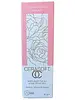
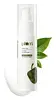
Grace Derma Healthcare Cerasoft OC Moisturizer For Oily Skin Versus Plum Goodness Green Tea Oil-Free Moisturizer
This oil-control moisturizer is formulated around Salicylic Acid and Zinc PCA to balance excess oil and clear breakouts.
This oil-control moisturizer is formulated around Niacinamide and Camellia Sinensis Leaf Extract to balance excess oil and calm redness.

What's inside
What's inside
 Key Ingredients
Benefits
Concerns
Ingredients Side-by-side
Water
Skin ConditioningCaprylic/Capric Triglyceride
Masking


Lecithin
Emollient
Saccharide Isomerate
Humectant
Citric Acid
Buffering


Sodium Citrate
BufferingSalicylic Acid
Masking








Ascorbic Acid
Antioxidant




Cinnamomum Zeylanicum Bark Extract
Antimicrobial
Capryloyl Glycine
CleansingSalix Alba Bark Extract
Astringent
Zinc PCA
Humectant
Curcuma Longa Root Extract
Antioxidant
Sodium Acrylates Copolymer
Sodium Lactate
Buffering
Zingiber Officinale Extract
Skin ConditioningEthylhexylglycerin
Skin ConditioningPhenoxyethanol
Preservative
Sodium Gluconate
ChelatingMelaleuca Alternifolia Leaf Oil
Antioxidant

Water, Caprylic/Capric Triglyceride, Lecithin, Saccharide Isomerate, Citric Acid, Sodium Citrate, Salicylic Acid, Ascorbic Acid, Cinnamomum Zeylanicum Bark Extract, Capryloyl Glycine, Salix Alba Bark Extract, Zinc PCA, Curcuma Longa Root Extract, Sodium Acrylates Copolymer, Sodium Lactate, Zingiber Officinale Extract, Ethylhexylglycerin, Phenoxyethanol, Sodium Gluconate, Melaleuca Alternifolia Leaf Oil
Water
Skin ConditioningAloe Barbadensis Leaf Juice
Skin Conditioning
Betaine
Humectant
Isodecyl Neopentanoate
EmollientNiacinamide
Smoothing
Salix Alba Bark Extract
Astringent
Camellia Sinensis Leaf Extract
Antimicrobial
Terminalia Ferdinandiana Fruit Extract
Antioxidant
Sodium Hyaluronate
Humectant
Benzyl Alcohol
Perfuming


Hydroxyacetophenone
Antioxidant
Caprylyl Glycol
Emollient
Glycerin
Humectant
Sodium Polyacryloyldimethyl Taurate
Emulsion StabilisingSqualane
Emollient
Cyclodextrin
AbsorbentGlyceryl Stearate
Emollient
PEG-100 Stearate
Surfactant
Sorbitol
Humectant
Sodium Gluconate
ChelatingWater, Aloe Barbadensis Leaf Juice, Betaine, Isodecyl Neopentanoate, Niacinamide, Salix Alba Bark Extract, Camellia Sinensis Leaf Extract, Terminalia Ferdinandiana Fruit Extract, Sodium Hyaluronate, Benzyl Alcohol, Hydroxyacetophenone, Caprylyl Glycol, Glycerin, Sodium Polyacryloyldimethyl Taurate, Squalane, Cyclodextrin, Glyceryl Stearate, PEG-100 Stearate, Sorbitol, Sodium Gluconate
Reviews
Ingredients Explained
These ingredients are found in both products.
Ingredients higher up in an ingredient list are typically present in a larger amount.
Salix Alba Bark Extract comes from the bark of the white willow tree. The official CosIng listing states this ingredient to have astringent, skin conditioning, soothing, and tonic properties.
Its star compound is salicin, a natural glucoside that is chemically related to salicylic acid. That's why you'll often see it marketed as a "natural BHA alternative" but that's a bit of a stretch.
Your skin can't convert salicin to salicylic acid because it needs specific enzymes that aren't present on the skin's surface. It won't behave like true salicylic acid, especially at the concentrations used in cosmetics.
However, this ingredient has its own perks. It contains flavonoids, polyphenols, and tannins that give it proven antioxidant and soothing properties.
An 8-week clinical study found a cream with 2% of this extract improved skin microcirculation, elasticity, and dark circles. This is most likely due to its role in increasing hyaluronic acid synthesis in fibroblasts and improved vascular integrity.
Another study found a topical serum with 0.5% salicin showed improvements in visible signs of aging, hyperpigmentation, and texture.
Just be careful if you have a known aspirin/salicylate allergy and be sure to consult with a medical professional about using this ingredient if you do.
Fun fact: Willow Bark extract has been used for thousands of years and ancient civilizations used white willow to help treat pain and fevers.
Learn more about Salix Alba Bark ExtractSodium Gluconate is the sodium salt of gluconic acid. In skincare, its main job is as a chelator.
Chelators grab onto stray metal ions like iron and copper that sneak in through water, raw materials, or manufacturing equipment. This stops them from triggering reactions that cause oils to go rancid, formulas to change color, and actives like vitamin C to fall apart.
This ingredient is often chosen as a biodegradable, gentler-sounding alternative to EDTA. It also pulls double duty as a mild humectant and pH buffer.
Typical use levels sit around 0.1-1% and supplier documents list up to 10% as an acceptable ceiling. Industry data found this ingredient family is mostly used well below 1% in leave on products.
Allergy risk is very low; animal testing has found it to be non-irritating to skin and eyes, mutagenicity assays came back negative, and there are no published reports of allergic contact dermatitis to it.
Learn more about Sodium GluconateWater. It's the most common cosmetic ingredient of all. You'll usually see it at the top of ingredient lists, meaning that it makes up the largest part of the product.
So why is it so popular? Water most often acts as a solvent - this means that it helps dissolve other ingredients into the formulation.
You'll also recognize water as that liquid we all need to stay alive. If you see this, drink a glass of water. Remember to stay hydrated!
Learn more about Water

